Wheat futures are on track for their longest weekly losing streak in nearly three decades as easing supply fears and fading Black Sea disruption unwind the war premium that drove grain prices sharply higher earlier this year.
Wheat Futures Head for Eighth Straight Weekly Loss
The most-active Chicago Board of Trade wheat contract fell 4.7% for the week and, even after a 1.1% bounce on Friday, is headed for an eighth straight weekly decline. If confirmed, that would be the longest run of losses since 1997 and a sharp reversal from September, when wheat hit its highest level since 2023 on fears that attacks in the Black Sea would choke exports from Ukraine and Russia.
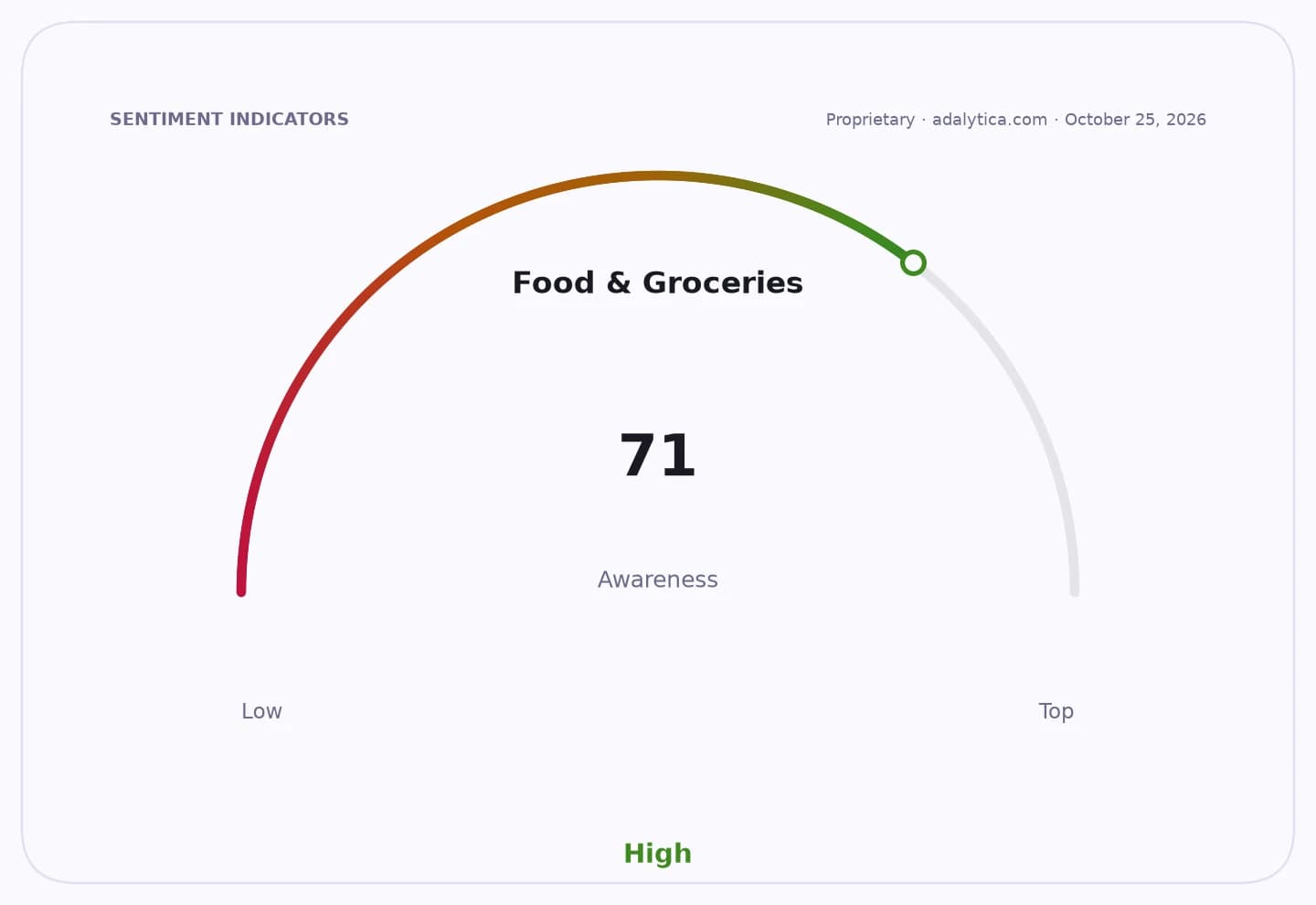
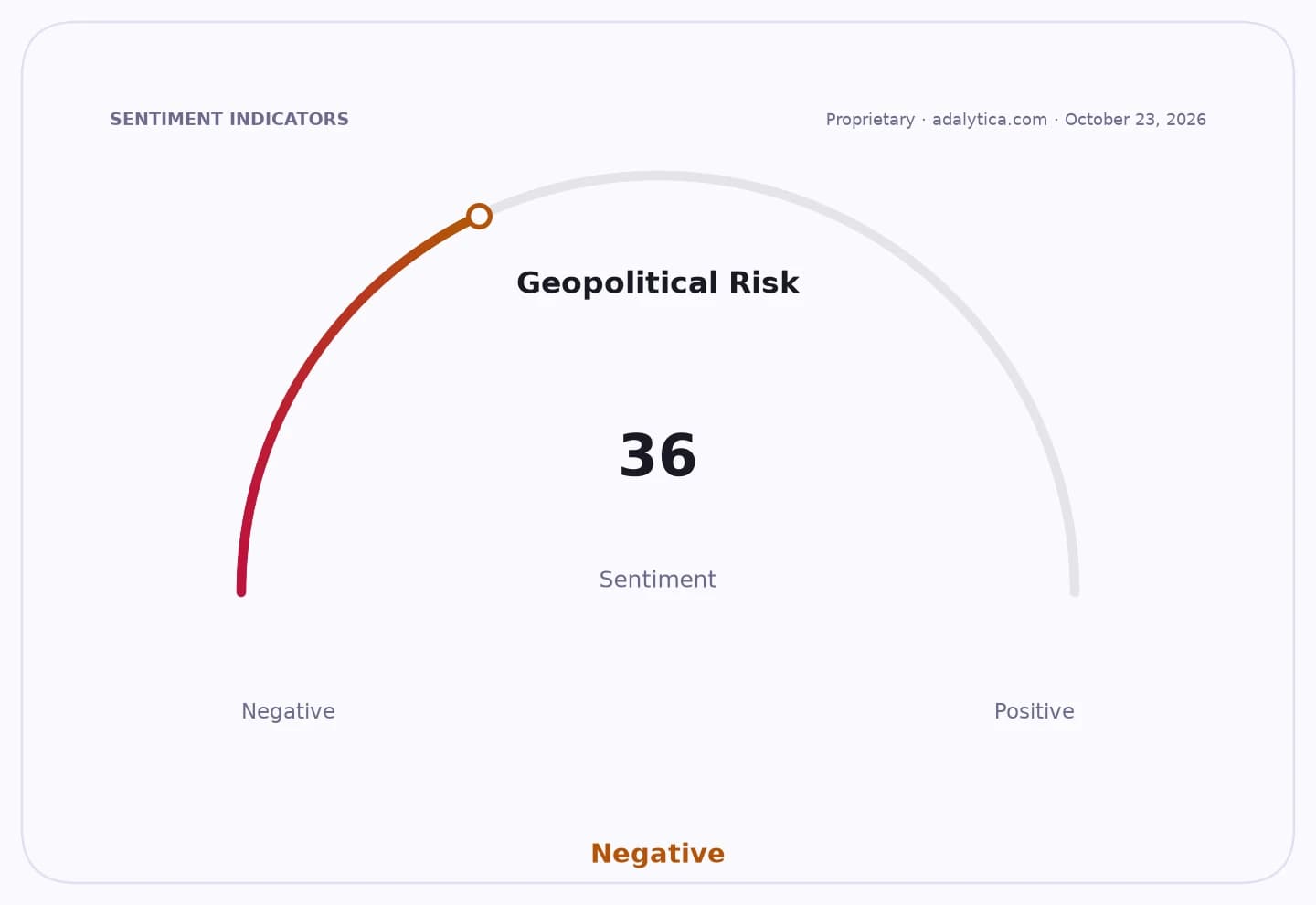
Sentiment Indicators
The retreat matters because wheat remains one of the world’s most politically sensitive food commodities. Lower prices ease pressure on food inflation and reduce the urgency for importers that had scrambled for alternative supplies when shipping disruptions in the Black Sea tightened global availability.
That risk premium is now fading as the Trump administration pushes peace talks between Moscow and Kyiv, while more Russian wheat is reaching international buyers through alternative routes, including Baltic Sea ports. At the same time, global agencies say world wheat production is set to reach the second-highest level on record, further softening the supply backdrop.
Signs of weaker demand are adding to the pressure. U.S. wheat net sales for the week ended Oct. 15 came in below expectations, reinforcing the bearish tone across the grain market even as production outlooks improve.
For investors, the slide is a warning that geopolitical shocks can reverse quickly in agricultural markets, and that recent strength in grain-linked assets may not be durable if export flows normalize. Chicago wheat is now testing the downside of its range, with momentum gauges from conventional technical indicators showing a deeply oversold market after the latest selloff.
Related agricultural names are also in focus. Lower wheat prices can pressure grain producers and traders’ near-term revenue, even as they ease input costs for food makers and consumers. Archer-Daniels-Midland and Bunge have both cited Black Sea tensions and tighter global supplies as supports for merchandising margins this year, making the latest price decline a potential headwind if it persists.
The next catalyst is the pace of any Black Sea ceasefire talks and whether Russian and Ukrainian export flows keep normalizing. A break in negotiations could quickly restore the war premium, but for now the market is pricing a looser global wheat balance and less immediate supply stress.
| Entity | Gains | Losses |
|---|---|---|
| Food importers | ▲Lower grain costs | ▼Less urgency to hedge |
| Wheat buyers | ▲Softer input prices | ▼Fewer near-term supply scares |
| Grain traders | ▲Volatility opportunities | ▼Smaller war premium |
| ADM, Bunge | ▲Cheaper sourcing | ▼Pressure on crop pricing |