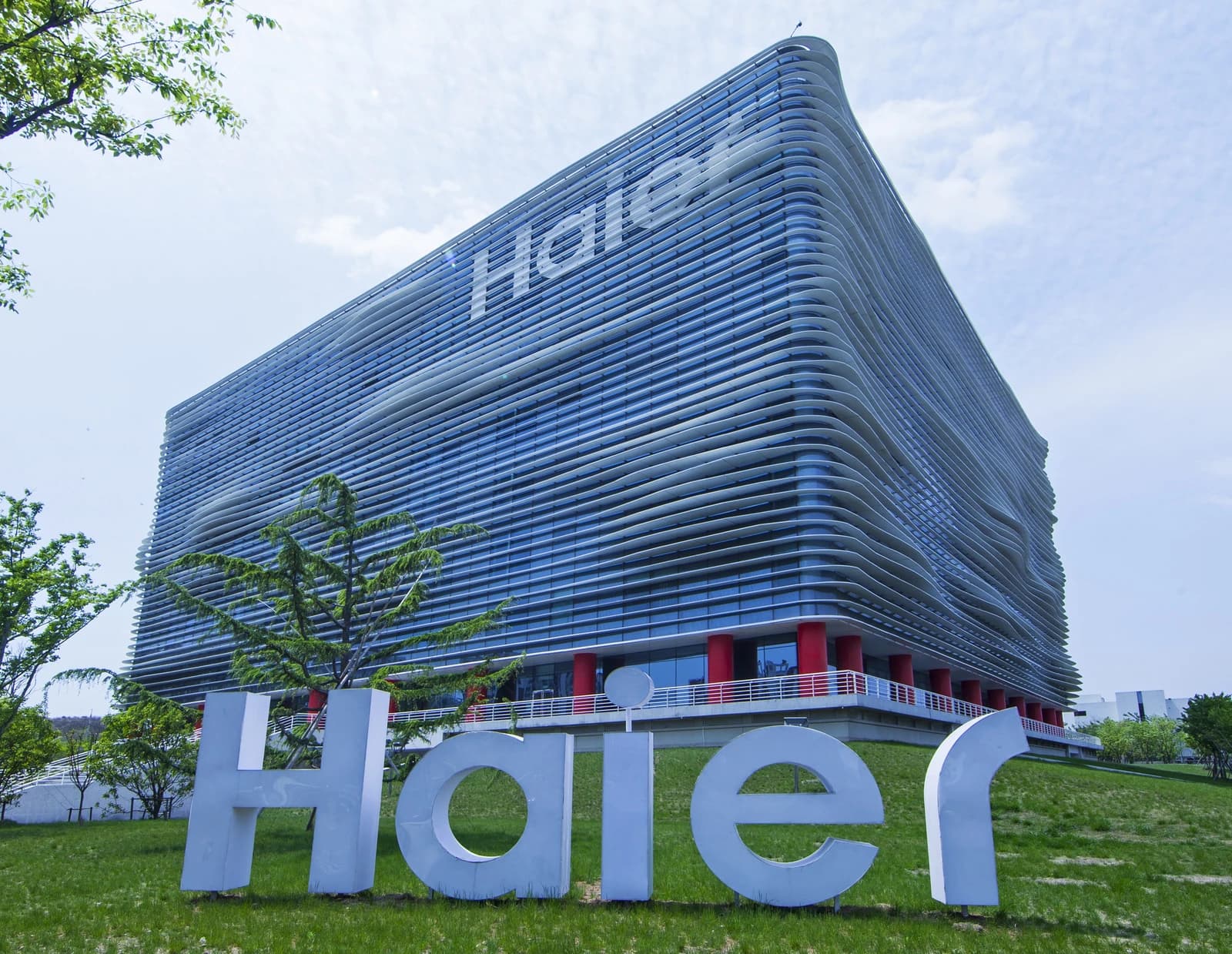
WHA Industrial Development is bringing Haier deeper into Thailand’s Eastern Economic Corridor with a 5.25 billion baht premium washing machine plant in Rayong, a move that strengthens the country’s bid to anchor more high-value appliance manufacturing and export capacity.
WHAID lands Haier washing machine plant in Rayong
The project, Haier’s third investment site with WHAID, will be built on about 136 rai at WHA Eastern Seaboard 5 in Ban Khai and is designed to produce 3 million units a year. Haier plans to ship 60%-70% of output to Europe, Australia, New Zealand and the Middle East, making the factory more than a domestic supply play and positioning it as an export base tied into global appliance demand.
For Thailand, the investment matters because it adds jobs, supplier linkages and fresh evidence that the EEC can still attract large industrial projects despite a cautious global manufacturing backdrop. WHAID said the plant will create more than 1,000 local jobs and open the door for Thai parts makers and suppliers to plug into Haier’s international supply chain.
The deal also reinforces WHAID’s pitch that its industrial estates are ready for smart-factory manufacturing. The site is built with stable power, underground fiber-optic cabling, water and communications infrastructure, and zero-discharge water management, all of which are becoming more important as manufacturers automate production and try to cut installation time and speed products to market.
Haier’s decision to expand again with WHAID is likely to be read by investors as a vote of confidence in the developer’s EEC land bank and utility platform, as well as in Thailand’s BOI and EEC incentives. WHAID said the first phase of WHA ESIE 5 covers 3,400 rai and that a further 3,500 rai is planned for later expansion, giving it room to court more industrial tenants if the appliance maker’s move helps validate the estate.
The project is also part of a broader supply-chain shift in which major appliance brands continue to diversify production outside China and closer to export routes in Southeast Asia. With Haier already operating other production bases in WHA estates, the new washing machine plant extends a relationship that has lasted more than 20 years and underscores how industrial landlords are competing on infrastructure, logistics and ESG readiness as much as on land.
| Entity | Gains | Losses |
|---|---|---|
| WHAID | ▲Higher estate occupancy; stronger credibility | ▼More capital tied to development execution |
| Haier | ▲New export-ready production base; supply-chain diversification | ▼Upfront investment and ramp-up risk |
| Thai suppliers | ▲New orders and international integration | ▼Pressure to meet global quality standards |
| Rival industrial estate operators | ▲— | ▼Less chance to win Haier expansion spend |