Washington-area Metro is proposing an 11.1% fare increase next summer, a move that would lift prices on Metrorail, Metrobus and MetroAccess as the transit system tries to keep pace with inflation and steady its revenue base.
Washington Metro Proposes 11.1% Fare Increase
The increase, outlined in documents released Monday by the D.C.-area transit agency, would raise Metrorail fares from $2.25-$6.75 to $2.50-$7.50, while standard bus fares would climb 25 cents to $2.50. Officials said the higher pricing is aimed at improving customer convenience, supporting long-term revenue sustainability and enhancing operational flexibility.
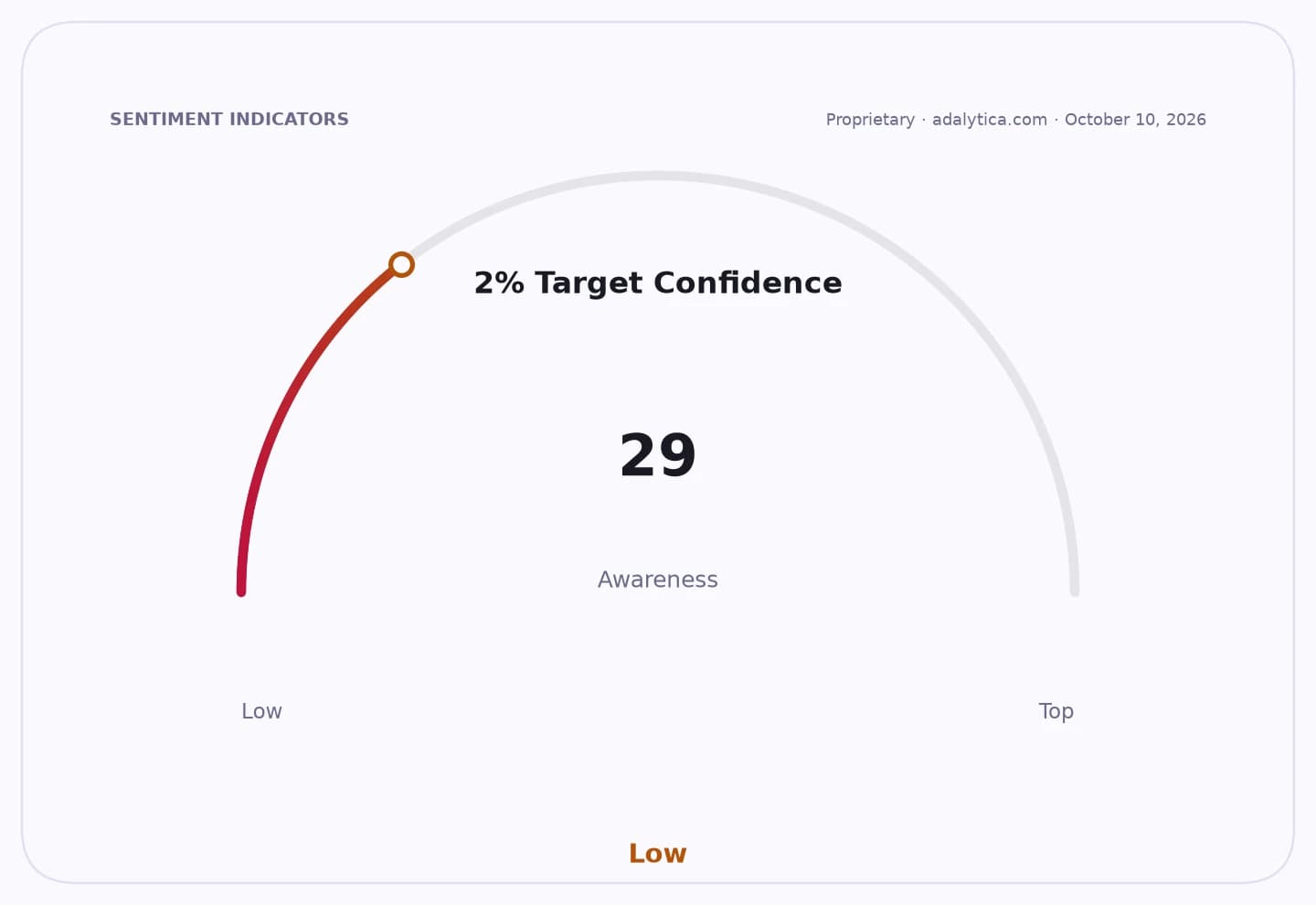
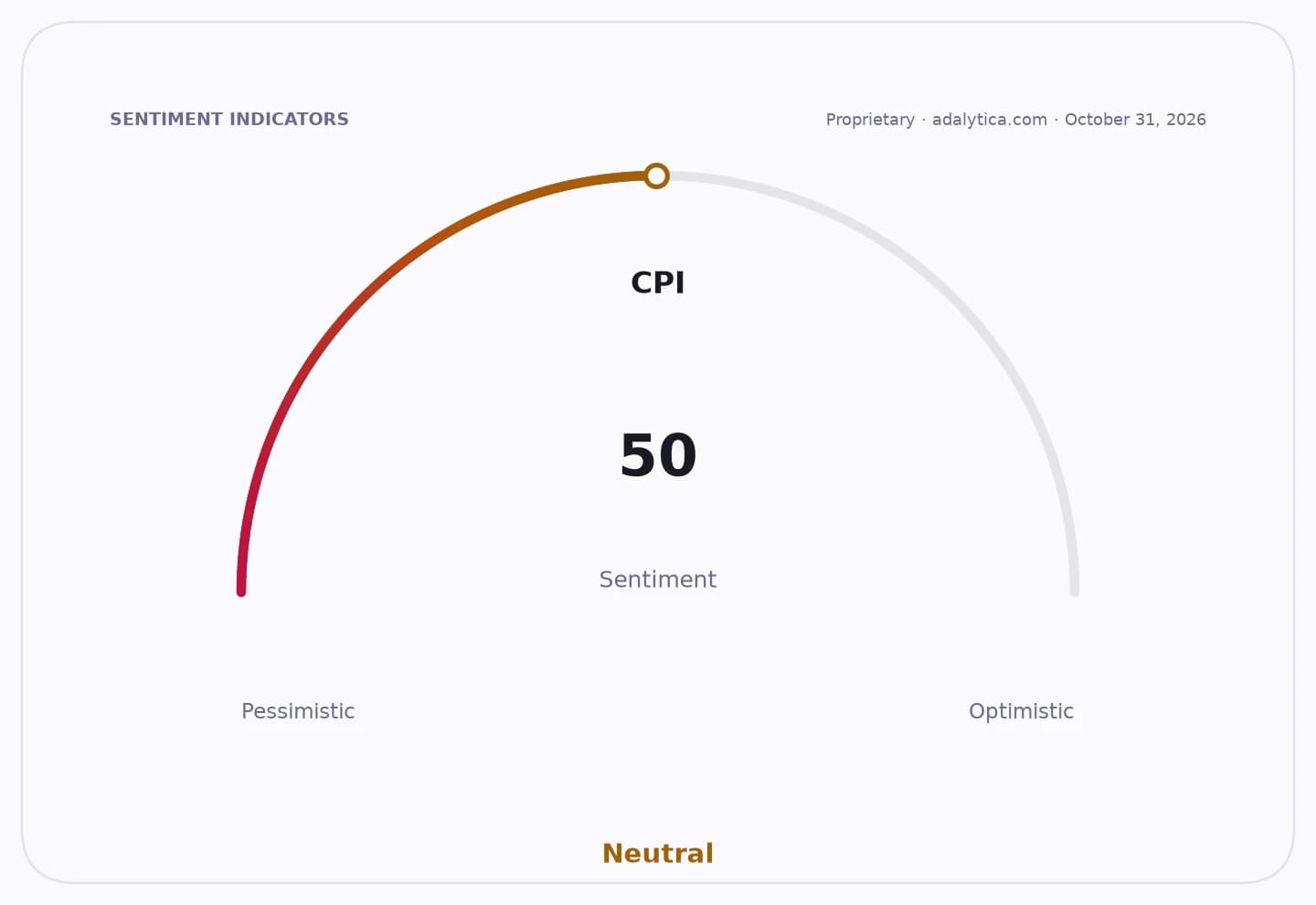
Sentiment Indicators
For riders, the change is another reminder that inflation is still filtering into everyday costs even as some broader price pressures cool. For Metro, which last raised fares by 12.5% in July 2024, the proposal underscores how transit agencies are leaning more heavily on riders as they juggle labor, fuel and maintenance costs with uneven post-pandemic ridership.
The timing matters for local governments and households across Washington, Maryland and Virginia because transit prices are often politically sensitive and economically regressive. Metro also plans to expand free rides for children ages 5 to 18 who live in the three jurisdictions in fiscal 2028, a policy shift it says is meant to support education, recreation and job access.
The fare proposal will be discussed Thursday by the Metro Board’s finance committee, with public feedback still open. If approved, the changes could take effect as soon as July, setting up another test of how much inflation-driven pricing riders are willing to absorb.
| Entity | Gains | Losses |
|---|---|---|
| Washington Metro | ▲Higher fare revenue | ▼Political pushback risk |
| Local governments | ▲More stable transit funding | ▼Pressure over affordability |
| Riders | ▲Future youth fare relief | ▼Higher commuting costs |
| Bus and rail operators | ▲Revenue sustainability | ▼Demand sensitivity |