Walmart is heading into the holiday quarter with an unexpectedly useful tailwind from India: Flipkart’s rescheduled Big Billion Days sale should help the retailer post stronger sales growth in the fourth quarter after the event’s timing shaved 100 basis points off its third-quarter top line.
Walmart Q4 Sales Lift From Flipkart Timing Shift

That matters because Walmart’s international business is no longer just a side story for investors. The company has spent years building a digital and marketplace engine outside the U.S., and Flipkart is one of the clearest proof points. When a shopping festival moves from one quarter to another, it does not change the underlying demand, but it can meaningfully alter how growth looks on the income statement — and in a business as large as Walmart, that can influence sentiment around the pace of expansion.
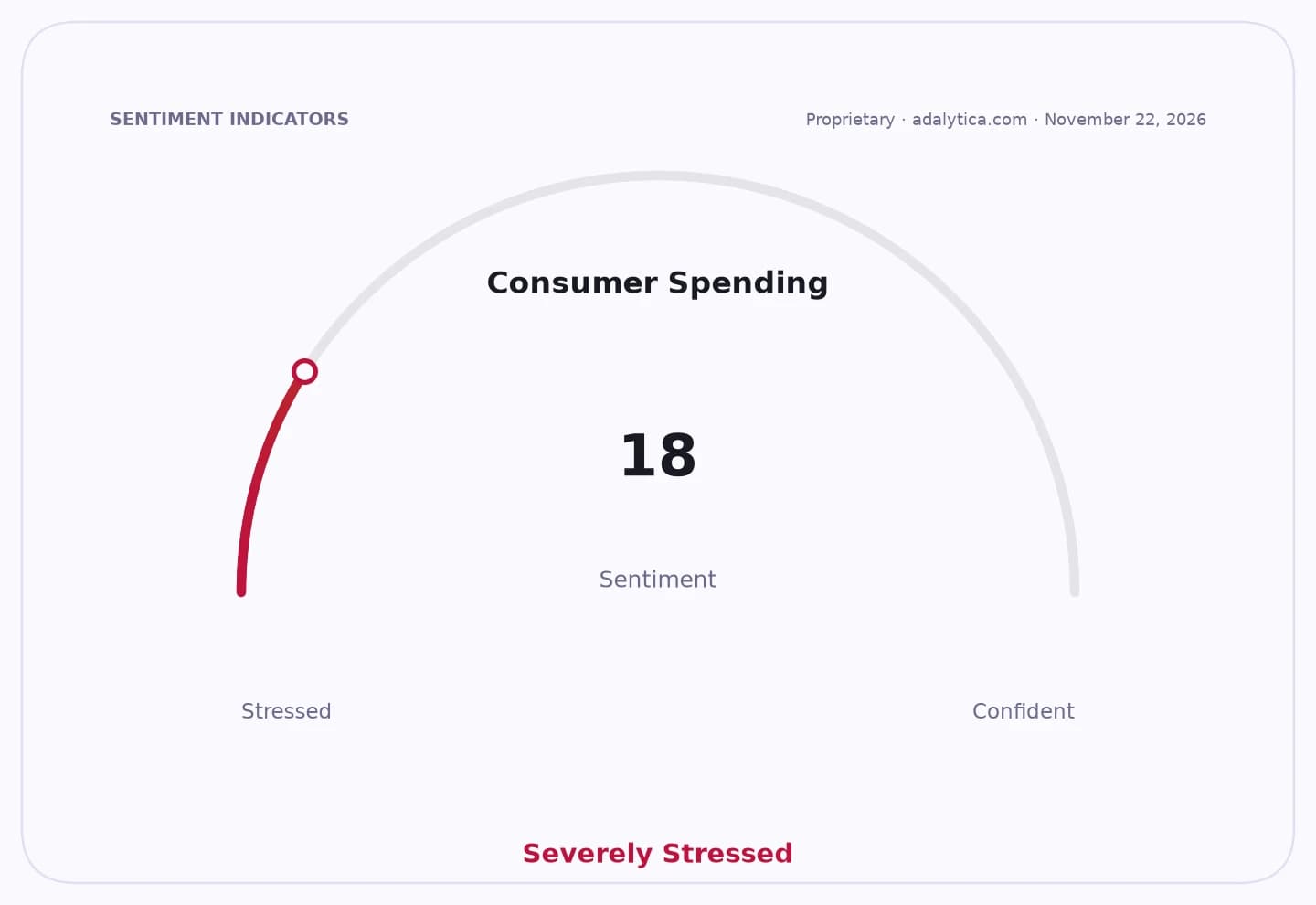
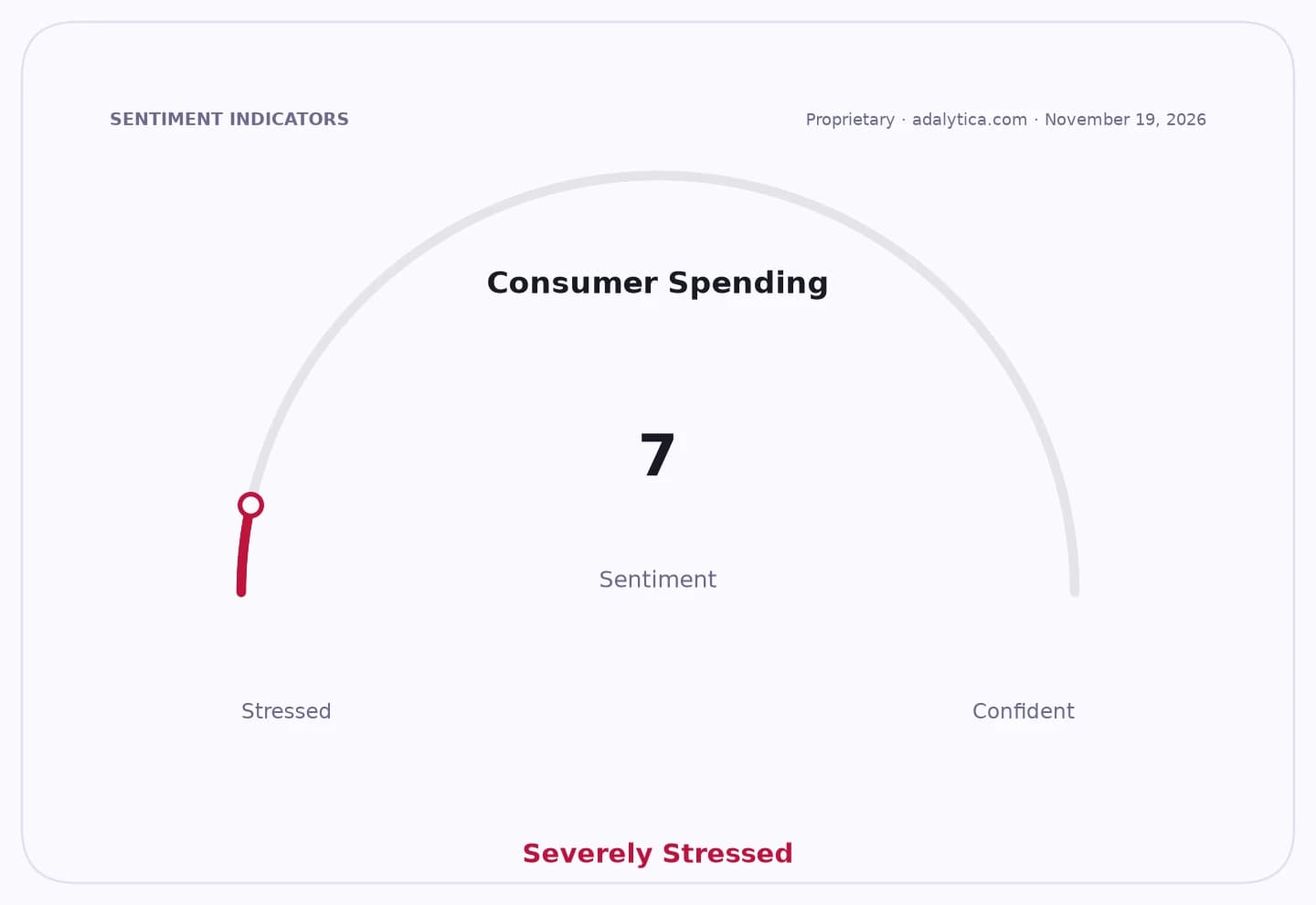
Sentiment Indicators
Chief Executive John Furner said the company saw the timing drag in the September quarter, but that same timing should now work in its favor in the International division’s fourth-quarter results. In plain English: sales that were always likely to happen are simply arriving later on the calendar. For a retailer that is increasingly judged on the durability of its e-commerce and emerging-market growth, that is a cleaner setup than a demand problem.
The broader investment case here is that Walmart continues to prove it can compound through multiple growth engines at once. U.S. grocery and online sales have been doing the heavy lifting at home, while Flipkart gives the company exposure to India’s fast-growing consumer market. That mix is attractive for long-term investors because it reduces reliance on any single geography and gives Walmart another route to scale digital commerce.
The timing shift also comes at a moment when the market is trying to separate real retail momentum from calendar noise. Walmart’s shares have held up well relative to peers, reflecting confidence in its ability to keep taking share from weaker competitors. By contrast, Amazon and Target face their own pressure points: Amazon is still managing margin tradeoffs in a massive retail and logistics network, while Target remains in a tougher turnaround phase. Walmart’s advantage is that it can lean on scale, groceries and omnichannel traffic all at once.
There are still risks. International retail can be lumpy, currency moves can distort results, and festive promotions are not the same as sustained margin expansion. But for investors with a multi-year horizon, the important takeaway is that Walmart is still adding incremental growth, not chasing it. A quarter-shift at Flipkart does not change the long-term story — it just changes when the revenue shows up.
For patient shareholders, that is exactly the kind of operational detail worth watching, not trading around. Walmart still looks like a resilient compounder, and the Flipkart timing shift should help reinforce that view heading into the year-end stretch.
| Entity | Gains | Losses |
|---|---|---|
| Walmart | ▲Q4 sales growth boost | ▼Q3 topline growth |
| Flipkart/India retail | ▲Festive-sale revenue timing | ▼Quarter-to-quarter smoothness |
| Long-term investors | ▲Cleaner growth trajectory | ▼Short-term volatility |
| Amazon and Target | ▲— | ▼Relative share gains for Walmart |