Walmart is using its scale to push deeper into advertising just as signs of strain in consumer spending, a jump in the dollar and a slide in broader markets are forcing investors to focus on where growth still holds up.
Walmart expands advertising as consumer spending slows

The move matters because advertising is one of the few retail businesses with the kind of margins that can offset pressure from lower-priced shoppers and tighter trading conditions. Walmart’s latest filing comes after it issued third-quarter results on Nov. 19, underscoring how the biggest U.S. retailer is increasingly leaning on higher-margin digital revenue rather than pure merchandise sales.
Sentiment Indicators

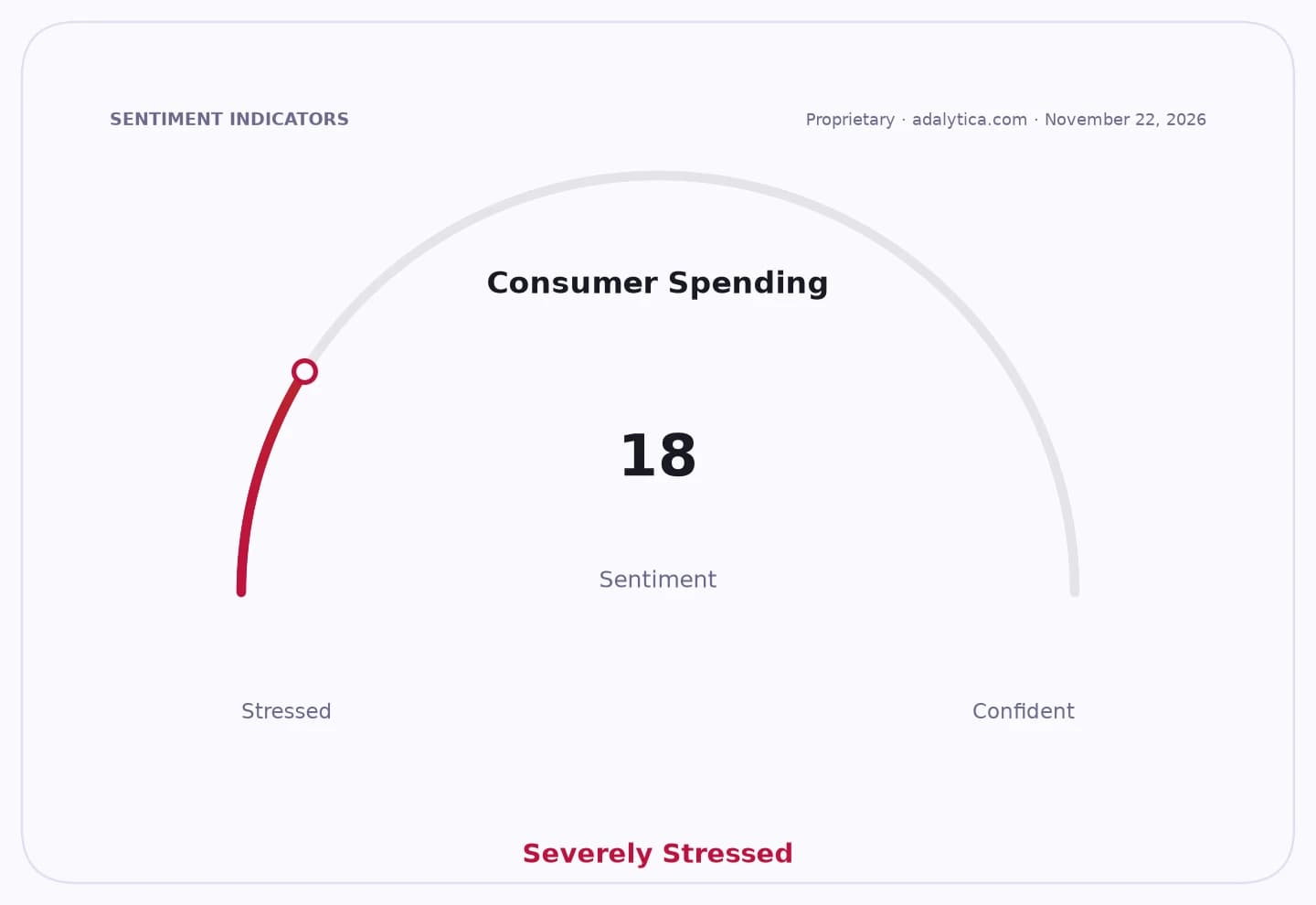
The timing is notable. U.S. consumer spending sentiment on Adalytica’s gauge sits at 7 out of 100, marked “Extreme Fear,” while the dollar sentiment score has fallen to 8, also in “Extreme Fear,” even as the greenback has risen sharply in recent sessions. A stronger dollar can weigh on import costs and global purchasing power, but it also tends to tighten financial conditions and pressure risk assets, including equities with rich valuations.
That market backdrop has already hit stocks. The SPY ETF slid to 689.81 on Nov. 20 from 715.87 a day earlier, with its relative strength index sinking to 29.4, a level that suggests oversold conditions after a sharp selloff. The S&P 500 trade-signal snapshot from Adalytica shows sentiment at 28, still in fear, even as awareness remains elevated at 73.
For Walmart, the appeal of advertising is simple: it monetizes shopper traffic without requiring the same level of capital as stores, inventory or logistics. That makes the segment strategically important as consumers remain cautious and retailers compete harder on price.
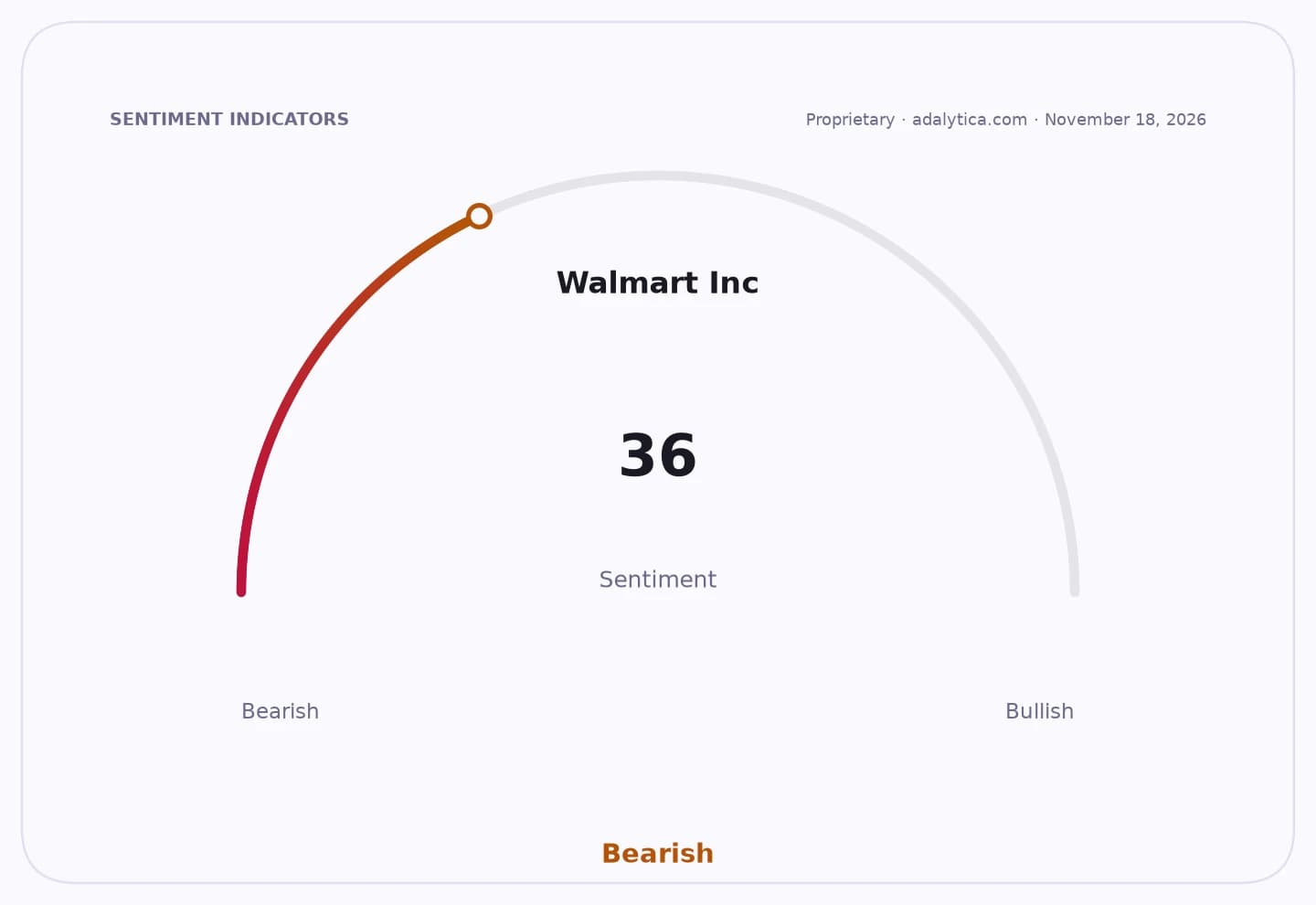
The company’s shares have also been volatile. Walmart closed at $127.95 on Nov. 20, above both its 50-day moving average of $116.65 and its 200-day moving average of $118.68, but the stock’s RSI has cooled to 50.7 from overbought levels above 90 earlier in the month. Investors will be watching whether the company can keep converting traffic into ad sales as holiday demand, foreign-exchange moves and broader consumer confidence remain under pressure.
| Entity | Gains | Losses |
|---|---|---|
| Walmart | ▲Higher-margin ad revenue | ▼Dependence on thin retail margins |
| Ad buyers | ▲Access to huge shopper traffic | ▼Higher competition for ad inventory |
| Consumers | ▲More targeted promotions | ▼More commercial pressure in shopping experience |
| Broad equity market | ▲Support from ad-growth names | ▼Risk appetite under pressure |