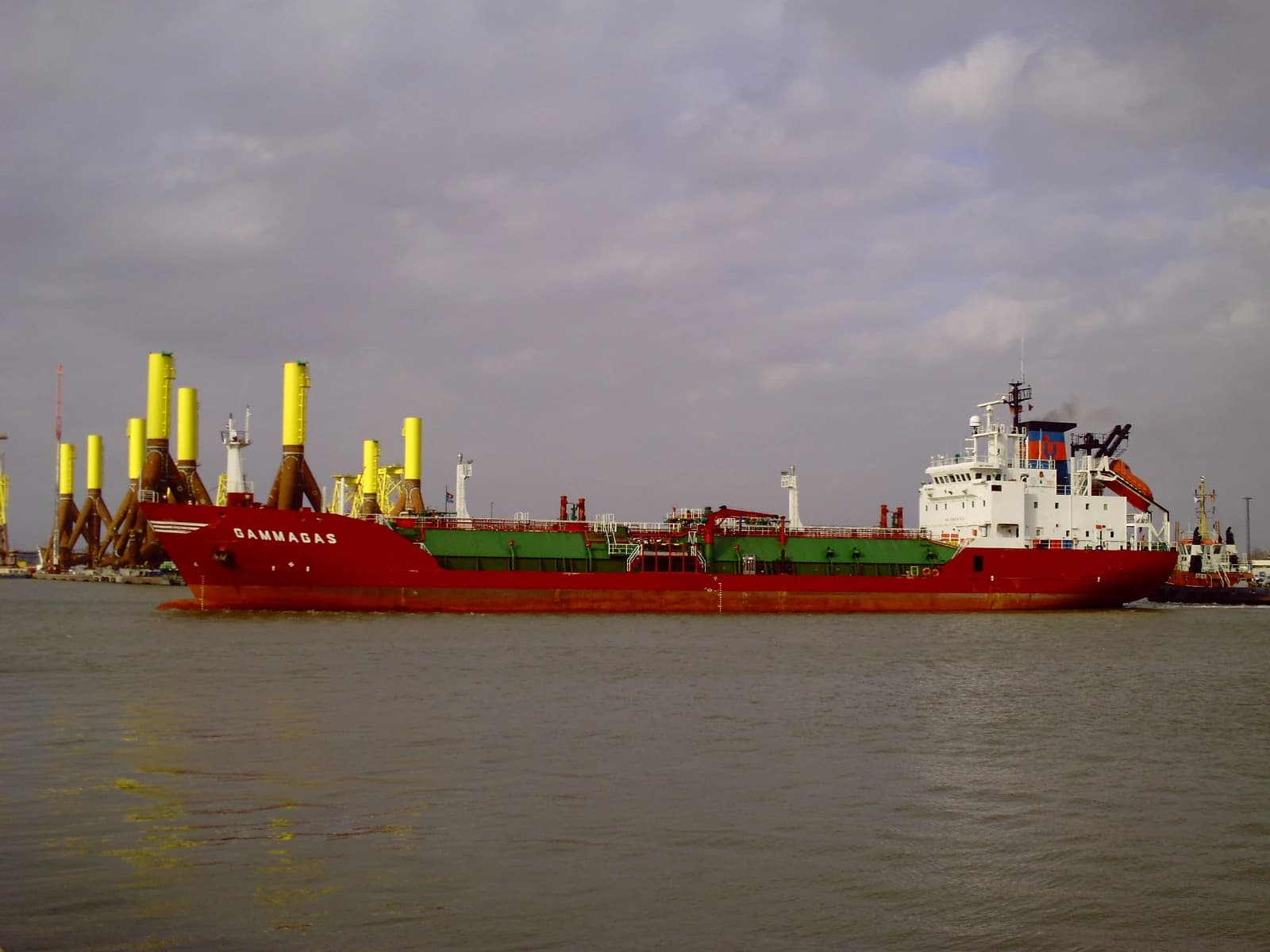
Venezuela’s transport ministry has moved to shore up maritime logistics ahead of the holiday season, meeting with the country’s main shipping operators to review service protocols, legal issues and planned investment, a sign that authorities are focused on avoiding bottlenecks on the key passenger-and-cargo route to Nueva Esparta.
Venezuela transport ministry meets shipping operators
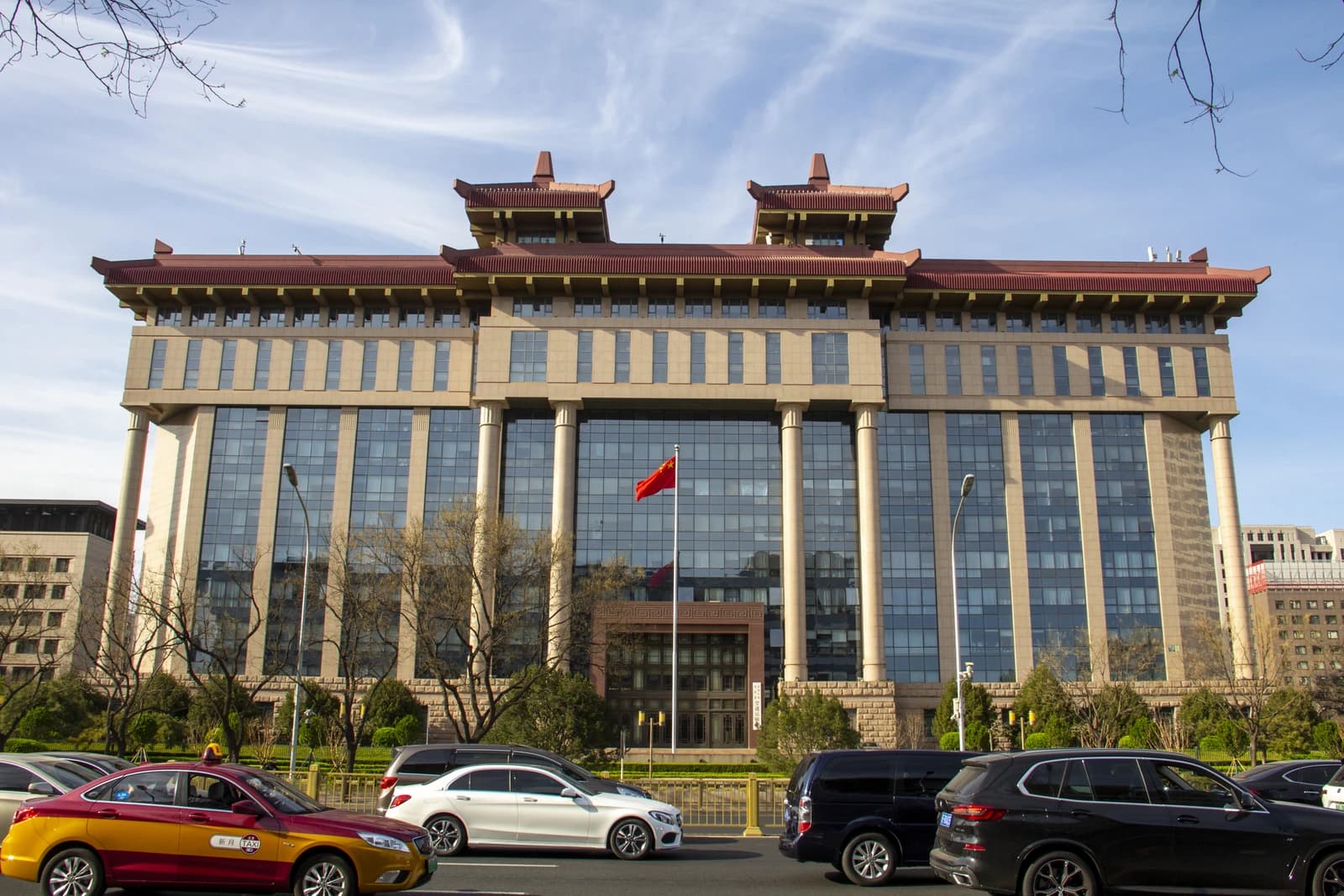
The session, led by Transport Minister Francisco Garcés and Aquatic Transport Vice Minister David Quintana, brought together Conferry, Navibus, Gran Cacique Express, Naviarca and Naviera Paraguaná. Officials said the talks centered on ensuring maritime mobility during the December peak, when travel demand typically rises sharply and the island state depends heavily on ferry and cargo links to the mainland.
Sentiment Indicators
For the economy, the meeting matters because maritime transport is not a niche sector in this route structure: it is a core supply line for passengers, food, consumer goods and other freight to Nueva Esparta. Any disruption quickly feeds into local prices, tourism flows and retail availability, while smooth operations can help cushion holiday-season inflation in transport-sensitive goods. The inclusion of investment projections for 2027 also suggests the government is trying to align short-term service continuity with longer-term fleet and terminal spending.
Investor relevance is more limited in a direct market sense, but the meeting points to a policy backdrop that matters for operators, equipment suppliers and any businesses exposed to domestic maritime logistics. Better coordination could support utilization and pricing power for ferry operators if traffic strengthens, while regulatory friction, maintenance constraints or underinvestment would weigh on margins and reliability. In a country where foreign exchange access and imported parts can be constraints, visibility on 2027 capex plans is as important as the holiday season itself.
The broader narrative is one of a transport system under pressure trying to stabilize around a seasonal surge rather than a structural overhaul. Authorities are signaling that operational discipline — not just capacity — will determine whether the sector can handle the year-end rush without service interruptions. For investors and businesses tied to Venezuelan logistics, the immediate question is whether these coordination efforts translate into fewer delays, better vessel availability and a clearer investment pipeline into 2027.
| Entity | Gains | Losses |
|---|---|---|
| Shipping operators | ▲Better coordination | ▼Less room for disruption |
| Passengers and cargo shippers | ▲Improved service reliability | ▼Higher risk of delays |
| Nueva Esparta consumers | ▲Steadier supply flows | ▼Scarcer goods if logistics fail |
| Government | ▲Political credit for responsiveness | ▼Exposure if holiday transport falters |