Ukraine’s first known use of a ballistic missile against Russia marks a dangerous escalation in a war that is now reaching directly into the infrastructure that keeps Moscow’s economy running. For investors, the immediate issue is not just the battlefield message — it is the possibility of more damage to Russian refining, tighter global fuel balances and another leg up in oil-related volatility.
USO and XLE gain on Ukraine Russia refinery risk
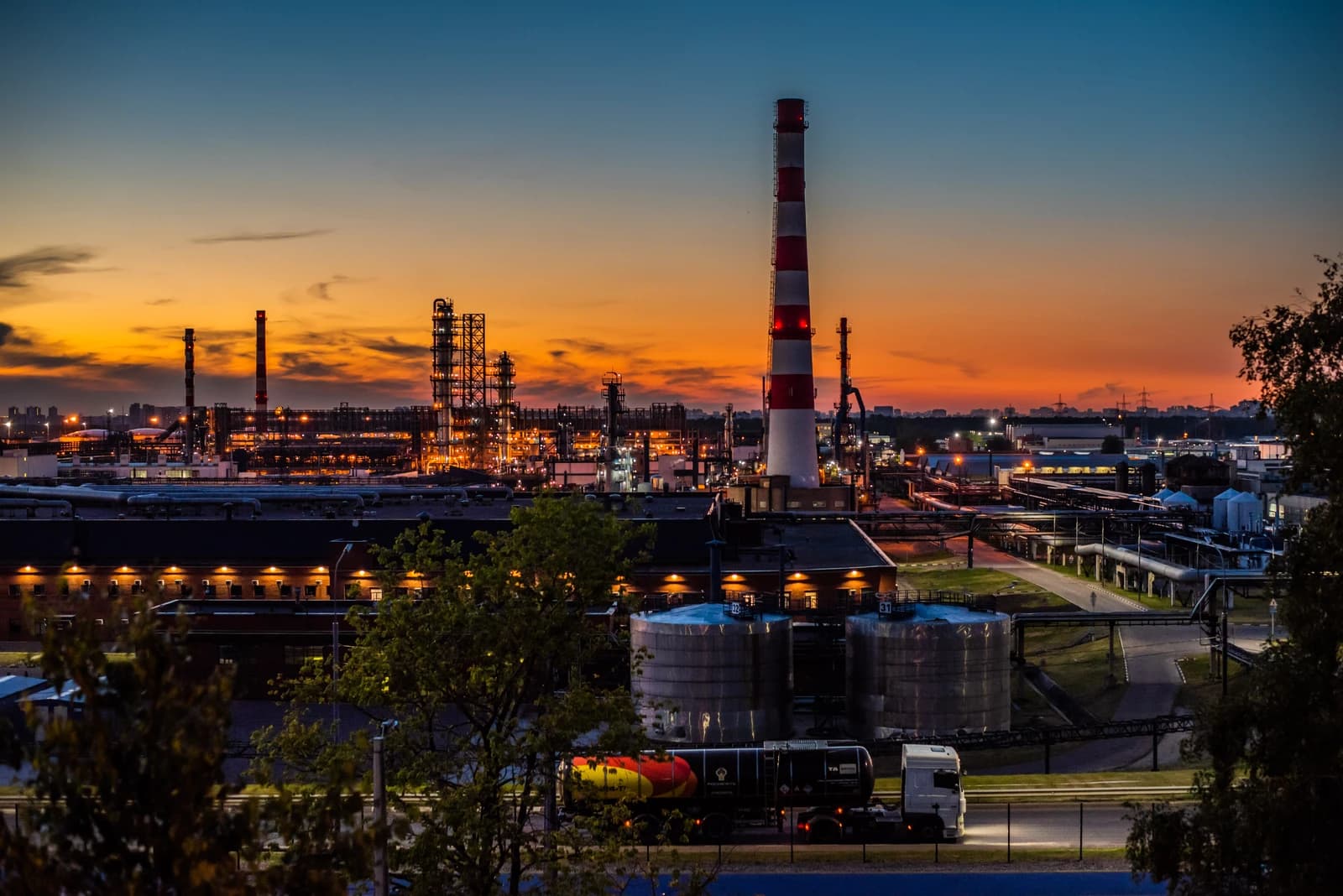
President Volodymyr Zelensky said Ukrainian forces struck a major Russian oil-industry facility and a logistics site in the Moscow region, using 10 different weapons in the overnight operation. Kyiv said the target list included the Gazprom Neft refinery in Kapotnya, which it described as supplying roughly 40% of fuel for Moscow and surrounding areas. Russian officials said at least two people were killed and 20 wounded, underscoring that the campaign is moving beyond symbolic retaliation and into attacks on critical economic assets.
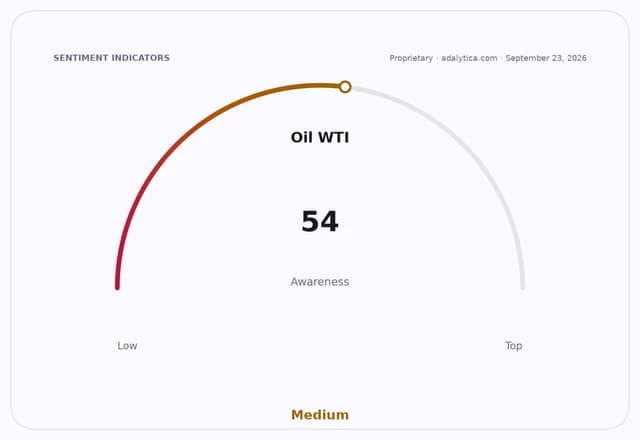
Sentiment IndicatorsⓘProprietary · adalytica.com · September 23, 2026
This is a snapshot — live sentiment, awareness and momentum for 130+ markets update continuously in the dashboard.Open AlphaPulse
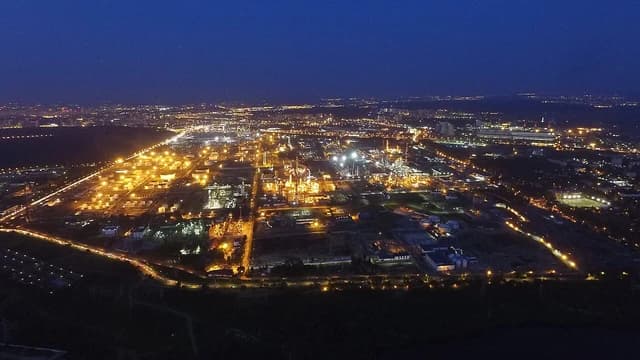
That matters because oil refineries are not just military targets — they are economic pressure points. Ukraine has already shown it can disrupt Russia’s downstream energy system with drones, and any further hits on refining capacity can squeeze diesel and gasoline supply inside Russia while forcing Moscow to divert resources to defense and repairs. The broader implication is that energy markets remain exposed to a conflict that can quickly alter fuel flows, margins and regional supply security.
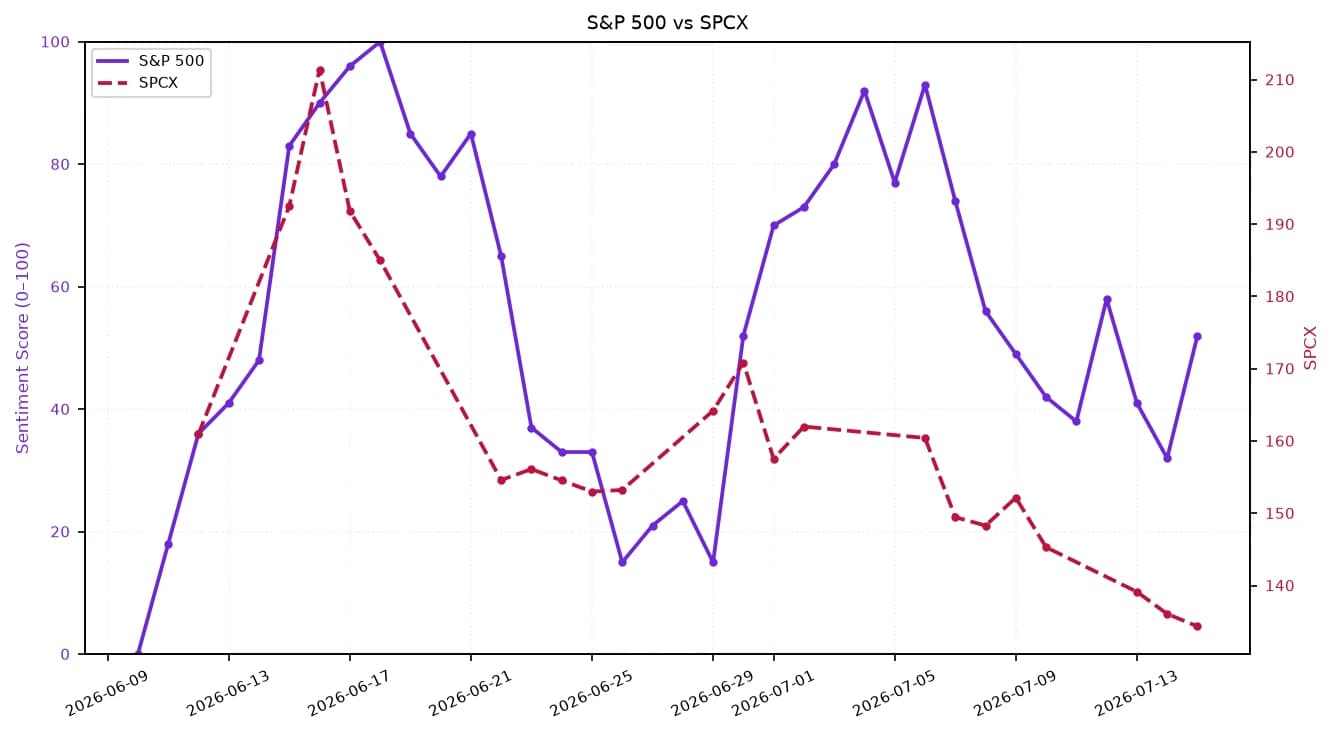
The market response has been telling. US oil ETF USO has surged well above its 50-day and 200-day moving averages this year, with the latest price still near $149 and the RSI signaling the fund remains extended even after a recent pullback. Energy shares have also stayed firm, with the Energy Select Sector SPDR Fund, XLE, holding well above both key moving averages. That tells you traders are still willing to pay for geopolitical protection in the energy trade.
The stakes are especially high because any disruption to Russian refining can ripple far beyond the battlefield. Refiners in Europe, Asia and the US can benefit from wider product margins if diesel and gasoline supplies tighten, while airlines, trucking fleets and consumers face higher fuel costs. For long-term investors, this is a reminder that energy remains one of the clearest sectors where geopolitics can still override fundamentals in the short run.
The safest takeaway is that this conflict is no longer just about territory — it is increasingly about infrastructure, logistics and the cash flow of an energy state. If Ukraine can keep forcing outages in Russia’s oil system, the pressure on Moscow will rise and the case for staying invested in diversified energy exposure remains intact. For patient investors, this is worth watching closely, not as a trade, but as a multi-year geopolitical tail risk.
| Entity | Gains | Losses |
|---|---|---|
| Ukraine | ▲More leverage on Moscow | ▼Higher escalation risk |
| Russia’s oil industry | ▲— | ▼Refinery damage, supply disruption |
| Energy investors | ▲Geopolitical support for prices | ▼Volatility and drawdown risk |
| Fuel users | ▲— | ▼Higher gasoline and diesel costs |