A widening gap between college credentials and entry-level hiring demand is leaving many bachelor’s-degree holders with weaker job prospects, even as the broader labor market remains relatively stable.
US labor market favors technical degree holders

That matters because the unemployment rate is still forecast at 4.09% for October, near the low end of historical norms, and payrolls are expected to keep edging higher to 159,085,500. In other words, this is not a recessionary labor shock. It is a composition problem: employers are hiring, but they are increasingly selective about which degrees translate into productive workers.
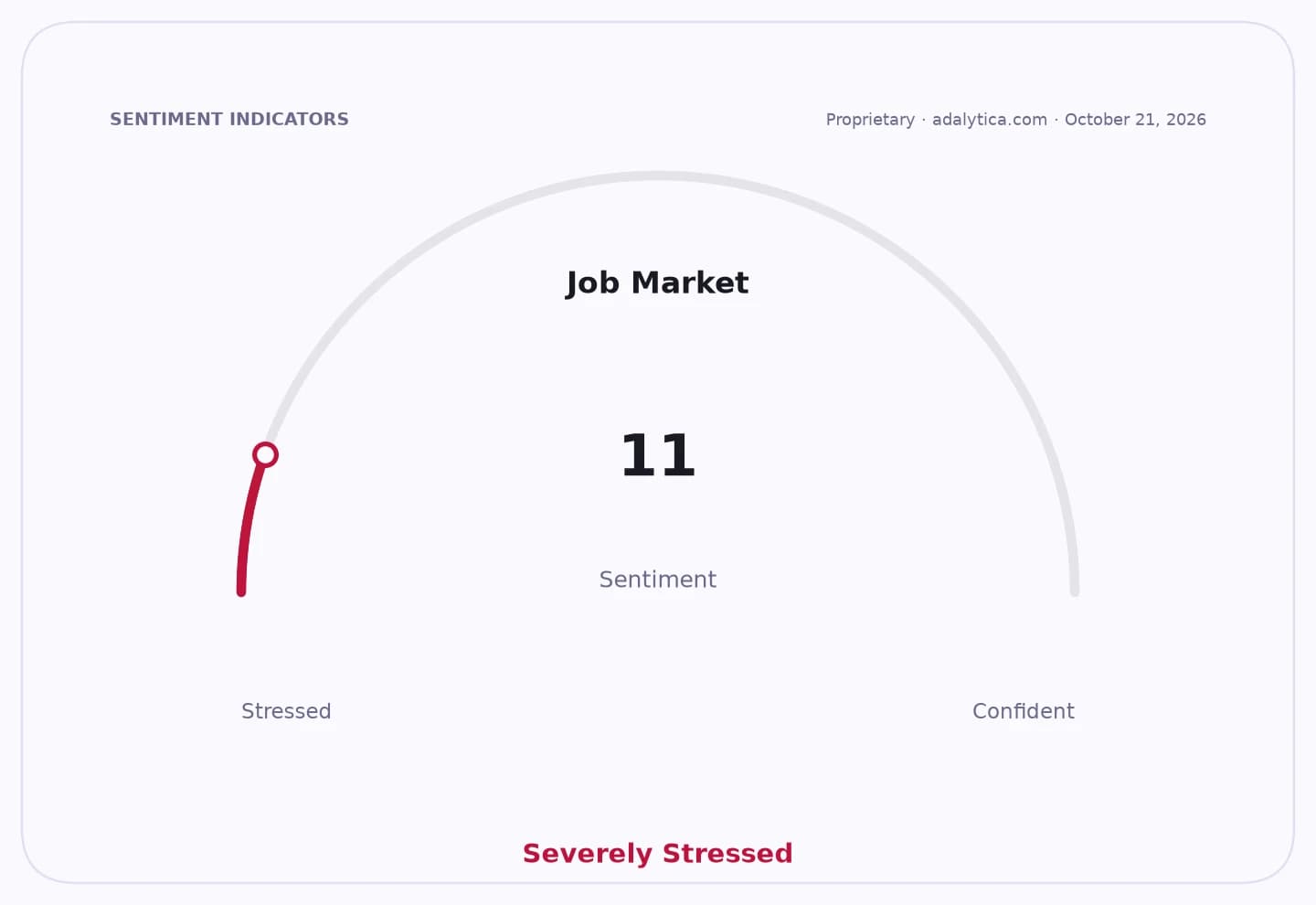
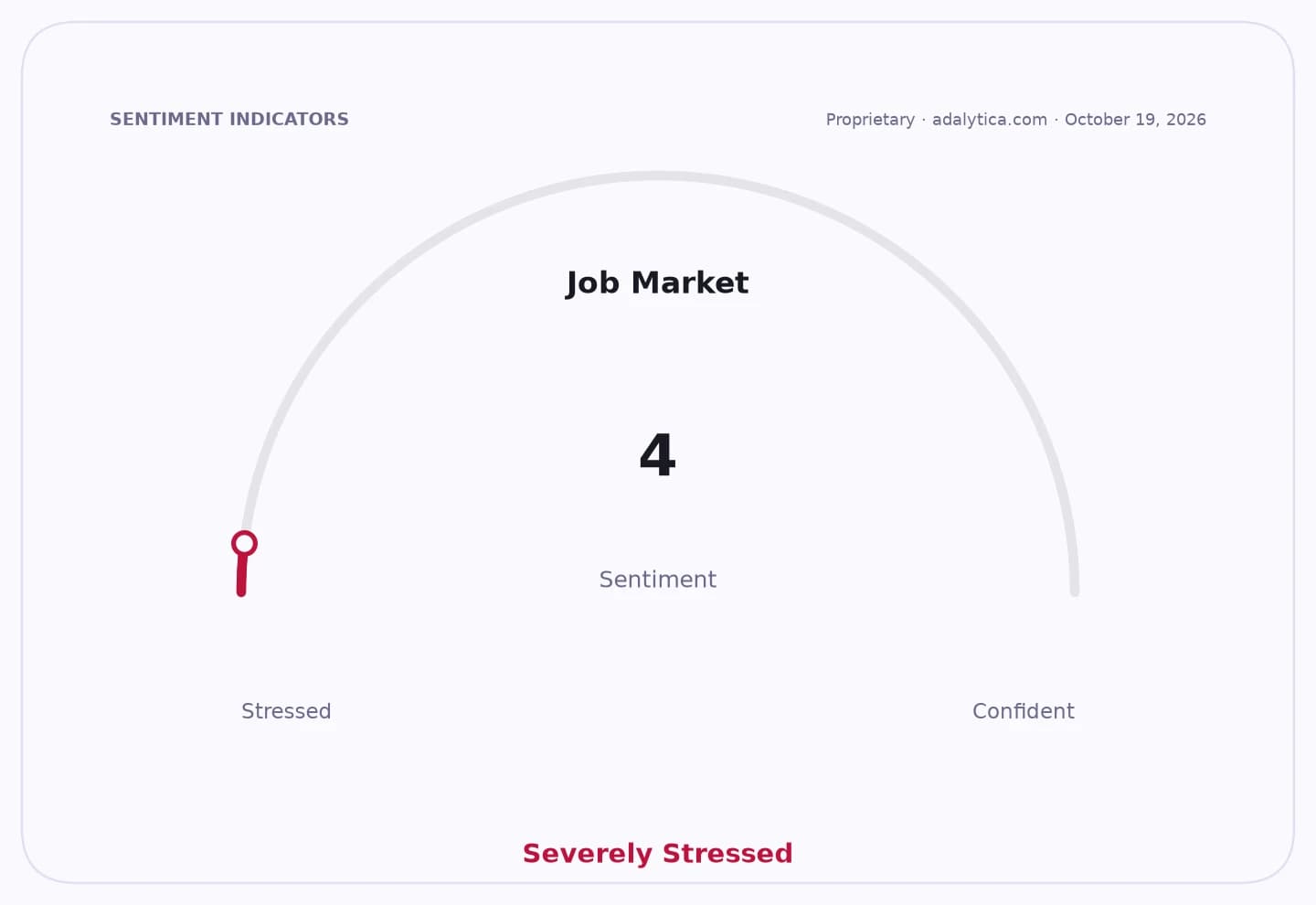
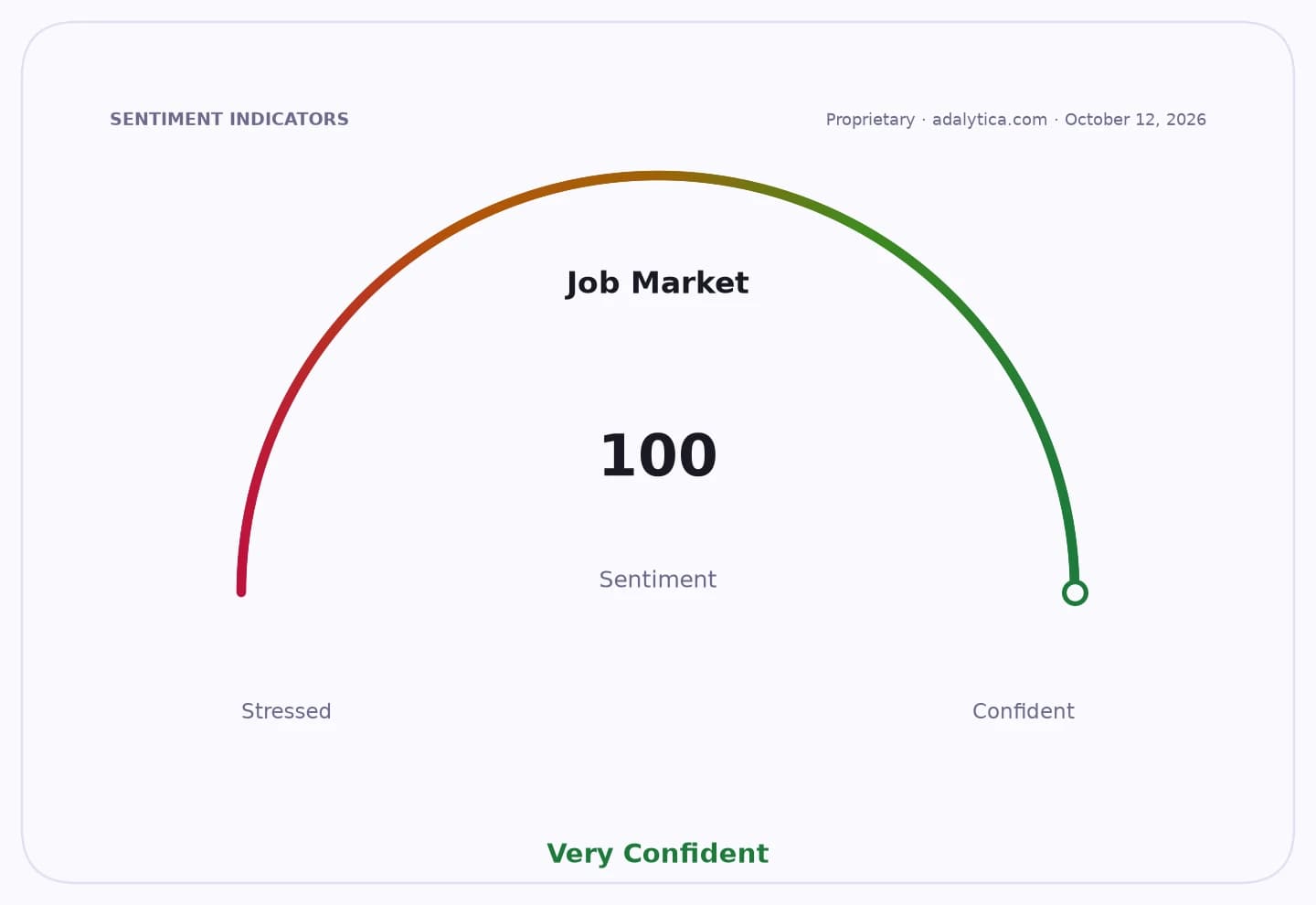
Sentiment Indicators
The clearest signal comes from the contrast between jobless claims, payrolls and openings. Nonfarm payroll employment rose to 159,044,000 in September, while job openings were still 7.079 million in August, a level that suggests demand for labor has not vanished. Yet the unemployment rate also ticked up to 4.2% from 4.1%, and the gap between stable headline labor data and poor graduate outcomes points to a labor market that is rewarding practical training, experience and technical skills more than generalist credentials.
That fits a growing theme across employers’ filings and hiring patterns. Large companies from Microsoft to Amazon and Costco say the battle for skilled workers remains intense, especially in software, computer science, operations and other roles where specialized ability can be monetized quickly. Health care stands out as one of the few sectors still structurally short of labor, and the strongest job outcomes are increasingly tied to degrees linked to clinical, technical and operational work rather than broad liberal arts or oversupplied business tracks.
For students and investors alike, the implication is that the return on a bachelor’s degree is becoming far more uneven. Families paying tuition with borrowed money face a bigger risk that the credential alone will not secure a well-paid first job. Universities that cannot show strong placement rates may face pressure on enrollment, pricing power and reputation, while institutions that build employer partnerships, internships and applied programs should gain an edge.
The market backdrop reinforces that shift. Equity benchmarks tied to growth and consumer spending have been volatile, with the Nasdaq 100 ETF QQQ recently trading around 704.47 after rebounding from a summer selloff, while the consumer discretionary ETF XLY remains near 115.01 and the health care ETF XLV has outperformed at 181.30. That relative strength favors sectors where employers continue to pay for scarce skills and where hiring is less sensitive to a weak entry-level pipeline.
Adalytica’s job market sentiment gauge also reflects the strain: the JOB reading sits at 29, in fear territory, with awareness at an extreme fear level of 4. That suggests graduates and employers alike are operating in a more cautious environment, even as payroll sentiment remains elevated. The message for investors is that labor market resilience no longer means broad-based opportunity; it increasingly means a two-tier market in which degree choice, work experience and sector alignment matter as much as the diploma itself.
| Entity | Gains | Losses |
|---|---|---|
| Employers | ▲Larger applicant pool | ▼Slower hiring for niche roles |
| Health care and technical sectors | ▲Stronger graduate demand | ▼Oversupplied fields |
| Universities with employer links | ▲Better placement outcomes | ▼Weaker-enrollment programs |
| Graduates in narrow or oversupplied majors | ▲More selective hiring | ▼Lower wage and job security |