The Kremlin’s willingness to restart Ukraine peace talks is the biggest geopolitical shift in months, but investors should not confuse a diplomatic opening with an immediate end to war risk.
Ukraine peace talks lift EWU, pressure dollar
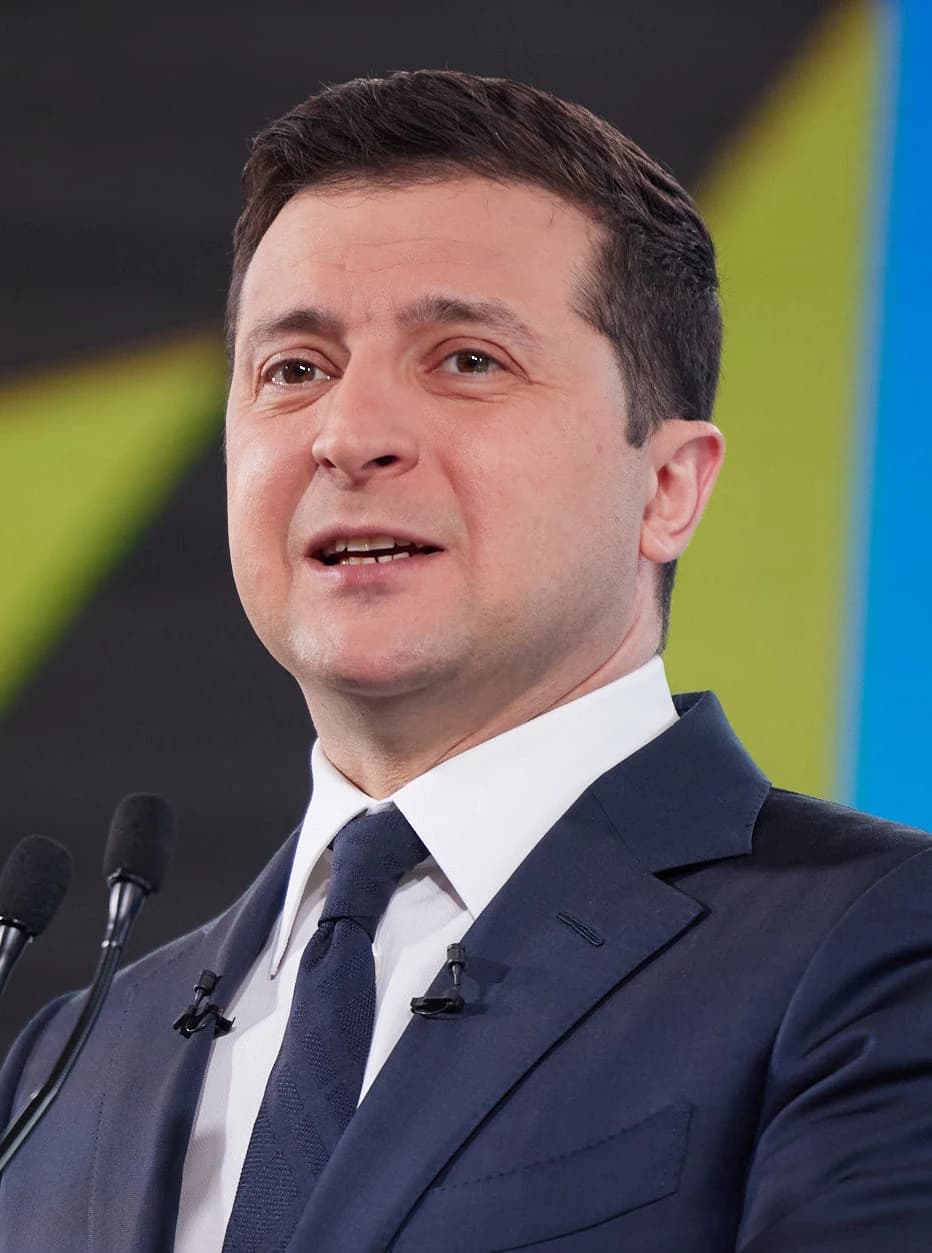
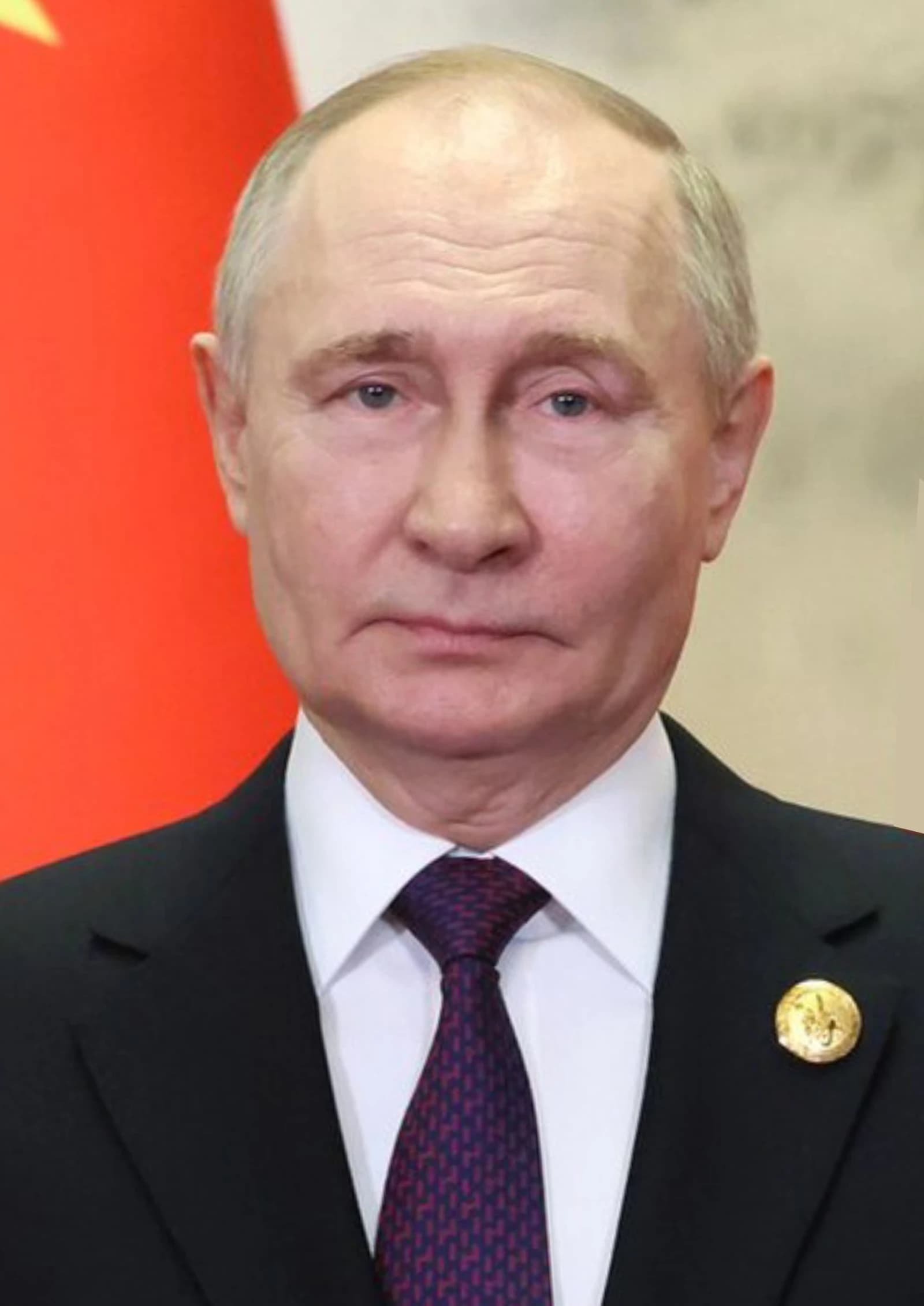
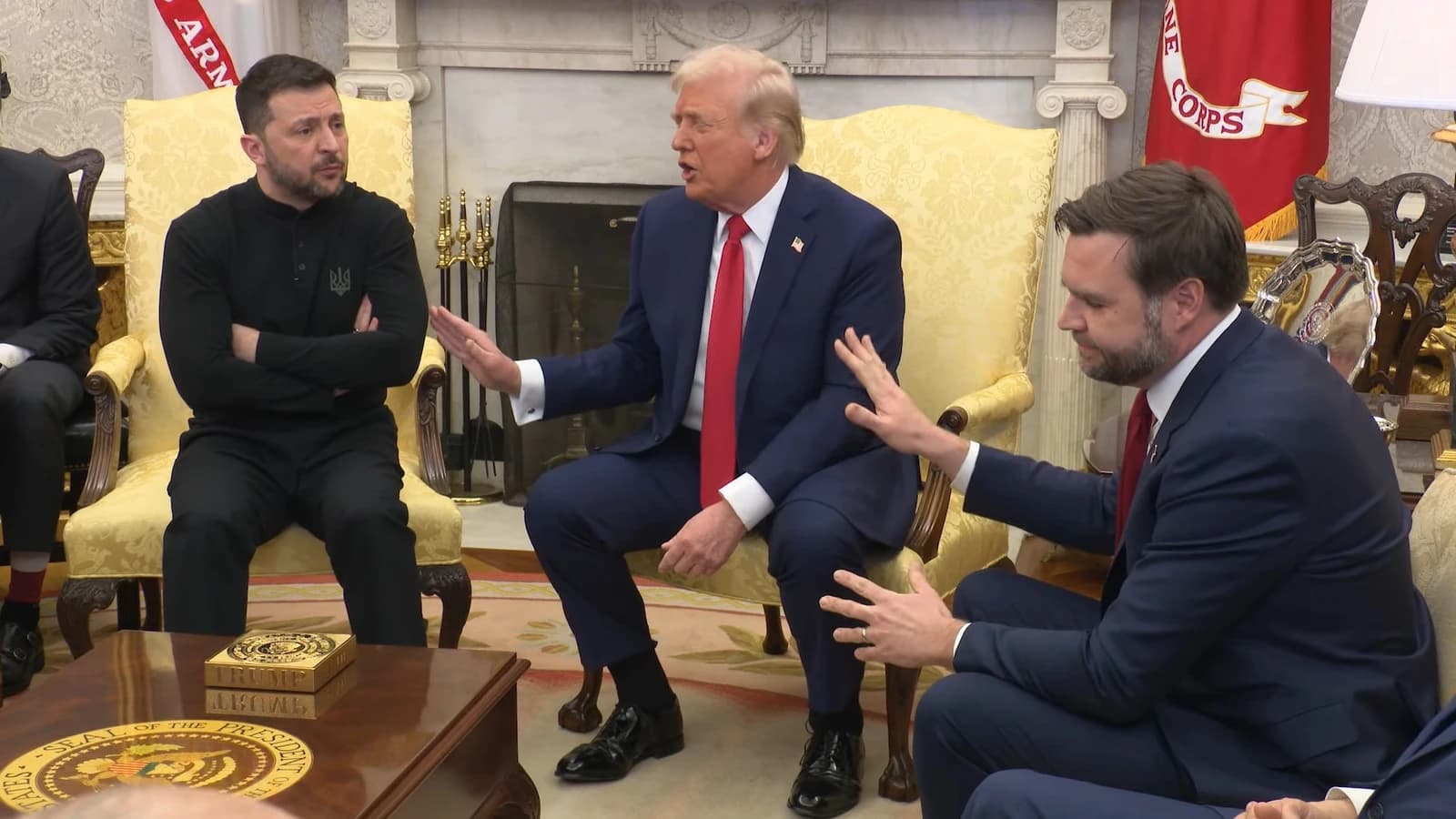
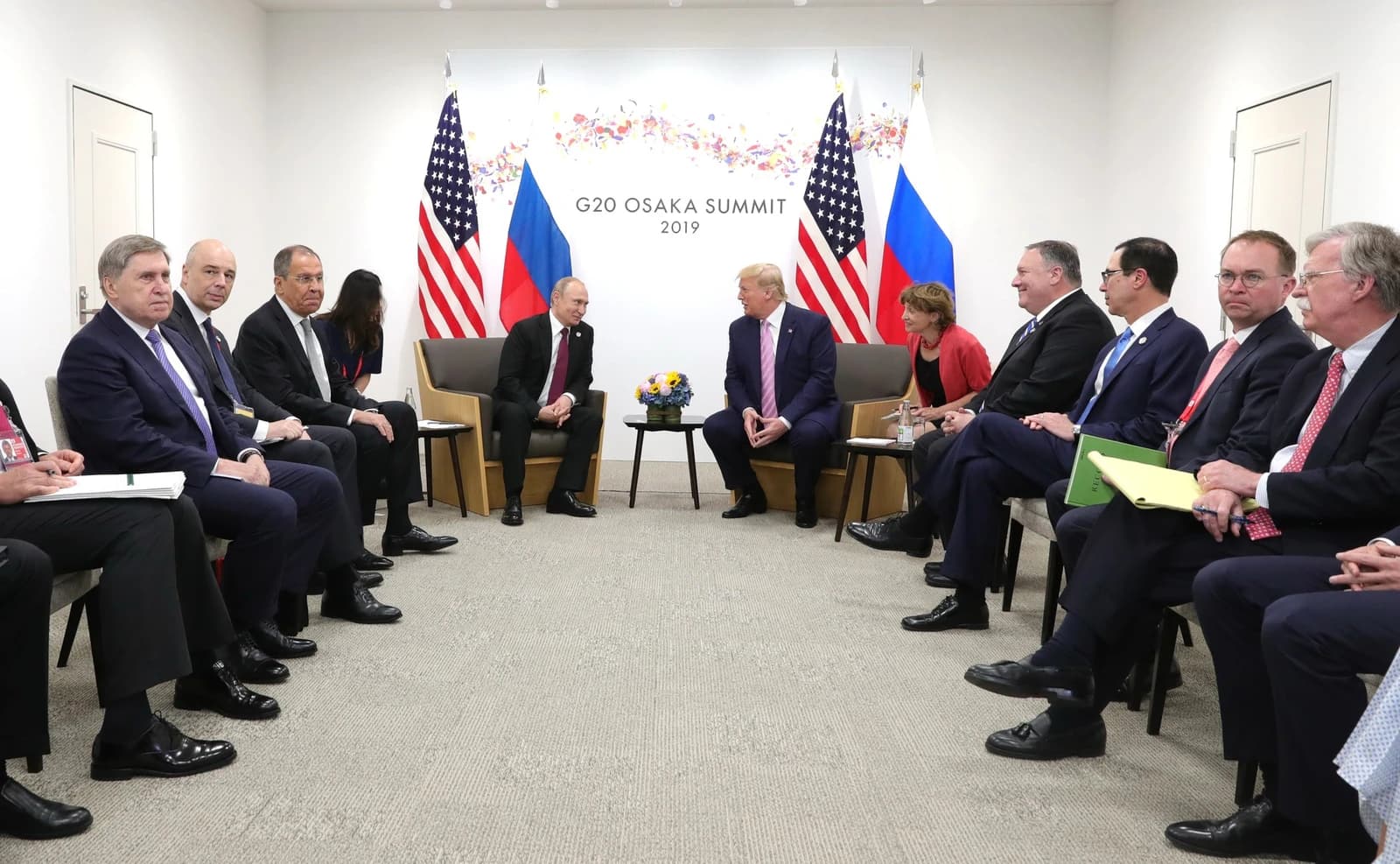
Russian President Vladimir Putin has said he will “answer” the phone if Volodymyr Zelenskyy calls, while Moscow says it supports renewed negotiations involving the United States and Ukraine. The talks are expected to begin in early November, yet the Kremlin has also made clear that military operations will continue. That dual message is exactly why markets should care: it keeps the door open to de-escalation without removing the sanctions, defense and energy overhang that has shaped European assets for nearly two years.
Sentiment Indicators
For investors, the first-order effect is not on front-line diplomacy but on risk premia. A credible path to talks tends to lift sentiment across European equities and cyclicals, while easing some pressure on energy prices and supply chains. It also raises the odds of a slow unwinding of war-related distortions in currencies and government bond markets, even if nothing changes operationally on the battlefield in the near term.
That is where the market may be mispricing the story. The London-listed iShares MSCI United Kingdom ETF, EWU, has been grinding higher and ended Oct. 30 at $47.83, above both its 50-day moving average of $47.57 and 200-day average of $46.63. That suggests investors are already leaning toward a softer geopolitical backdrop. But the move is still modest relative to the size of the macro event, which means any real breakthrough could trigger a second leg higher in UK and broader European risk assets that remain sensitive to peace headlines, energy stability and global growth expectations.
The dollar is the other key barometer. The Invesco DB US Dollar Index Bullish Fund, UUP, has held near $29 and finished Oct. 30 at $29.00, still above its 200-day average of $27.93. A genuine easing of geopolitical stress would likely take some shine off the dollar’s haven bid, especially if traders begin to price less panic demand for safety assets. That would matter for global equities, commodities and emerging markets, which have all traded with a war-risk discount.
But the most important point is what this does not yet change. Russia’s statement that fighting will continue means defense spending, sanctions fatigue and energy security remain in place. In other words, this is a potentially bullish development for risk appetite, not a clean regime change. The market may get the headline of peace talks before it gets the reality of peace.
Our view is that investors should position for optionality rather than certainty. If negotiations gain traction, the first beneficiaries are likely to be European equities, UK-exposed names and global cyclicals tied to lower volatility and better trade flows. If talks stall, the world stays in the same defensive posture it has been in for months. That asymmetry argues for staying invested in quality risk assets while keeping one eye on energy, defense and the dollar, which still carry the biggest geopolitical premium.
| Entity | Gains | Losses |
|---|---|---|
| EWU holders | ▲Lower war-risk discount | ▼Less upside if talks fail |
| UUP bulls | ▲Safe-haven demand | ▼Softer dollar on de-escalation |
| European cyclicals | ▲Better sentiment | ▼Slower gains if conflict persists |
| Defense contractors | ▲Continued conflict spending | ▼Peace progress reduces urgency |