Ukraine’s push to widen diplomatic backing before fresh talks with Russia has put energy security and Black Sea grain routes back at the center of the war’s economic cost.
Ukraine, India Talks Focus on Energy and Grain Routes
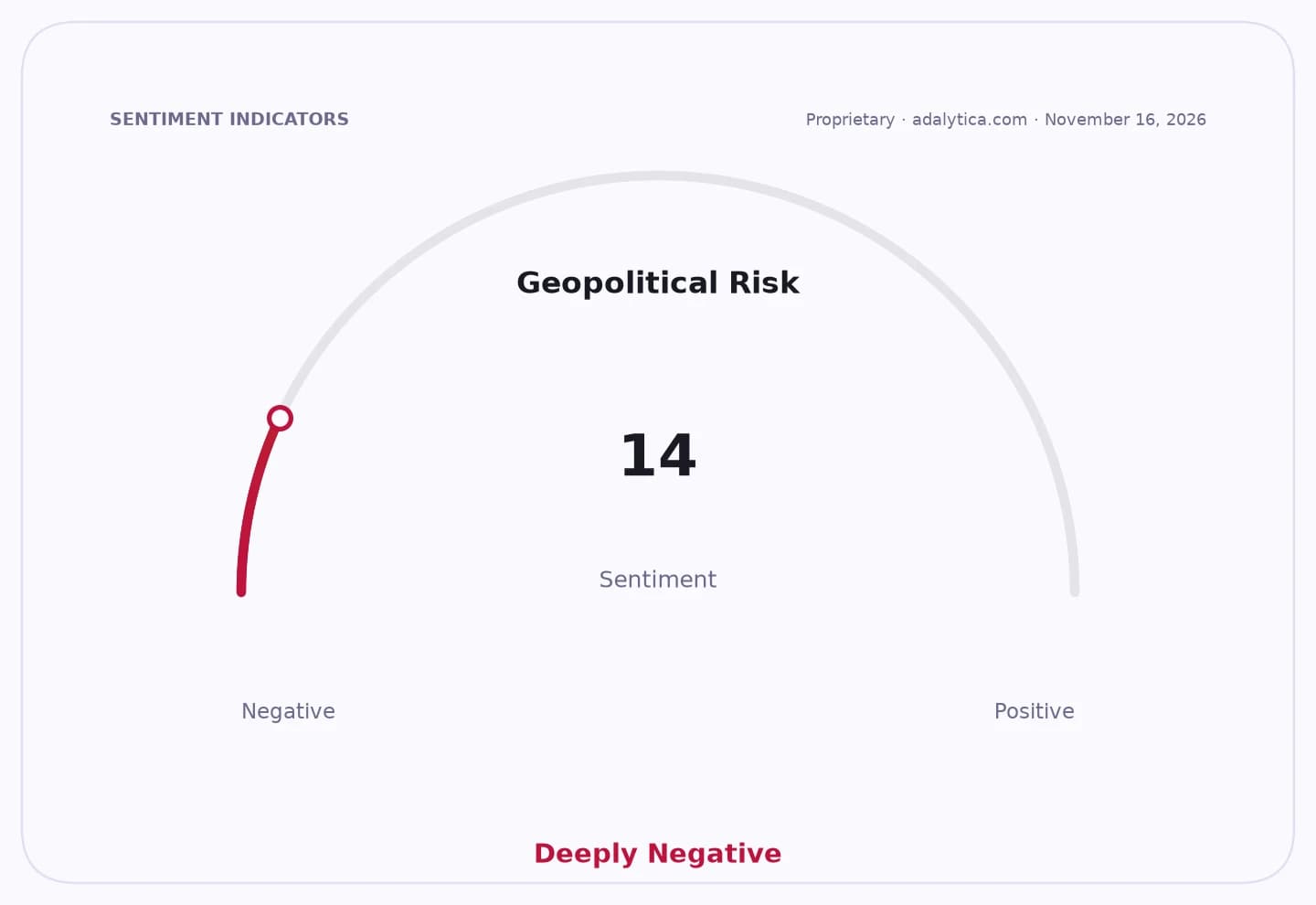
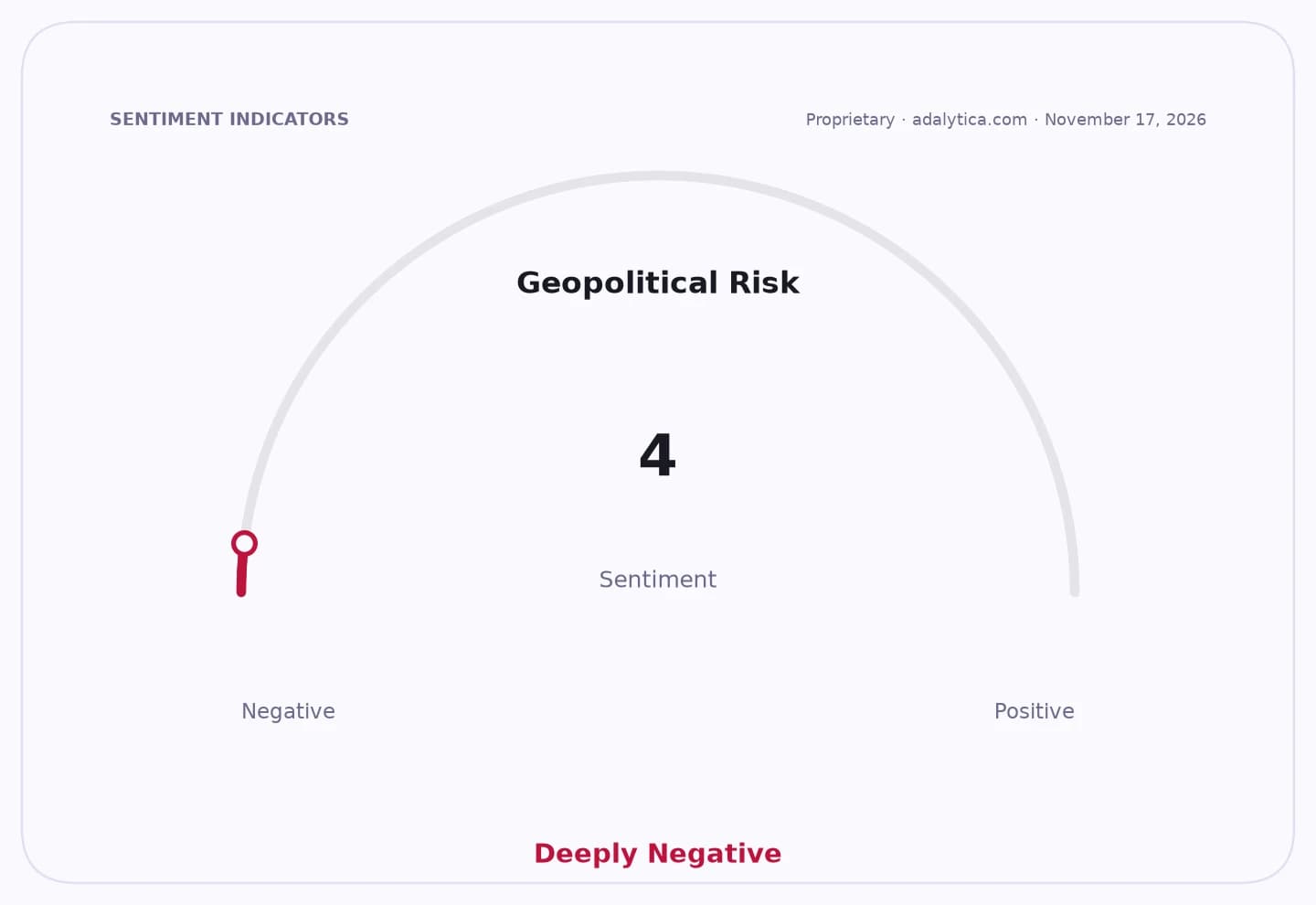
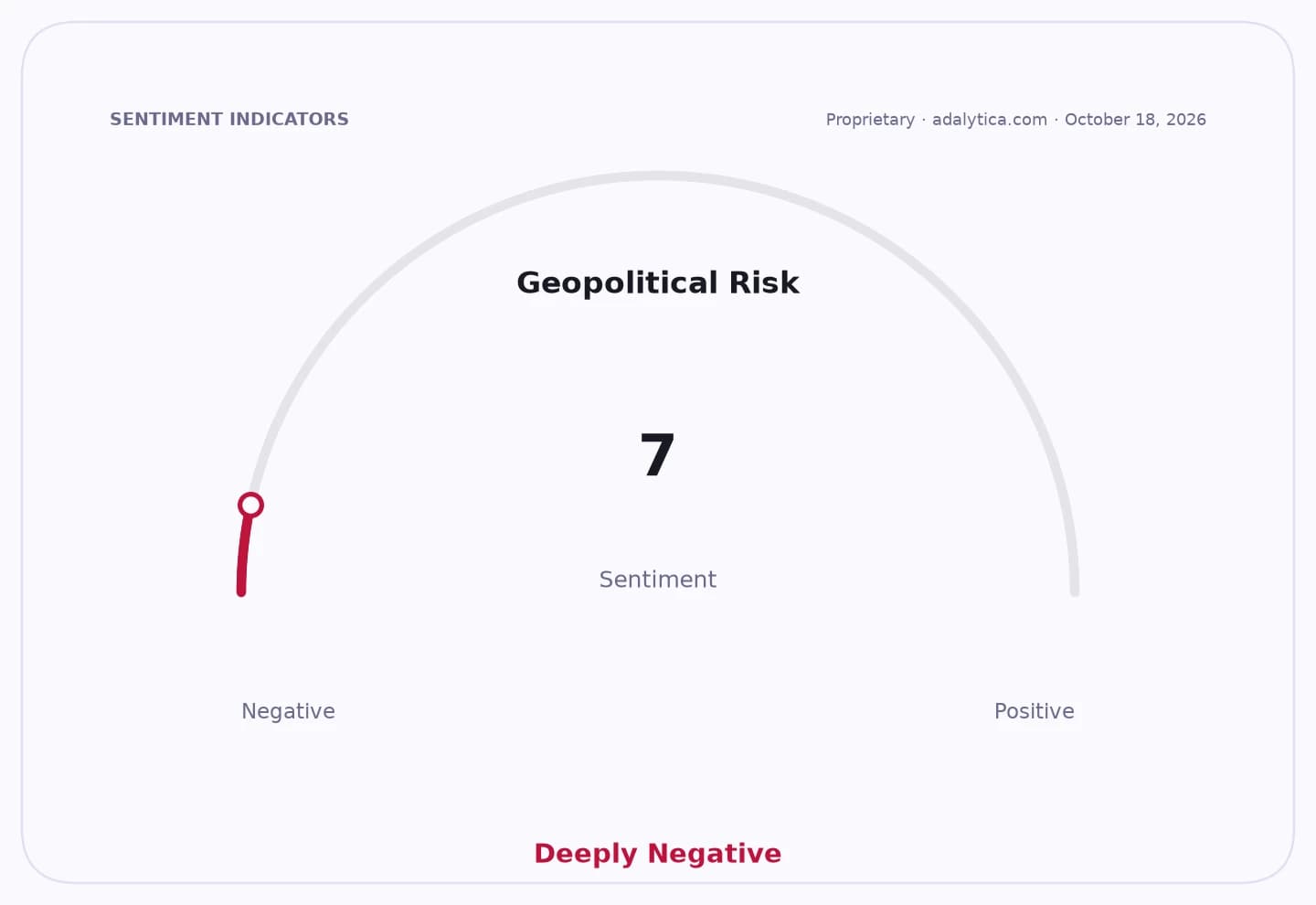
Geopolitical Risk
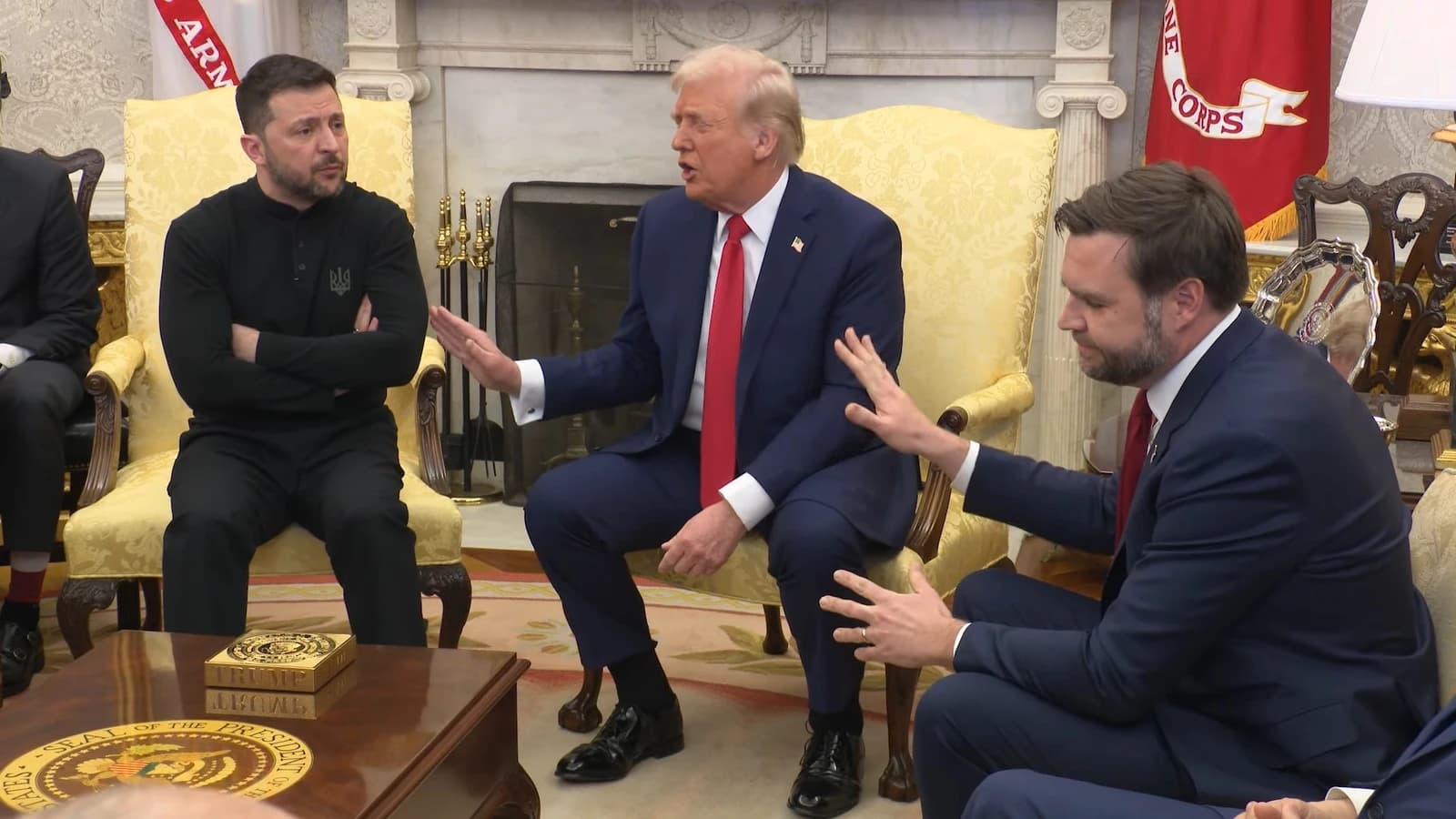
President Volodymyr Zelenskiy spoke with Indian Prime Minister Narendra Modi on Monday ahead of trilateral meetings with Russia and the US in Abu Dhabi, a sign Kyiv is trying to build leverage with one of the few major economies that has kept open lines to Moscow. The talks, expected Tuesday and Wednesday, come as Russia intensifies strikes on Ukraine’s energy and logistics infrastructure before winter, raising the risk of deeper damage to power supply, transport networks and export capacity.
Sentiment Indicators
That matters well beyond the battlefield. Ukraine’s economy has been held together by outside financing, emergency energy support and the partial reopening of trade channels. If talks produce even limited progress on protecting infrastructure or reviving grain corridors in the Black Sea, the payoff would be immediate for food markets, shipping routes and insurers. If they fail, the market has to price a longer war, more physical disruption and a heavier burden on Europe and the wider global economy.
Zelenskiy said Modi told him “now is the time to end the war, not to continue it,” and said India was ready to mediate on grain-export corridors blocked by Russian attacks. Modi’s office said only that India was ready to contribute to “all efforts aimed at peaceful resolution of the conflict.” That wording is careful, but the fact the call happened before the talks is itself meaningful: India remains a critical swing player because of its ties to Moscow, its dependence on stable food and energy flows, and its rising diplomatic weight in the global South.
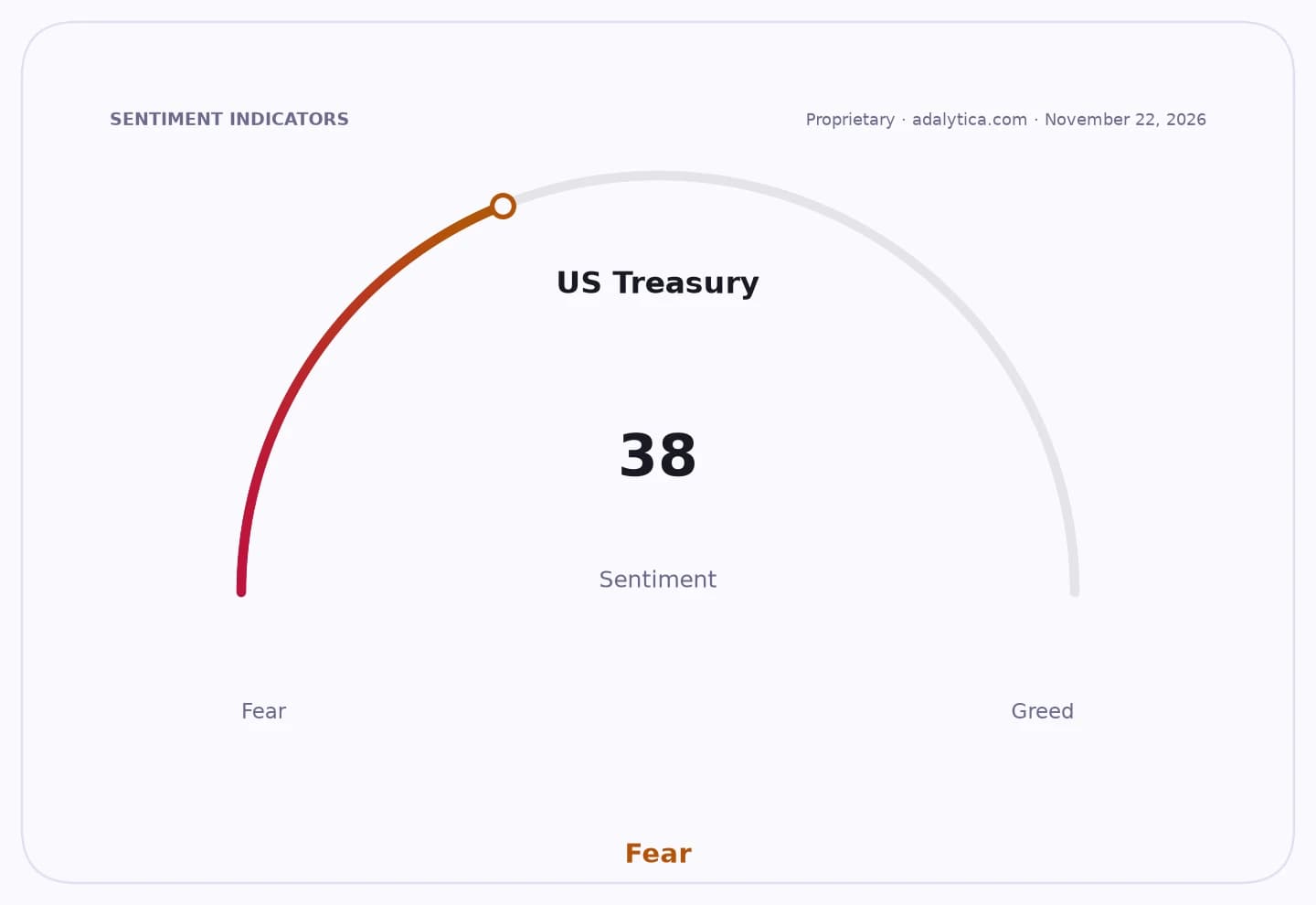
Investors should read this as another reminder that Ukraine’s war premium is not just about defense stocks. It is also about energy infrastructure, agricultural shipping, European utilities, freight rates and safe-haven demand. Adalytica’s Global Stability Sentiment is sitting in “Extreme Fear,” while the Gold Fear & Greed Index has slipped further into fear territory, underscoring how fragile market confidence remains as diplomacy advances without clear resolution. Gold has held up as a hedge against geopolitical stress even after recent volatility, while the dollar has retained support as investors look for shelter when negotiations stall.
The bigger narrative is that peace talks do not erase the trade. They change its shape. Any credible movement toward a grain corridor, a ceasefire around infrastructure or a broader de-escalation would weaken the case for persistent energy shocks and reduce the need for defensive positioning in commodities and havens. But until there is a real breakthrough, the market is still trading a war economy: volatile energy, elevated logistics risk and recurring demand for assets that benefit from instability.
For investors, the asymmetry is in the second-order winners. Grain shippers, port operators, reconstruction suppliers, power-grid contractors and defense names all remain leveraged to the duration of the conflict. A genuine diplomatic thaw would hurt some of those trades, but it would also create a new cycle of reconstruction and trade normalization that the market is still underpricing. The key is to stay positioned for volatility while watching whether this round of talks produces more than another diplomatic pause.
| Entity | Gains | Losses |
|---|---|---|
| Ukraine | ▲export relief if corridors reopen | ▼power grid under attack |
| India | ▲diplomatic leverage | ▼little if talks fail |
| Gold / safe havens | ▲haven demand | ▼risk premium if peace advances |
| Energy, freight and defense stocks | ▲war-related demand | ▼de-escalation and lower volatility |