Britain’s deportation of three Bulgarian nationals convicted in a record £53.9 million welfare fraud underscores a harder line on benefit abuse at a time when the government is trying to show it can cut leakage in the welfare system and tighten border enforcement.
UK deports Bulgarian welfare fraud convicts
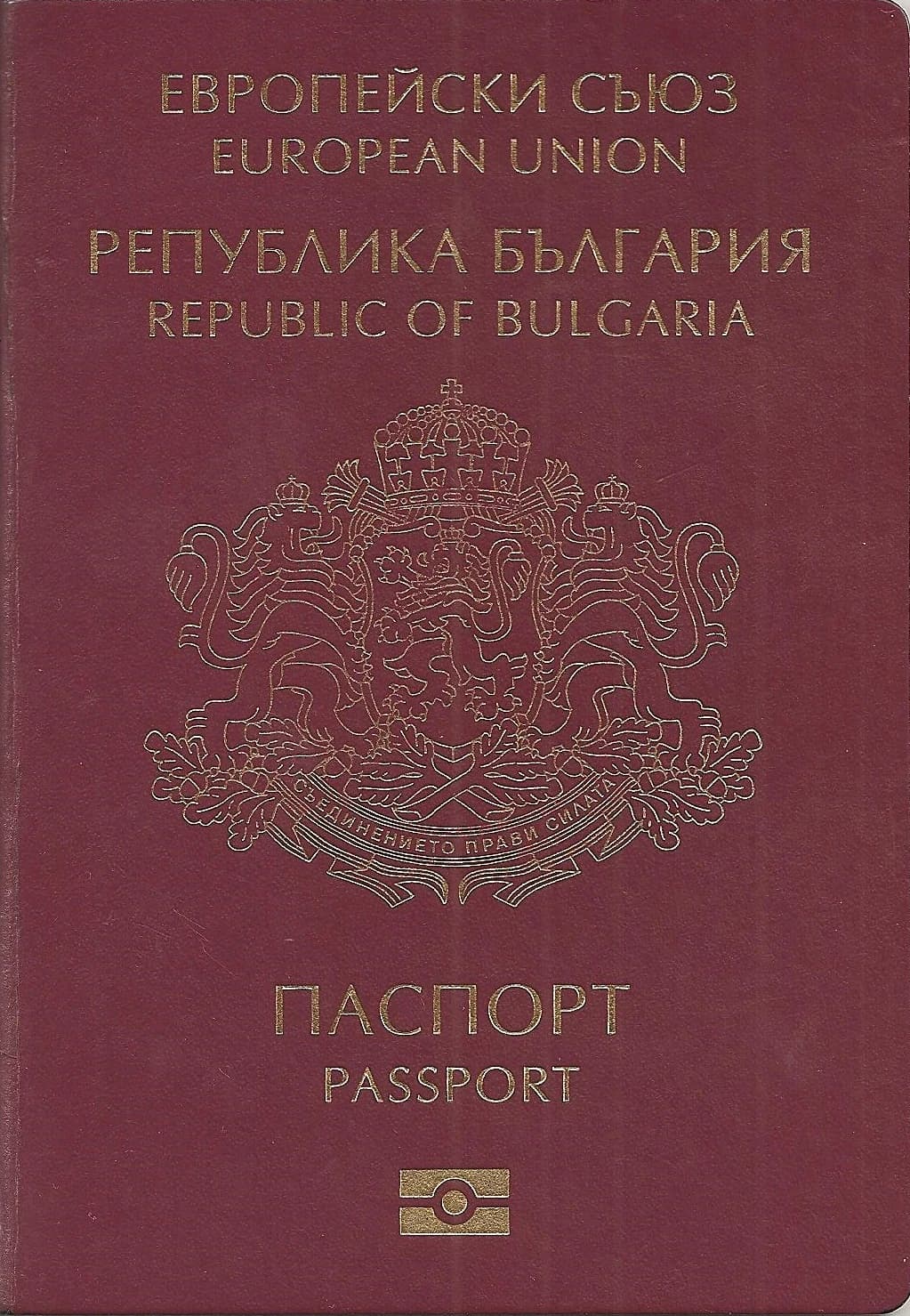
The case matters less as a single criminal matter than as a test of the state’s ability to protect public finances. The fraud, which ran for four and a half years and used thousands of fake Universal Credit claims routed through three London shops in Wood Green, exposed how quickly organised crime can exploit identity fraud, repeat applications and weak verification processes. Authorities say the gang used forged identities, fabricated pay slips, fake tenancy agreements and multiple phone numbers to keep resubmitting claims after initial rejections.
Sentiment Indicators
For taxpayers, the headline figure is stark: almost £54 million siphoned from a system that is already under political pressure. The government has said tougher anti-fraud measures should save more than £20 billion over the next five years, a pledge that will only gain credibility if enforcement can keep pace with increasingly industrialised scams. The deportations also allow ministers to argue that immigration status will be tied more tightly to criminal conduct, a message aimed at deterring foreign nationals who commit fraud and reassuring voters that punishment is not limited to prison terms.
The operational details are equally revealing. Police seized more than 900 electronic devices in raids in 2021, along with £750,000 in cash hidden in a suitcase under a bed and other luxury goods bought with the proceeds. Five Bulgarians were convicted and sentenced last year to between three and eight years in prison, while two remain in Britain and are still facing deportation proceedings. The case highlights how benefit fraud, money laundering and identity theft now overlap, forcing authorities to coordinate criminal, immigration and financial investigations more closely.
For investors, the direct market impact is limited, but the broader policy signal matters. Sterling has shown little immediate reaction, with the pound recently trading around $1.32 and technically sitting near its 50-day and 200-day moving averages, suggesting the case is not a macro driver on its own. Still, a tougher UK stance on fraud and welfare abuse can influence the political backdrop for fiscal policy, public-sector spending and immigration enforcement, all of which shape perceptions of UK governance and, indirectly, risk sentiment toward British assets.
The bigger question is whether the state can turn high-profile prosecutions into durable savings. If it can, the fraud crackdown becomes a small but meaningful support to the public finances. If it cannot, the UK will keep fighting an expensive cat-and-mouse game in which organised criminals adapt faster than the systems meant to stop them.
| Entity | Gains | Losses |
|---|---|---|
| UK Treasury | ▲Lower welfare leakage | ▼Higher enforcement costs |
| British government | ▲Political credibility | ▼Exposure if fraud persists |
| Fraudsters | ▲None | ▼Prison, deportation |
| UK taxpayers | ▲Potential savings | ▼Past losses from benefit abuse |