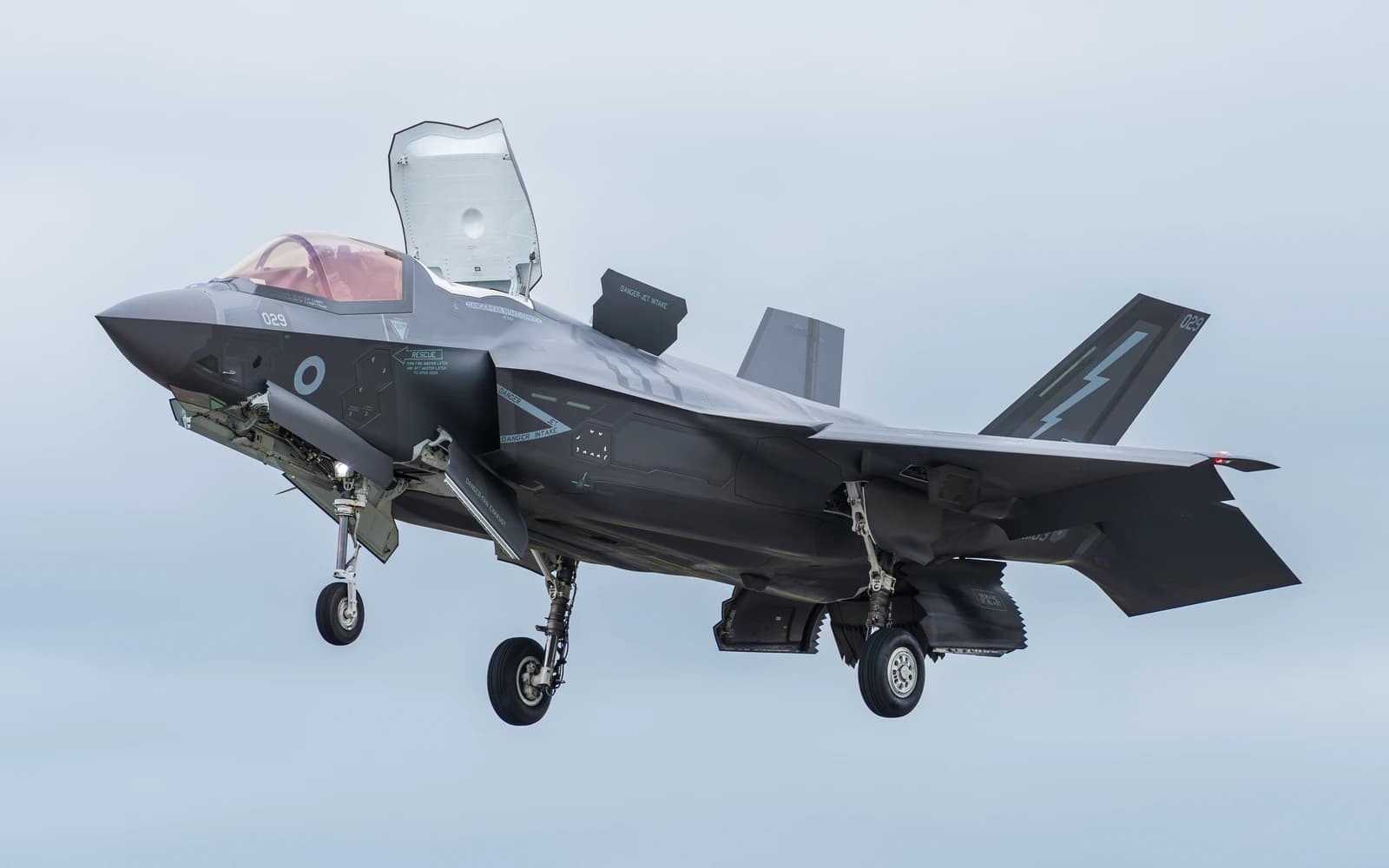
Turkey is signaling that its long-frozen F-35 fighter jet dispute with Washington may finally be moving toward a deal, a shift that would reshape a critical piece of the NATO alliance and open the door to a major defense procurement that has been stalled for years.
Turkey, U.S. Discuss F-35 Deal Progress
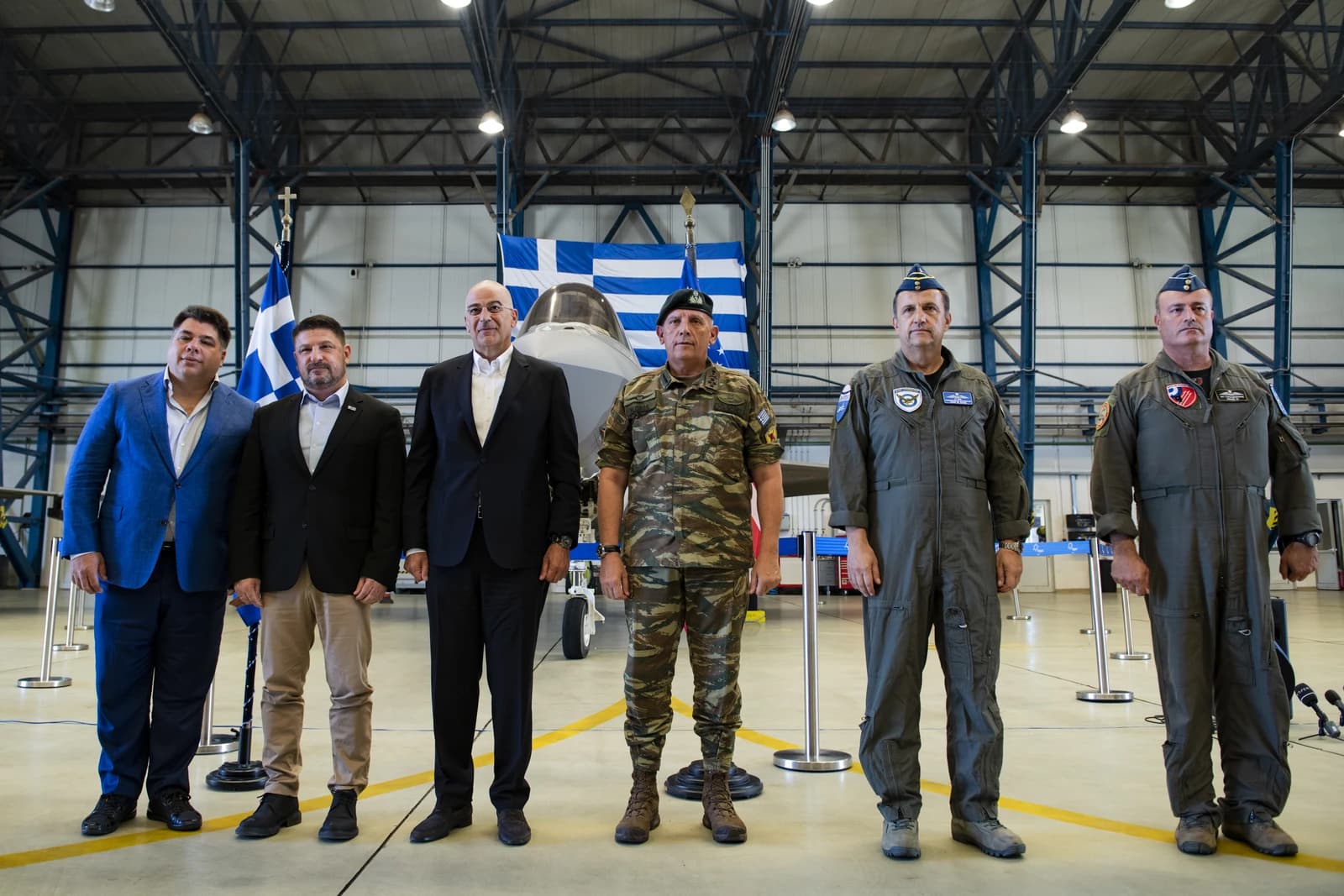
Turkish Deputy Defense Minister Alpaslan Kavaklioglu said in Washington that Ankara and the United States were in “very intensive” contact over the first six F-35 aircraft and that both sides were making progress on the issue. His comments matter because the F-35 fight has been one of the clearest symbols of how badly relations deteriorated after Turkey’s purchase of Russia’s S-400 air defense system triggered US sanctions under CAATSA and knocked Ankara out of the program.
Sentiment Indicators
For investors, the significance is not just diplomatic. A thaw could eventually benefit the supply chain around the F-35 and the broader US defense ecosystem, including Lockheed Martin, which builds the jet, and suppliers tied to fifth-generation aircraft, avionics and mission systems. It also reinforces the durability of US defense demand at a time when allies are rearming and NATO members are under pressure to spend more. If Turkey returns as a customer, that would add another long-cycle source of orders in a program already central to Western airpower.
The immediate catalyst is Kavaklioglu’s claim that meetings with Pentagon officials were “very productive” and more positive than expected. He spoke on the sidelines of the USA 2026 defense expo, where top global defense firms and military officials are gathering, giving the remarks extra weight because they were made in a setting built around procurement and industrial ties rather than pure diplomacy.
Turkey’s message is also economically important because it suggests both governments may be looking for a practical off-ramp from a years-long standoff. That matters for NATO cohesion, for U.S.-Turkey military cooperation and for defense contractors watching whether political obstacles can be translated into orders. Even so, any deal would still require concrete steps on both sides, and the CAATSA sanctions remain the obstacle that investors need to watch most closely.
Shares of Lockheed Martin and Northrop Grumman have both been volatile in recent months, but the broader investment case for defense remains anchored in rising geopolitical risk, sustained modernization budgets and a multiyear replacement cycle for aging aircraft and missile systems. Turkey’s comments do not guarantee an order, but they do keep alive a scenario in which one of the alliance’s most complicated defense relationships turns back into a source of demand.
For long-term investors, that is the real takeaway: the F-35 program remains a strategic asset, and even incremental progress with Turkey is worth watching because defense procurement deals rarely happen quickly, but when they do, they can support years of revenue and cash flow.
| Entity | Gains | Losses |
|---|---|---|
| Lockheed Martin | ▲Potential F-35 demand | ▼Ongoing program uncertainty |
| Turkey | ▲Access to advanced fighters | ▼Cost of unresolved sanctions |
| US defense suppliers | ▲Longer-order backlog | ▼Delays from diplomatic friction |
| CAATSA hardliners | ▲Less leverage | ▼Easing sanctions risk |