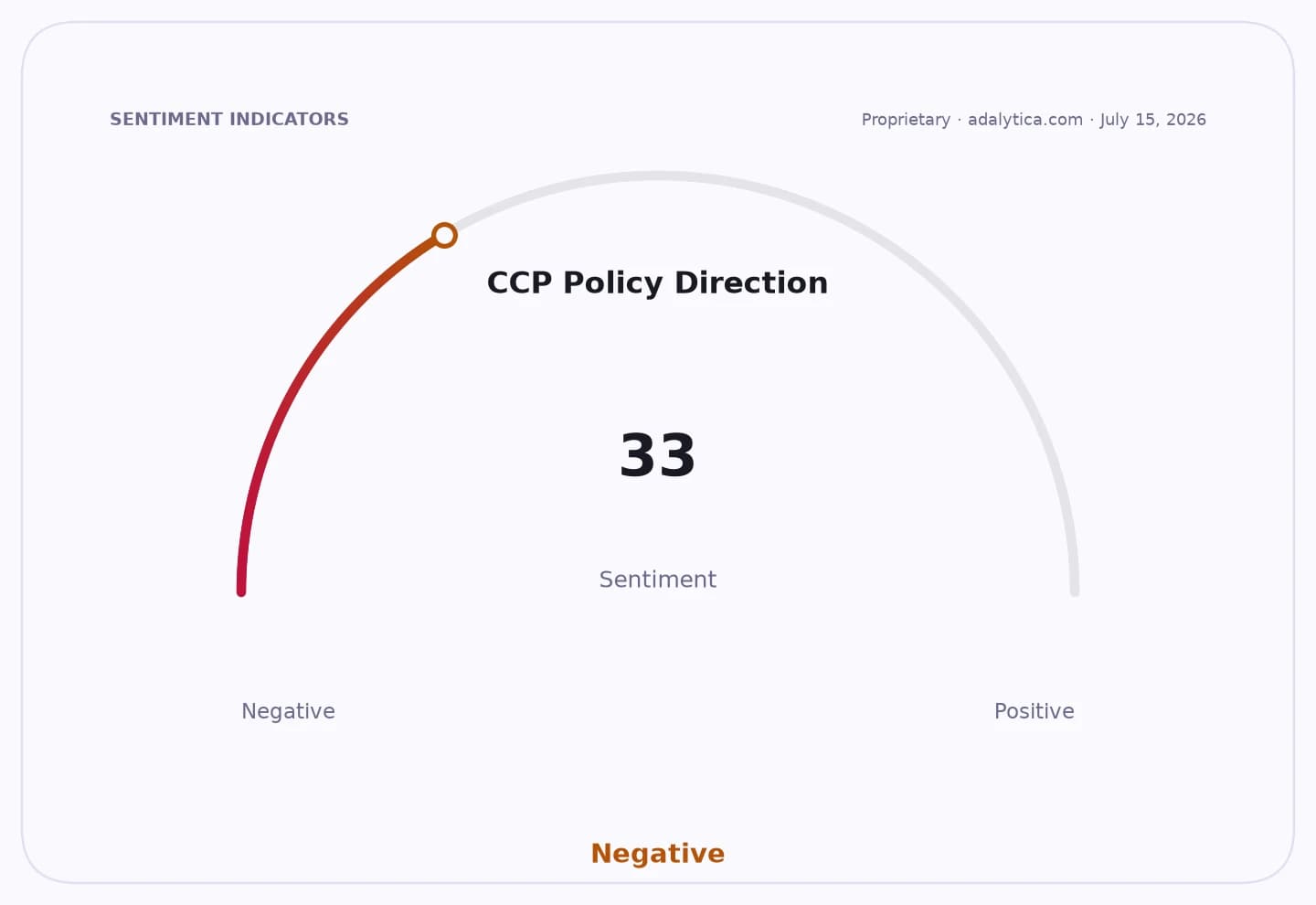
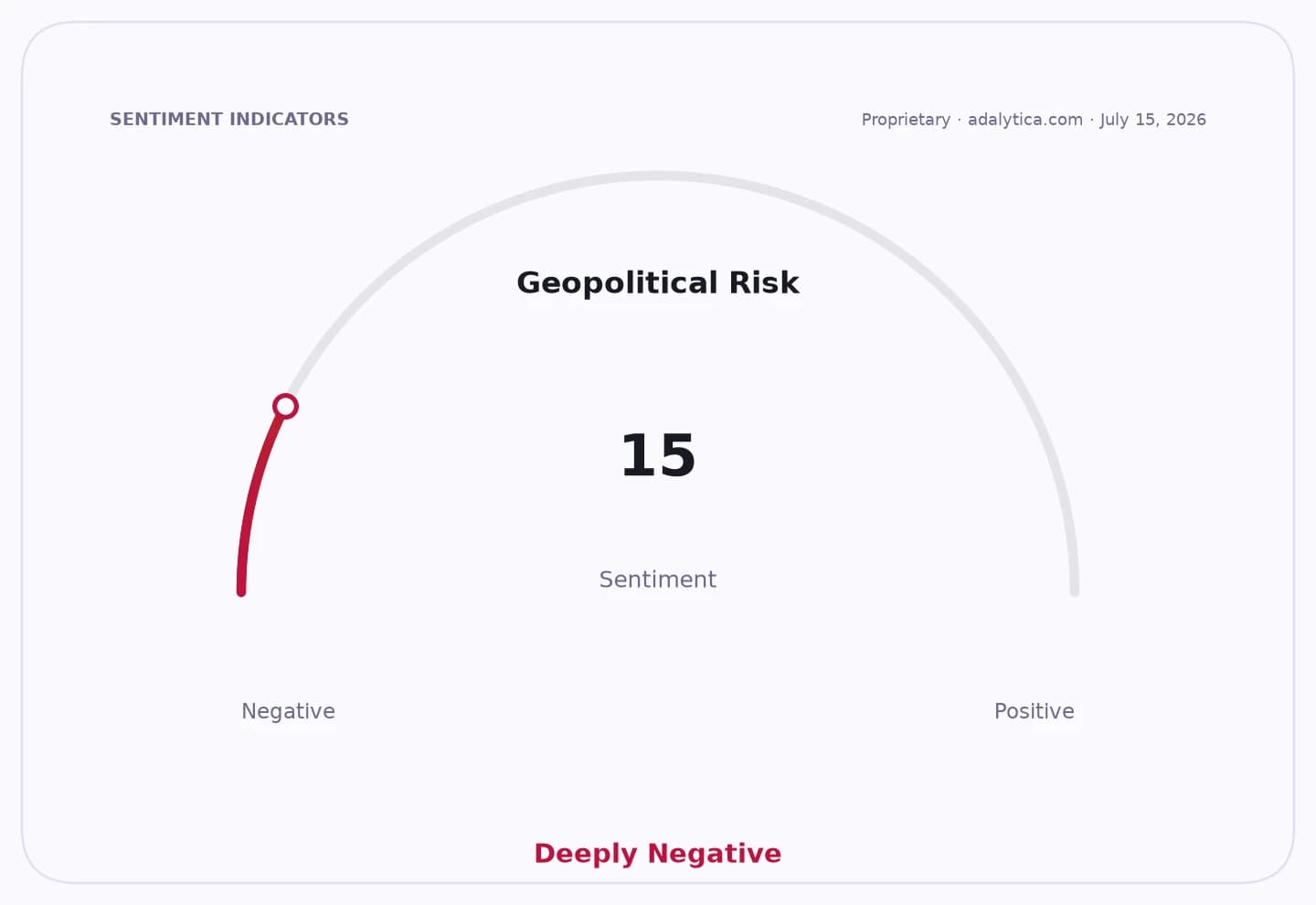
Turkey’s parliament speaker said Ankara supports Ukraine’s territorial integrity and wants a peace deal that both Russia and Ukraine can accept, underscoring how little room there is for a breakthrough even as the war drags on and diplomacy stays frozen.
Turkey Reaffirms Support for Ukraine Peace Deal
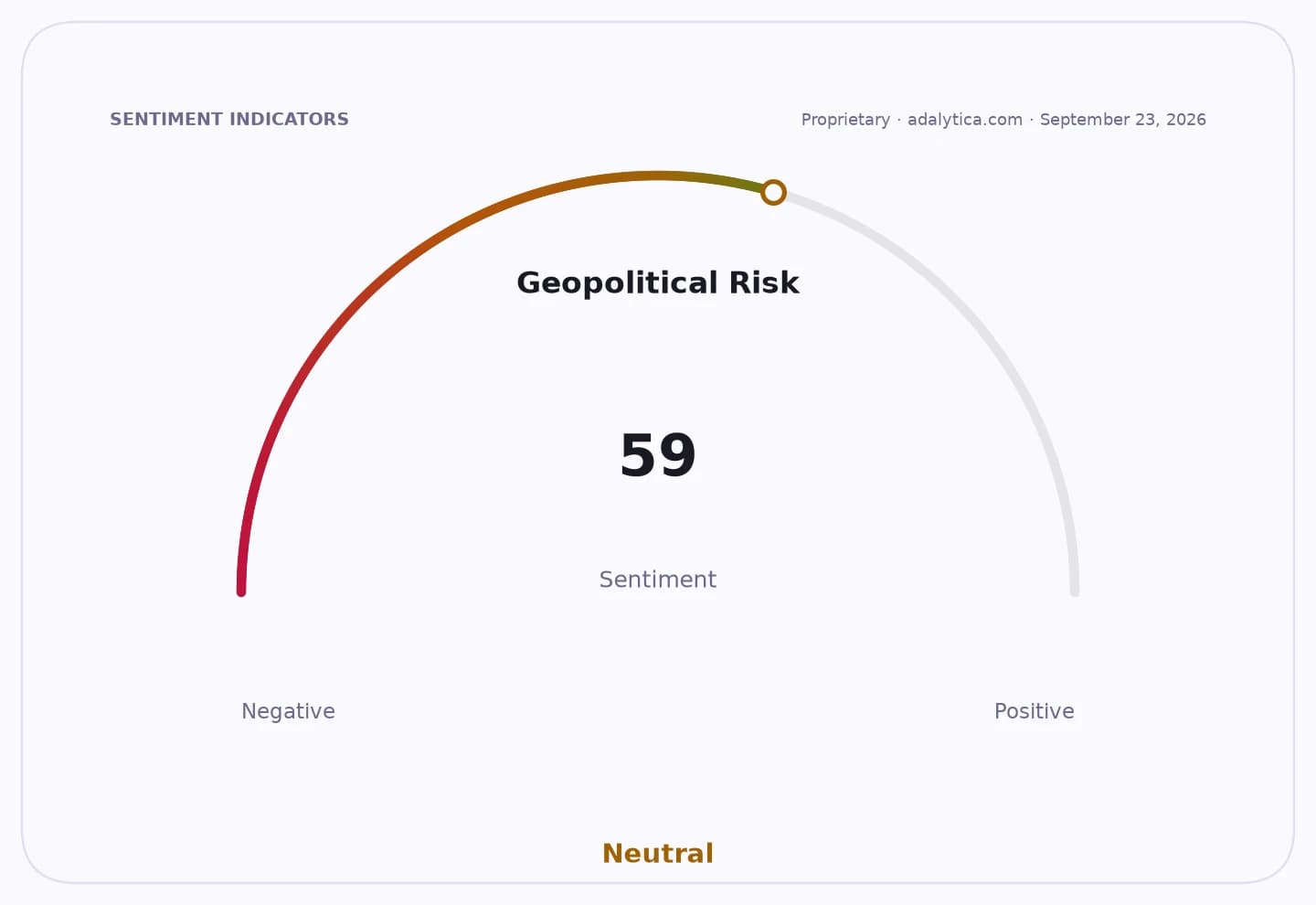
That matters because Turkey sits at a critical junction between NATO, Russia and the Black Sea economy. Any shift in Ankara’s posture can affect grain exports, energy flows, regional security and the broader risk premium on assets tied to Eastern Europe and the Black Sea corridor. For investors, the message is less about a near-term ceasefire than about a conflict that remains structurally unresolved, with sanctions, military spending and supply-chain rerouting likely to stay in place.
Speaker Numan Kurtulmus made the comments at a media iftar event, saying Turkey supports Ukraine’s territorial integrity and favors a “lasting, just peace” acceptable to both sides. The language is familiar, but its value lies in what it does not say: there is still no sign of a diplomatic formula that can bridge Moscow’s demands, Kyiv’s red lines and Western sanctions policy.
That aligns with the broader backdrop. Russia has dismissed the chances of a peace deal after fresh U.S. sanctions, while Ukrainian President Volodymyr Zelenskiy continues to push Washington for tougher pressure on Moscow. Moscow says Europe and Ukraine are not serious about a settlement; Kyiv and its allies say Russia is buying time. The result is a negotiation framework with no obvious landing zone.
For markets, the implication is that war-related dislocations remain a durable theme rather than a short-lived shock. Defense spending, energy security, logistics diversification and Black Sea risk management remain the obvious beneficiaries. The losers are any assets still priced for a fast normalization in regional trade, shipping and agricultural flows.
Turkey’s position also matters because Ankara has tried to keep channels open to both sides while preserving its own strategic leverage. That balancing act supports Turkey’s role as a diplomatic intermediary, but it also means investors should not expect a dramatic policy pivot that would quickly unlock de-escalation.
The trade remains the same: stay exposed to the winners from a prolonged geopolitical fracture, and treat any headline about peace talks as tactical unless it is backed by verifiable concessions from both Moscow and Kyiv. Until then, this is a market where the beneficiaries of instability are still better positioned than the names betting on a quick settlement.
| Entity | Gains | Losses |
|---|---|---|
| Turkey | ▲Diplomatic leverage | ▼Pressure for decisive alignment |
| Defense contractors | ▲Sustained spending | ▼Peace-driven pullback |
| Energy and logistics firms | ▲Route diversification demand | ▼Normalized trade flows |
| Ukraine peace hopes | ▲Supportive rhetoric | ▼Real negotiation progress |