Turkey will cut the remaining housing debt of TOKI borrowers by 25% for those who settle in full between Sept. 22 and Oct. 19, a policy move that eases household balance-sheet pressure while accelerating cash collection for the state housing agency.
Turkey TOKI cuts housing debt 25% for early payers

The measure matters because it turns a routine repayment campaign into a targeted debt relief scheme for 228,000 households still paying for homes bought from TOKI, Turkey’s state-run mass-housing agency. For borrowers, the discount lowers the cost of becoming debt-free at a time when household affordability remains under strain and sentiment on debt stress is weak. For the state, it improves near-term collections and may help clean up receivables without expanding direct budget spending as much as a cash subsidy would.
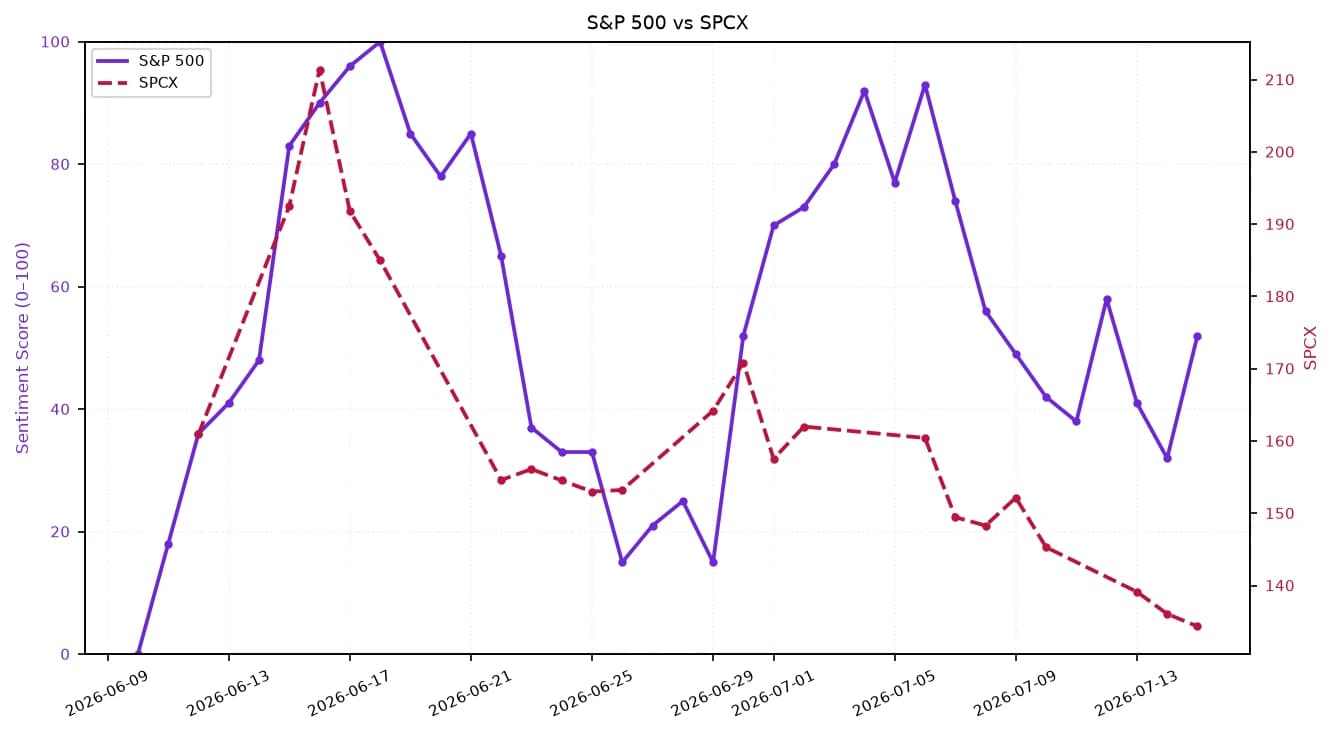
Sentiment IndicatorsⓘProprietary · adalytica.com · September 20, 2026
This is a snapshot — live sentiment, awareness and momentum for 130+ markets update continuously in the dashboard.Open AlphaPulse
Kurum said borrowers who cannot clear the full balance will still receive the 25% discount if they pay at least 25% of the outstanding principal. That broadens the reach of the program beyond cash-rich households and increases the odds of participation, though the final take-up will depend on how many families can mobilize liquidity in a high-inflation, high-rate environment.
The policy also fits Ankara’s broader urban-renewal push. Kurum tied the announcement to an Istanbul housing draw involving 1,642 units and said 2.7 million independent units have been brought under transformation plans nationwide, with half of those in Istanbul. That reinforces the government’s view that housing policy is not just social policy but also a tool for disaster resilience, especially in a country still living with earthquake risk.
For investors, the announcement is less about TOKI itself than about what it says on household cash flow, public-sector priorities and consumer credit behavior. Adalytica’s credit-card usage sentiment stands in fear territory, while household debt-stress awareness remains extremely low, suggesting fragile consumer conditions and uneven visibility into repayment capacity. Any policy that improves household solvency can support payment discipline, but it can also be read as a sign that pressure on balance sheets is persistent enough to warrant state intervention.
The timing is important. By setting a one-month window, the government is effectively creating an incentive event that could pull forward payments and generate a one-time boost in collections. The bullish case is that the program clears legacy debt, reduces arrears and supports the housing balance sheet without a large fiscal outlay. The bearish case is that it highlights affordability strain and may encourage borrowers to wait for future concessions, especially if similar discounts become a regular feature of the housing system.
What matters next is the participation rate and the scale of cash collected during the campaign. If uptake is strong, the measure will be viewed as a relatively efficient debt-resolution tool. If it is weak, it will suggest that household liquidity remains tight and that discounting alone cannot fully resolve the pressure in Turkey’s housing finance system.
| Entity | Gains | Losses |
|---|---|---|
| TOKI / Treasury | ▲Faster collections | ▼Forgone interest revenue |
| Borrowers who can pay | ▲Lower debt burden | ▼Upfront cash outlay |
| Cash-strapped households | ▲Partial relief option | ▼Still face liquidity strain |
| Housing policy credibility | ▲Support for urban renewal | ▼Risk of future discount expectations |