Trungnam has moved a major step closer to building Vietnam’s Ca Na LNG power project after signing a contract with Italy’s Ansaldo Energia to supply gas turbines and related equipment for a plant that is budgeted at nearly $2.2 billion.
Trungnam signs turbine deal for Ca Na LNG plant
The deal matters because it shifts the project from planning into the harder part of execution: locking in the core technology for a 1,500-megawatt plant that is expected to generate about 9 billion kilowatt-hours a year and enter service in 2030. In a power system increasingly reliant on wind and solar, Vietnam needs flexible generation that can ramp up and down quickly when renewable output swings. A modern combined-cycle gas plant is one of the few dispatchable options that can do that at scale.
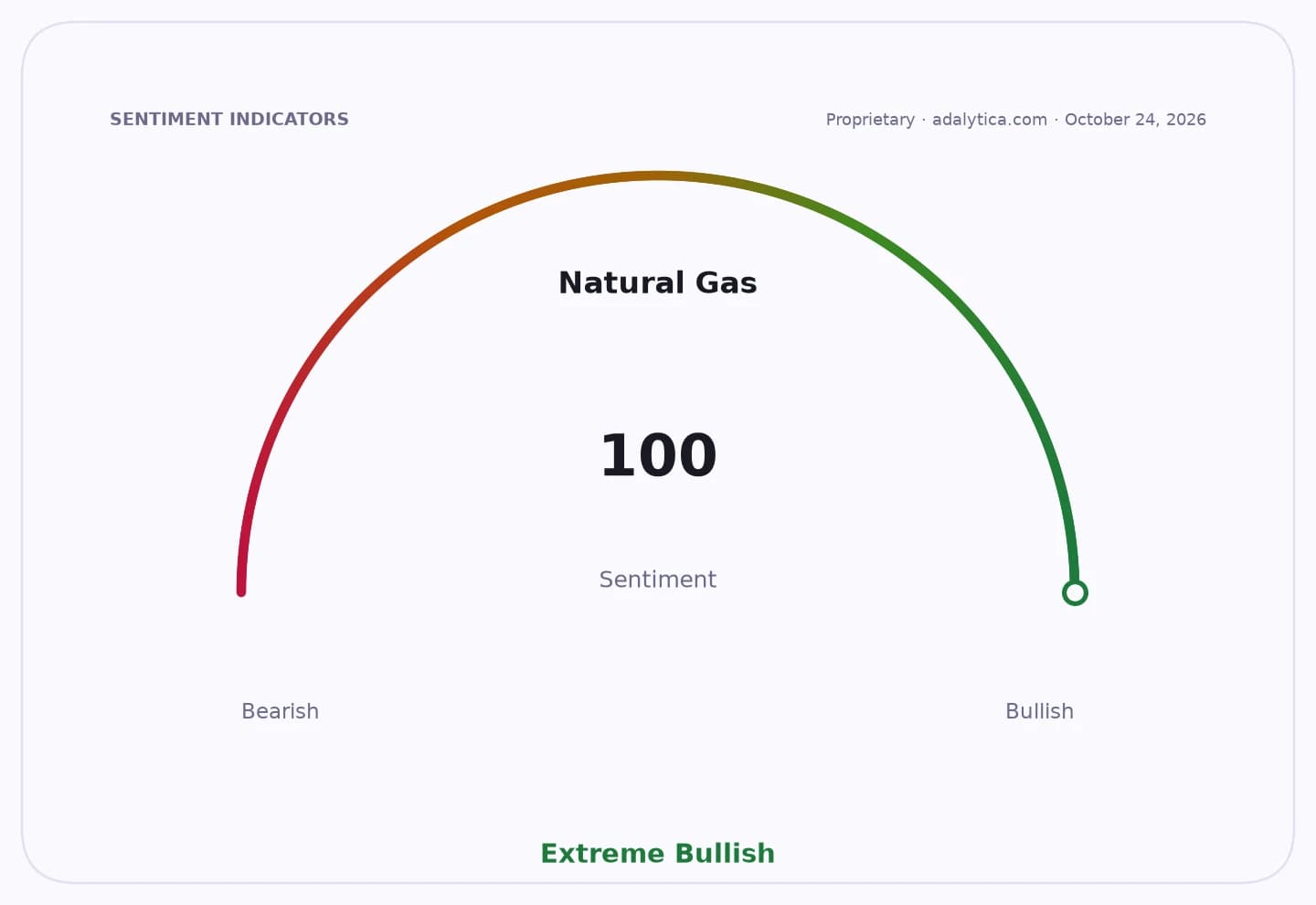
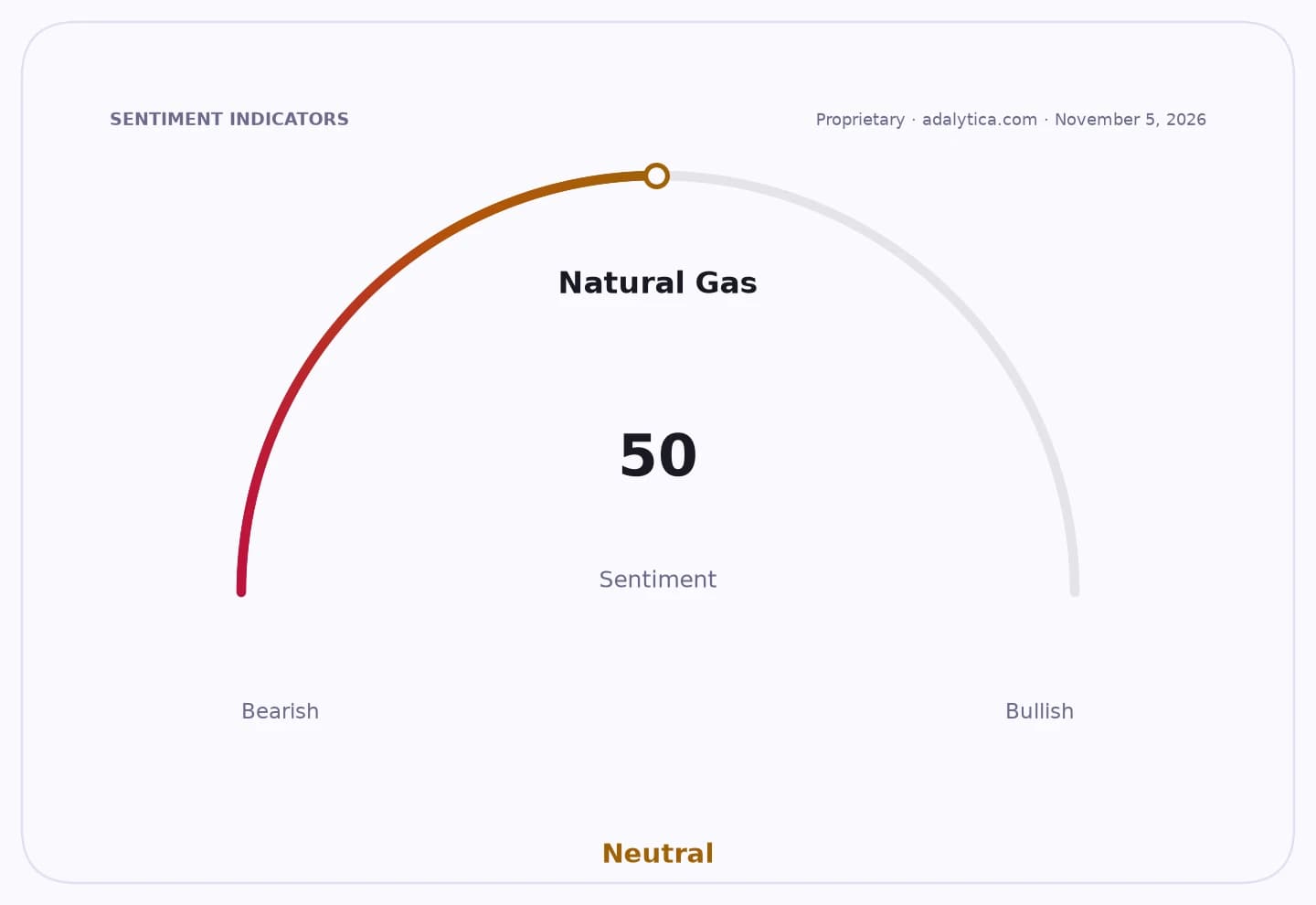
Sentiment Indicators
For Trungnam, the contract is a signal that it is assembling the pieces for what would be one of its most important thermal projects and widening beyond its base in renewables and transmission. The company already has 1.63 gigawatts of projects connected to the national grid, and the Ca Na project would mark a deeper push into gas-fired power and LNG infrastructure. It is also the first project selected through an international tender under Vietnam’s revised Power Plan VIII, which gives the deal policy weight as much as commercial significance.
Ansaldo will supply two GT36 H-class gas turbine sets, generators and auxiliary systems. The GT36 uses sequential combustion technology, which is designed to keep efficiency high both at full load and partial load while reducing nitrogen oxide emissions. That flexibility matters in a grid where solar and wind penetration is rising and system operators need plants that can stabilize supply without burning excess fuel.
The timing is also shaped by a tight global turbine market. Demand for large power-generation equipment has strengthened as countries build more gas-fired capacity and as data centres linked to artificial intelligence add to electricity demand. That has strained manufacturing capacity and lengthened delivery schedules across the industry. For project developers, securing a supplier early can be as important as financing, because delays on key equipment can push back commercial operation and increase costs.
The broader supply chain is still being stitched together. Trungnam also signed a memorandum of understanding with Shanghai Electric to work on the steam-cycle equipment for the project, including steam turbines, heat recovery boilers, condensers and auxiliary systems. Together, the agreements cover the major components of a combined-cycle plant and suggest the developer is trying to reduce execution risk well before construction peaks.
For investors, the deal is a read-through on several fronts. It supports the case for firms positioned to benefit from Southeast Asia’s gas-to-power buildout, and it reinforces the view that LNG infrastructure remains a long-cycle investment theme despite volatile fuel prices and shifting energy policy. It also highlights the tension at the heart of the transition: renewable growth is making flexible gas capacity more valuable, not less, because grids still need firm power when the sun and wind fail to cooperate.
The bull case is that Ca Na becomes a model for how Vietnam can add reliable capacity without undermining its clean-energy ambitions, while giving Trungnam a new growth platform in gas. The bear case is familiar for large energy projects: turbine supply bottlenecks, permitting complexity, cost inflation and execution slippage could still delay first power well beyond the current 2030 target.
If Trungnam can keep the equipment program on schedule, the project would add a large block of dependable generation to Vietnam’s grid at a time when industrial demand is rising and the country is under pressure to secure more stable electricity supply.
| Entity | Gains | Losses |
|---|---|---|
| Trungnam | ▲Project progress | ▼Execution risk |
| Ansaldo Energia | ▲Large equipment order | ▼Delivery pressure |
| Vietnam grid | ▲More firm power | ▼LNG dependence |
| Renewable-heavy system | ▲Backup flexibility | ▼Higher thermal reliance |