Trump said the number of media outlets denied access to the White House could be expanded, a move that would escalate his long-running battle with the press and sharpen the economic stakes for companies that depend on political coverage, advertising reach and access-driven journalism.
Trump White House access talk and media stocks

The immediate issue is not just a clash over press freedom. It is a question of who controls the flow of political information in an election-heavy environment, and that matters because media access can shape audience behavior, brand exposure and the pricing power of news organizations. For investors, any widening of restrictions raises the odds of more volatility for traditional media groups already fighting structural declines in linear viewing and print ad revenue.
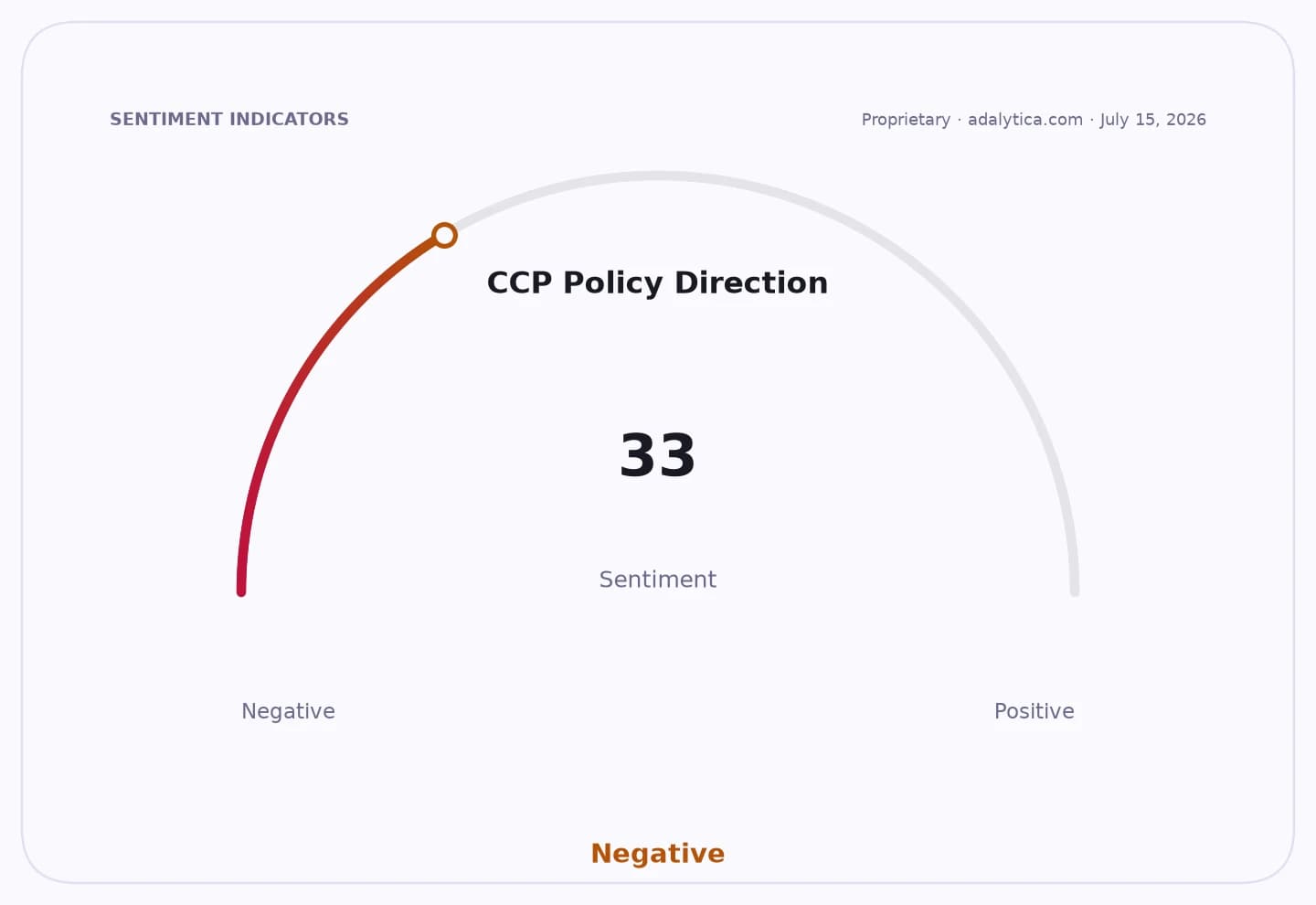
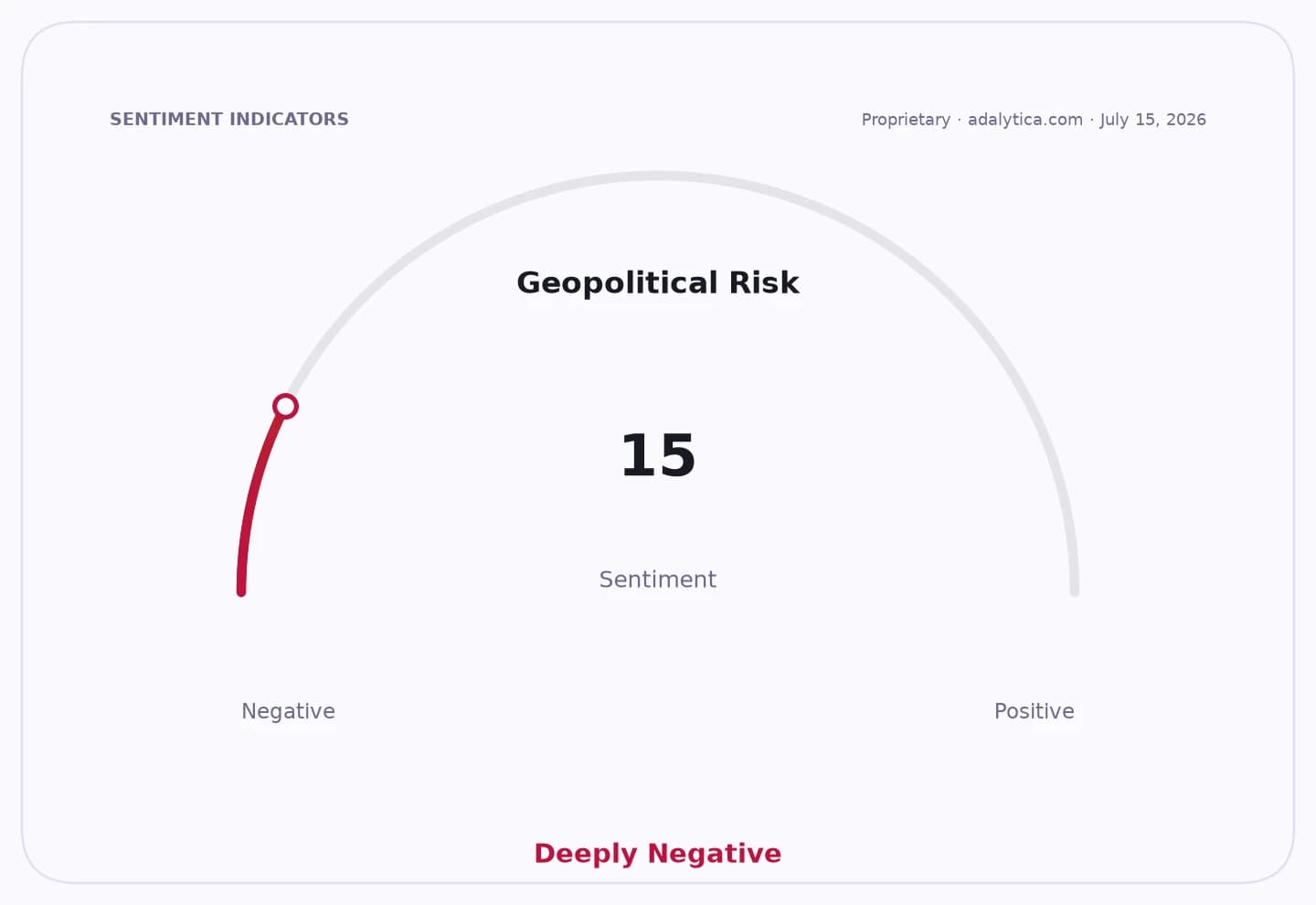
Sentiment IndicatorsⓘProprietary · adalytica.com · September 21, 2026
This is a snapshot — live sentiment, awareness and momentum for 130+ markets update continuously in the dashboard.Open AlphaPulse
The market has already shown how quickly media stocks can become tradeable political proxies. News Corp. shares have climbed to about $29.82, above both its 50-day average near $29.10 and its 200-day average around $26.32, even as momentum indicators cool from recent highs. That suggests investors still see value in the broader political-news cycle, but not a clean straight line higher. Comcast, which owns NBCUniversal and is exposed to the same advertising and content ecosystem, has fallen to $22.98 from $27.06 in late August and now trades below its 50-day and 200-day averages, with RSI readings down near 21, a sign of heavy selling pressure.
This is where the second-order opportunity lies. The market often treats press conflict as noise, but the money flows through distribution, attention and political ad inventory. A more confrontational White House can intensify demand for cable news, digital subscriptions and partisan-friendly outlets while further pressuring legacy brands that rely on broad political access and institutional trust. That does not guarantee winners, but it does widen the gap between outlets with loyal audiences and those dependent on official access.
Presidential Approval vs NWSAadalytica.com
Explore this data interactively — full history, time series and cross-market comparisons.Open AlphaPulse
There is also a regulatory overhang. News organizations, broadcasters and platforms sit inside a policy environment where content moderation, access rules and political retaliation can change quickly, making forecasting harder and valuation less stable. For companies like News Corp. and Comcast, that means the real investment question is not whether a press feud makes headlines. It is whether it accelerates the migration of political attention toward more durable, subscription-backed or niche media franchises.
For investors, the actionable takeaway is to own the businesses that monetize political conflict without needing White House favor. The market underestimates how often media access fights become revenue fights, and in this setup the most resilient names are the ones with direct audience relationships, pricing power and digital distribution — not those waiting for permission to be heard.
| Entity | Gains | Losses |
|---|---|---|
| News Corp. (NWSA) | ▲Political-news demand | ▼Access-driven brands |
| Comcast (CMCSA) | ▲Cable news attention | ▼Legacy ad exposure |
| White House hardliners | ▲Message control | ▼Media relations |
| Independent digital outlets | ▲Audience migration | ▼Institutional access models |