President Donald Trump says he will slap “tremendous penalties” on U.S. companies that build artificial intelligence data centers outside the country, a threat that could reshape where Big Tech deploys one of its costliest and most strategic forms of capital spending.
Trump Threatens Penalties on Overseas AI Data Centers
The comments raise the risk that Washington will try to keep AI infrastructure onshore just as the sector is pouring billions into servers, power and land to meet surging demand. For investors, the immediate concern is that any new tax or penalty regime could make overseas expansion more expensive, slow rollout plans and complicate supply-chain strategies for the largest AI spenders.
Sentiment Indicators
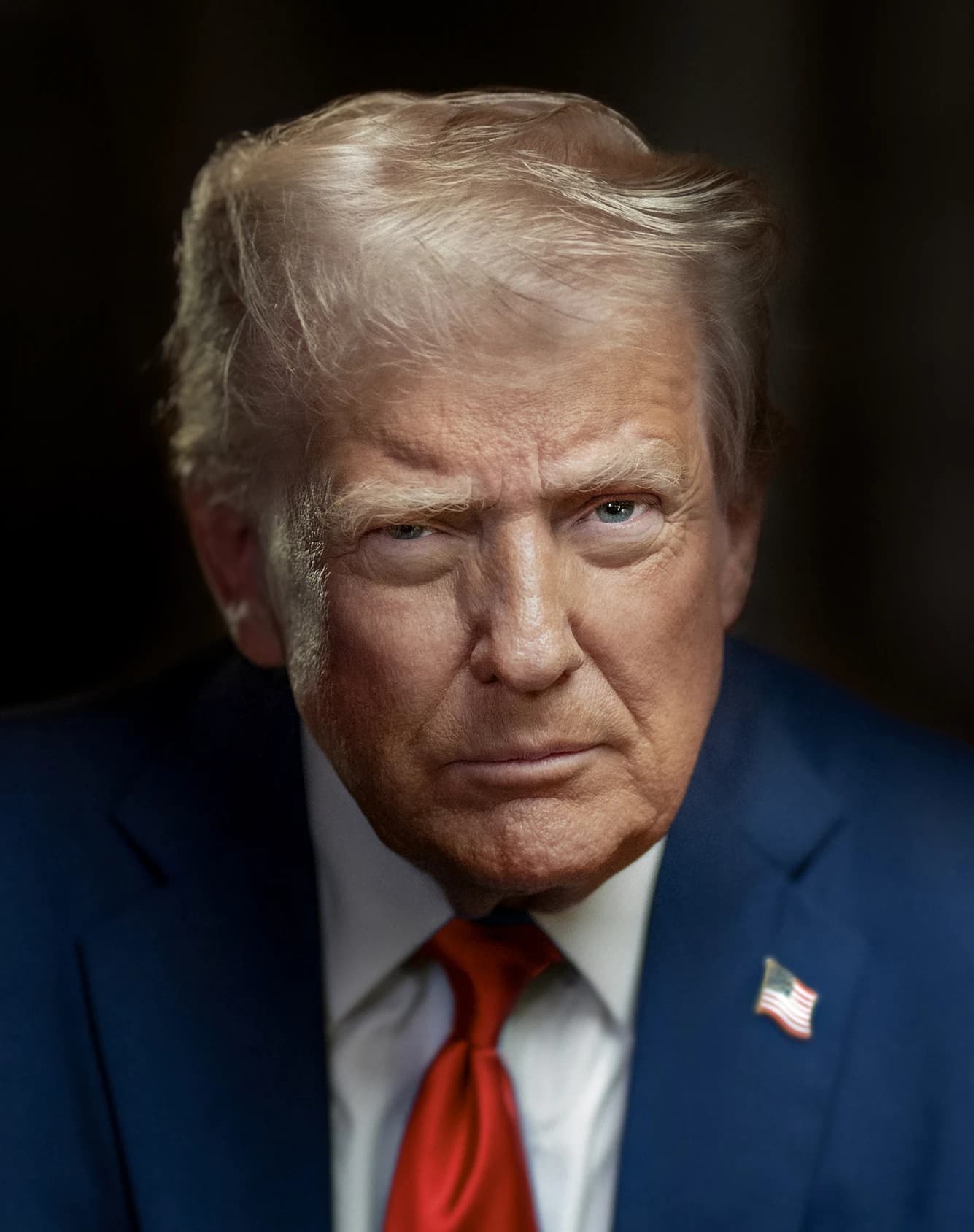
Trump said the U.S. would not allow companies to “build data centers outside of our country” and argued that letting AI infrastructure migrate abroad would repeat what he called the damage done by offshoring chips and other industries. He also said the administration would “tax any company” that tries to do it, although it is not clear how the policy would be implemented and a White House representative did not immediately comment.
The warning lands at a sensitive moment for the AI trade, which has already been under pressure as investors question the profitability and durability of the infrastructure boom. On the day of Trump’s remarks, markets were already sliding, and shares of major AI beneficiaries were weak, adding to the sense that policy risk is becoming another overhang on the sector.
Microsoft fell to $484.52 on Friday, extending a recent selloff that pushed its stock below both the 50-day and 200-day moving averages, while its RSI reading of 43.1 points to weakening momentum. Nvidia sank to $125.53, also well under its 50-day and 200-day averages, with an RSI of 13.7 — a level that underscores how sharply the chipmaker has been punished as the AI trade unwinds.
Amazon, another heavy data-center spender through AWS, slipped to $246.82, just under its 50-day average and near its 200-day line, suggesting investors are also re-rating the megacap cloud names that would be most exposed to a tighter policy on global infrastructure buildouts. Google parent Alphabet, which has disclosed tens of billions of dollars in data-center and energy-supply commitments, would also sit in the crosshairs of any crackdown.
The issue is not just corporate. Trump’s stance is a direct challenge to voters and local governments that have increasingly pushed back against large data-center projects over electricity use, land consumption and community impact. He has nevertheless made data-center construction a centerpiece of his pro-AI message, even as he argues for more domestic control over where that buildout occurs.
For investors, the main takeaway is that AI capital spending is moving deeper into the political arena. Any follow-through from the White House could influence where cloud providers, chipmakers and infrastructure suppliers place new projects, while adding another layer of uncertainty to a trade already rattled by valuation concerns and a broader market selloff.
The next market catalyst is likely to be clarification from the administration on whether the threat becomes formal policy, and whether it would apply through taxes, export restrictions or new permitting rules. Until then, the headline risk alone could keep pressure on AI-linked stocks that depend on uninterrupted global expansion.
| Entity | Gains | Losses |
|---|---|---|
| U.S. data-center builders | ▲Domestic project demand | ▼Overseas expansion plans |
| Microsoft, Amazon, Alphabet | ▲Onshore investment incentives | ▼Flexibility to build abroad |
| Nvidia and AI suppliers | ▲U.S.-based infrastructure demand | ▼Global deployment growth |
| Foreign host countries | ▲Less U.S. capital inflow | ▼Fewer AI facility projects |