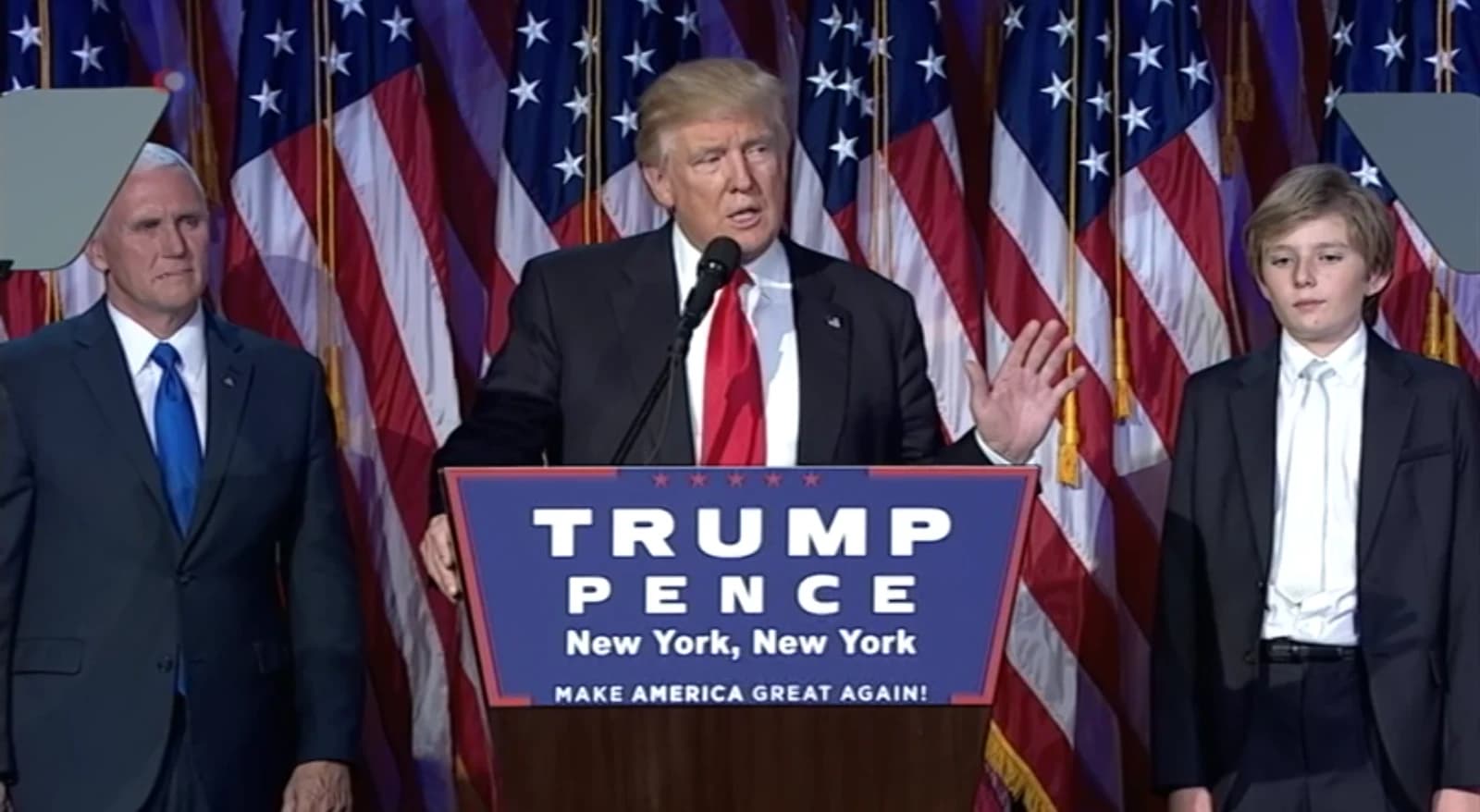
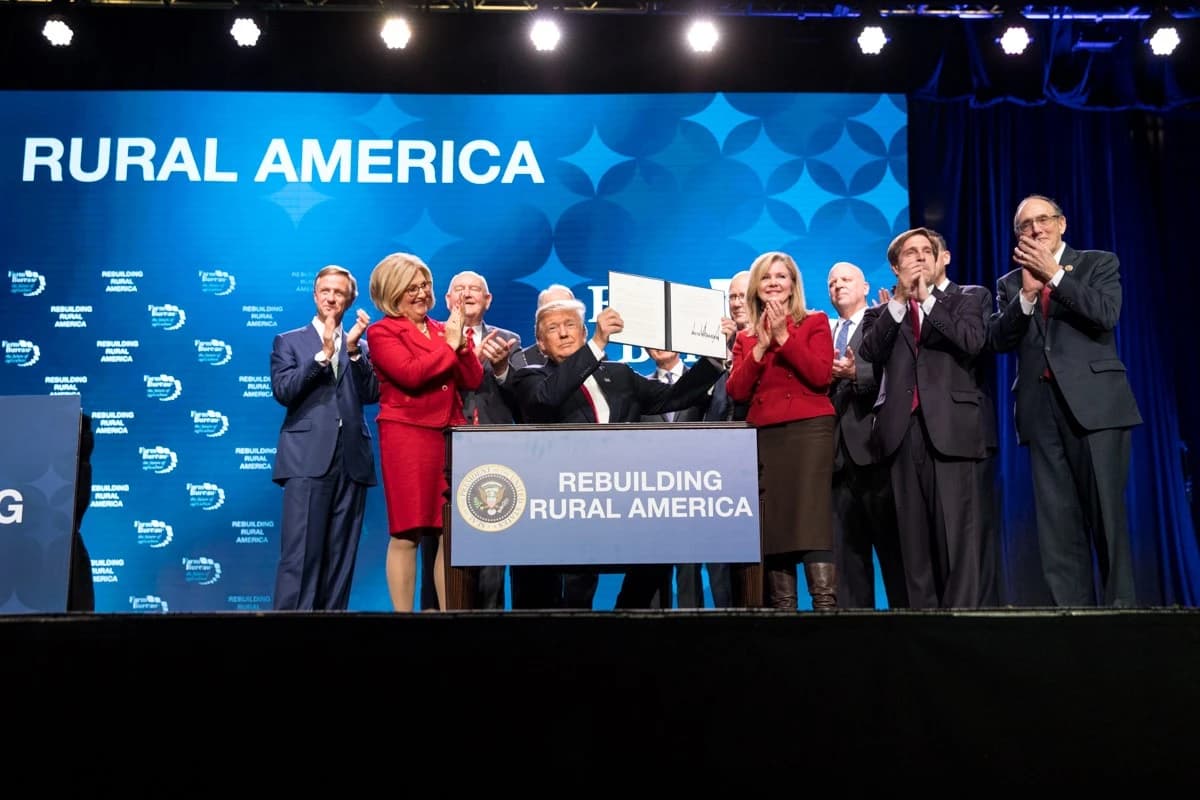
Americans are heading into the 2026 midterms with Donald Trump’s approval still deeply underwater, giving Democrats a polling edge that could strip Republicans of control of the House and possibly the Senate.
Trump Approval and 2026 Midterms Polling Update
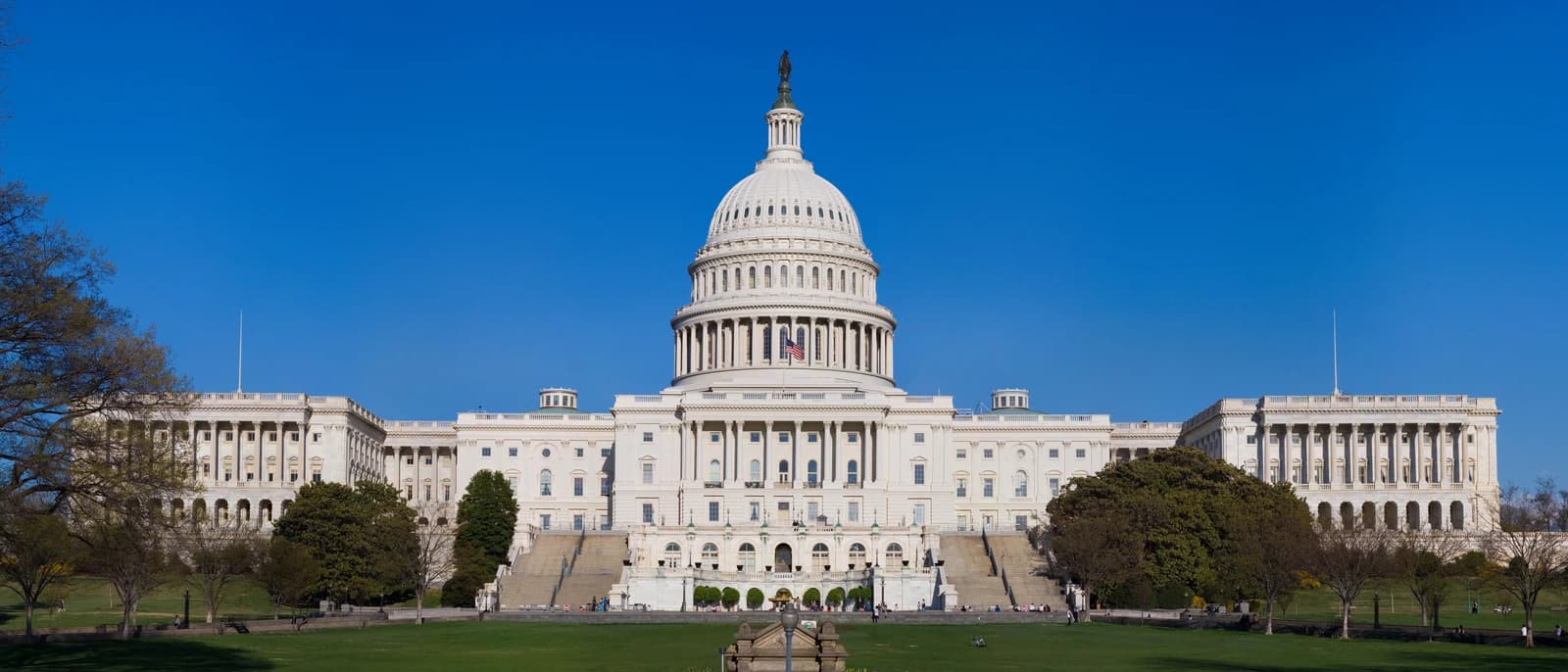
That matters because the elections are shaping up as the first major national verdict on Trump’s second term, with implications for the White House’s ability to push tax, spending and regulatory priorities through Congress over the next two years. A divided legislature would sharply curb Trump’s room to maneuver and raise the odds of gridlock on everything from fiscal policy to trade and immigration.
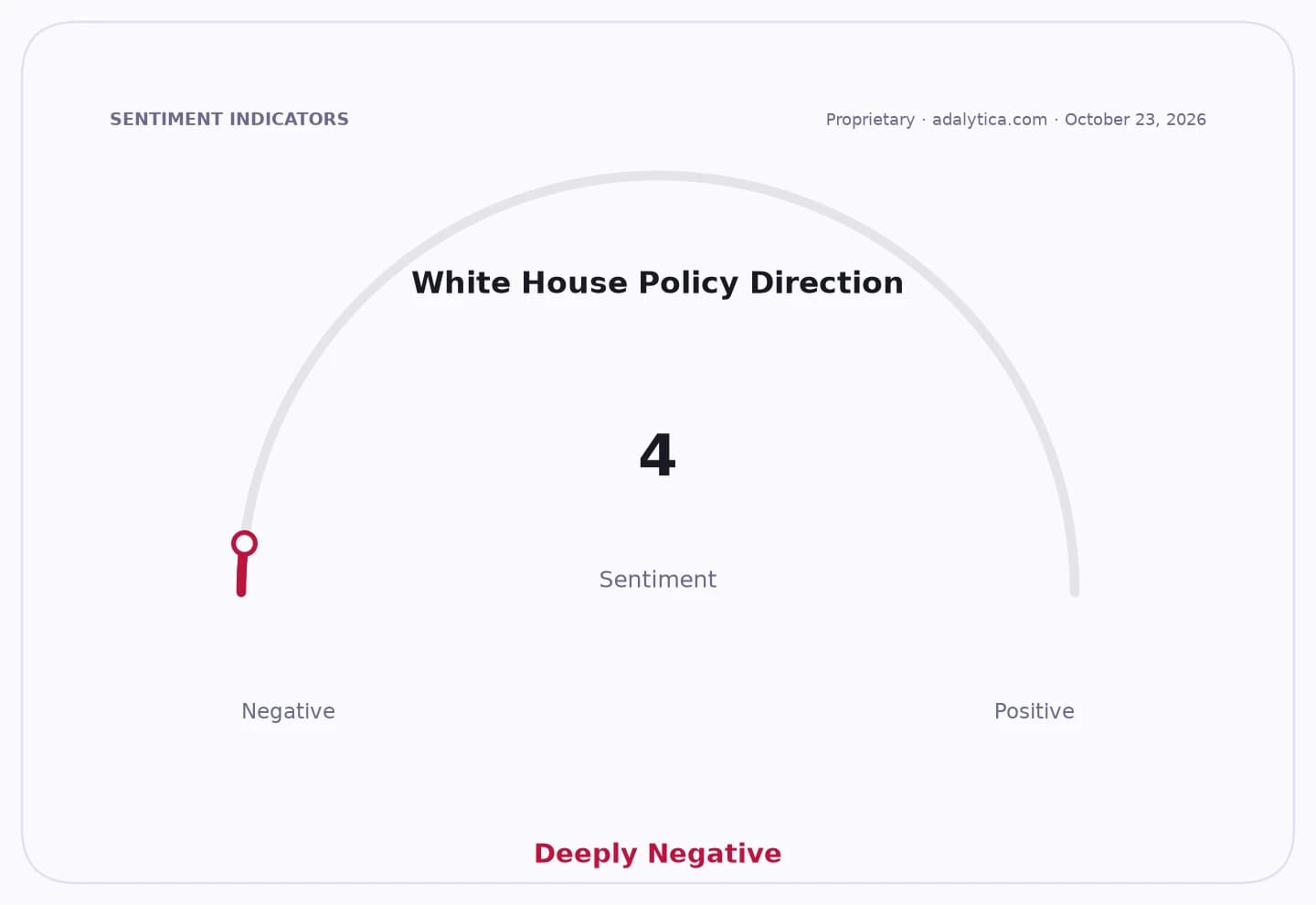
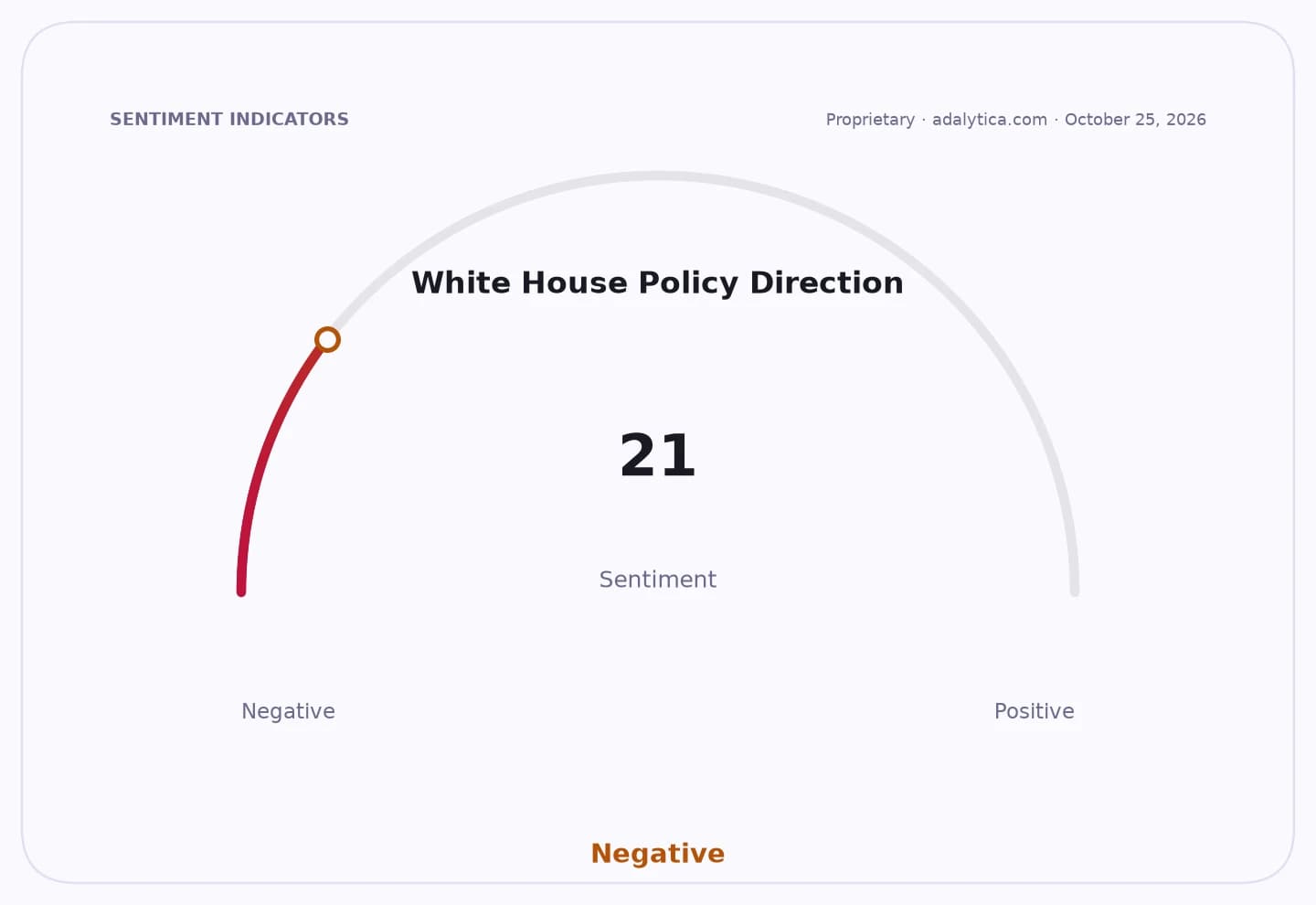
Sentiment Indicators
The most recent YouGov/The Economist survey gives Democrats a nine-point lead among registered voters, while independent voters break 59% to 27% for Democratic candidates. Trump’s favorability sits at about 38% in Nate Silver’s aggregate, versus nearly 60% unfavorable, a negative spread of 22 points. That compares with a minus-11 reading at the same point in his first term and Biden’s minus-8.8 at a similar stage in his presidency, underscoring how durable the president’s unpopularity has become.
Those numbers are translating into real electoral risk for Republicans. Decision Desk HQ is assigning Democrats a 75% chance of retaking the House and a 55% chance of taking the Senate, even though Republicans currently hold just a five-seat House edge and a 53-seat Senate majority. In a chamber where the House is fully up for election and the Senate has 35 seats on the ballot, only a modest swing would be enough to flip control of the lower chamber and potentially the upper chamber as well.
Presidential Approval vs DJTadalytica.com
Explore this data interactively — full history, time series and cross-market comparisons.
For investors, the stakes go beyond Washington theater. A Democratic takeover would increase the odds of legislative stasis and make large policy shifts less likely, while preserving Trump’s influence through executive action but reducing his ability to lock in his agenda. Markets generally prefer policy clarity, but they also price in the chance of fiscal looseness, tariff escalation and sector-specific winners and losers depending on who controls Congress.
The campaign itself is already an expensive proxy battle over that policy direction. AdImpact expects total political advertising spending to reach $11.6 billion, up from $8.9 billion in 2022 and even higher than the 2024 presidential cycle. Ohio alone is expected to attract about $750 million, highlighting how a handful of competitive contests can channel huge sums into media markets, consultants and local economies while intensifying volatility in poll-sensitive sectors.
Trump Media & Technology Group shares, tracked under DJT, underline how much the president’s political fortunes remain tied to market sentiment. The stock closed at $8.70 on Oct. 6, below its 50-day average of $9.14 and 200-day average of $9.95, with RSI readings near 54 and a slightly negative MACD, suggesting neither strong momentum nor clear technical support. For traders, that leaves the shares exposed to campaign headlines and approval trends as the election approaches.
The broader narrative is straightforward: the closer the midterms get, the more the race looks like a referendum on Trump’s standing rather than a routine congressional contest. If current polling holds, Democrats would be positioned to capitalize on his weak approval and split Congress. If Trump outperforms the surveys, it would signal that Republican turnout strength and the president’s ability to dominate the political conversation remain enough to offset the polling deficit.
Either way, the next phase of the campaign will be judged less by rhetoric than by whether Trump can reverse his underwater ratings before voters decide whether to hand him — or take away from him — the congressional margin he needs to govern.
| Entity | Gains | Losses |
|---|---|---|
| Democrats | ▲House/Senate odds | ▼Trump agenda |
| Republicans | ▲Status quo leverage | ▼Congressional control |
| Trump | ▲If turnout holds | ▼Approval deficit |
| Political ad industry | ▲Record spending | ▼Campaign volatility |