A community development nonprofit in Thomaston, Maine, has closed on the purchase of Thomaston Grocery and the 1874 Main Street building it occupies, ending months of uncertainty over the downtown market and setting up a test of whether local ownership can keep a small-town grocery financially viable.
Thomaston Grocery bought by community nonprofit
The deal matters because the store is more than a convenience stop: for older residents and people without easy transportation, it is one of the few walkable sources of food in the town center, and its loss could have pushed Thomaston closer to a grocery desert. Keeping the business open also helps sustain foot traffic for other Main Street merchants, making the purchase a local economic defense as much as a preservation effort.
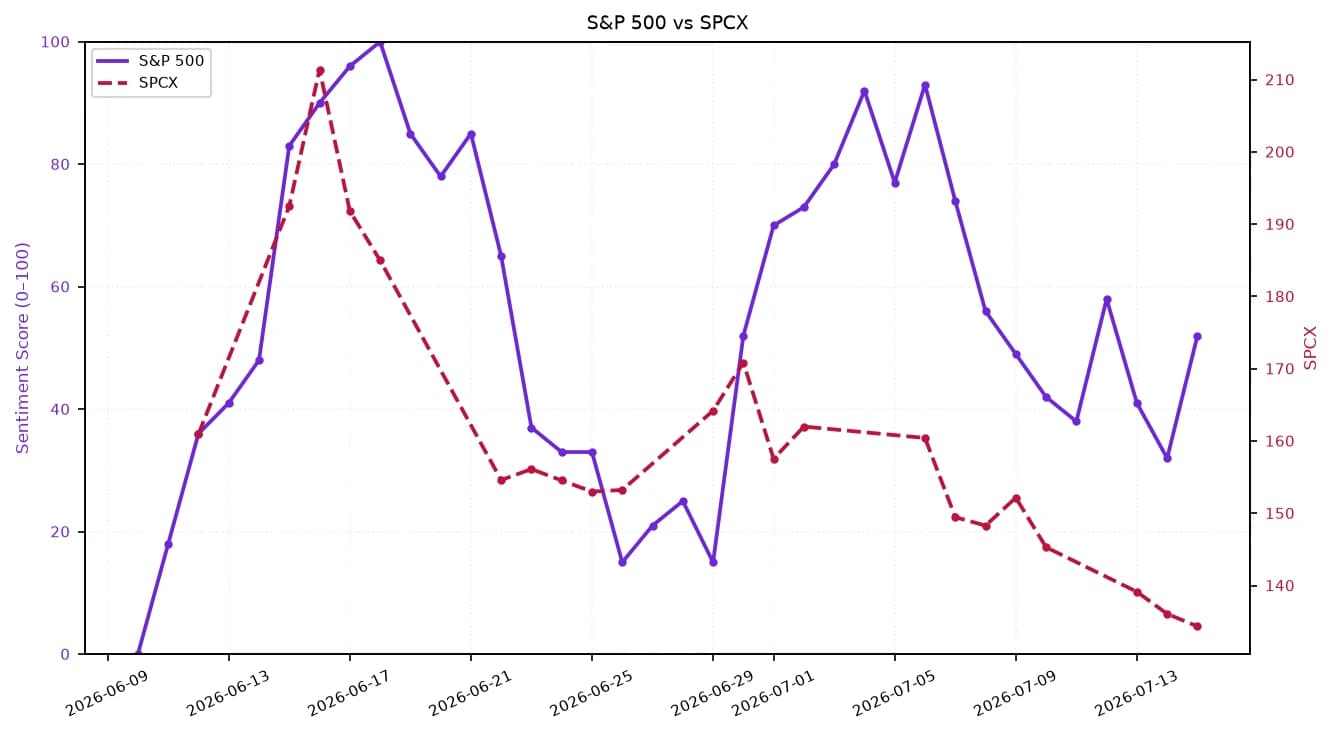
Sentiment IndicatorsⓘProprietary · adalytica.com · September 21, 2026
This is a snapshot — live sentiment, awareness and momentum for 130+ markets update continuously in the dashboard.Open AlphaPulse
The Thomaston Community Development Corporation, operating as Tommytown.org, said it completed the transaction Thursday after nearly a year of fundraising, lender outreach and financing work. The group was formed after longtime owner John Vigue decided to retire and list the property, prompting fears the first-floor retail space could be converted to another use.
The property was listed at $1.35 million in August 2025 and later cut to $989,000 in April, though the final sale price was not disclosed. Financing came from Maine State Credit Union and Coastal Enterprises Inc., a Maine nonprofit development group, along with donations from residents, businesses and organizations ranging from $20 to $20,000.
The new owners are trying to make the store work as a business, not just as a symbol. TDC has hired Kathryn Davis as general manager, kept Vigue on as a consultant, and said it will retain existing staff who want to stay while expanding hours and opening on Sundays.
The plan is to broaden inventory and improve the store’s finances without pricing out the customers who rely on it. Three of the building’s four apartments are occupied, and the nonprofit plans to fill the fourth to help cover debt service, reducing pressure on grocery sales alone.
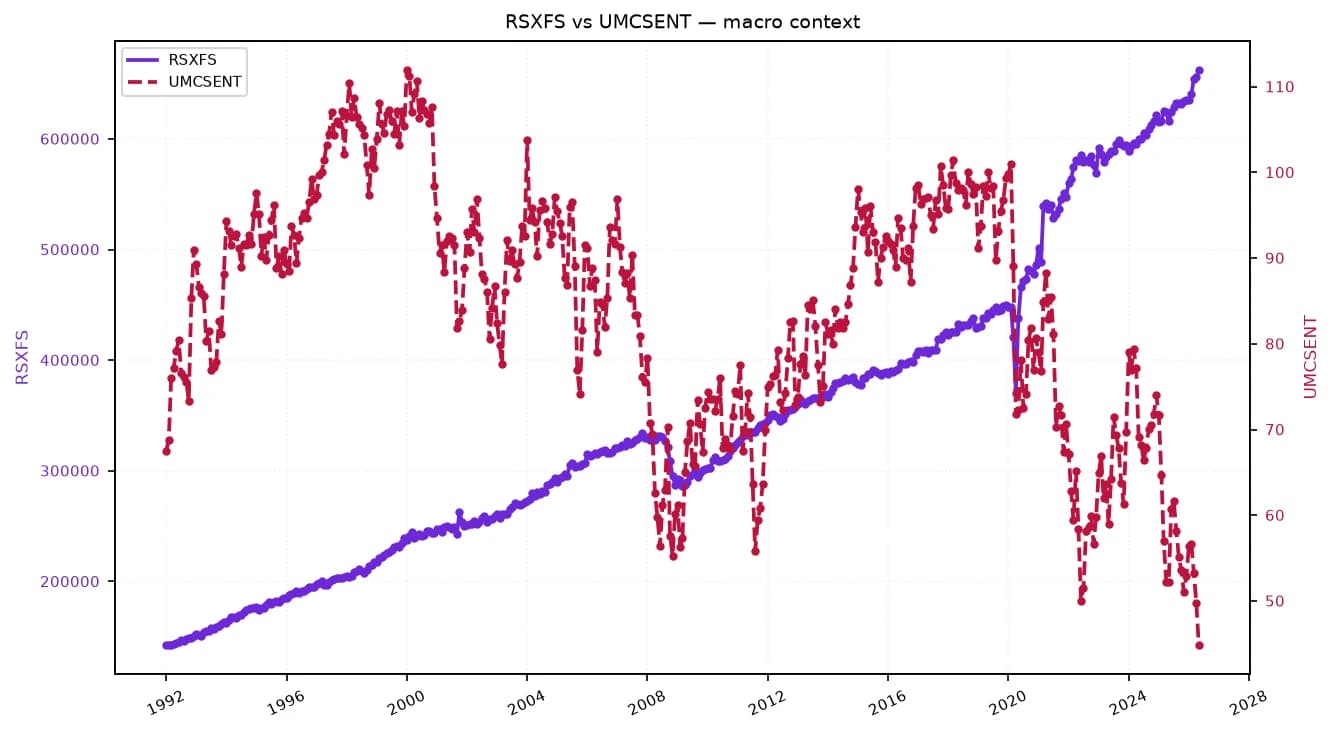
For investors and lenders, the story is a small but telling example of community-backed ownership in an environment where grocery access, affordability and neighborhood retail resilience are under strain. With consumer spending still holding up but grocery shoppers under pressure from high prices, local stores that can blend social purpose with workable margins may become more important, not less.
The next test is execution: Thomaston Grocery now has to prove that community capital can translate into steady cash flow, adequate traffic and enough margin to keep the store open beyond the symbolism of the closing.
| Entity | Gains | Losses |
|---|---|---|
| Thomaston Community Development Corp. | ▲Controls downtown asset | ▼Takes on operating risk |
| Thomaston residents | ▲Preserves nearby grocery access | ▼Face potential store changes |
| Main Street businesses | ▲More foot traffic | ▼Lose if store traffic weakens |
| Conventional buyers | ▲Missed conversion opportunity | ▼Lose control of property |