Thailand’s year-end motor show is becoming a test of whether global automakers can still drive volume with fresh model launches as the local market cools and electrification accelerates.
Thailand Motor Expo Attracts 80,000 Bookings
The Motor Expo, opening Dec. 2-13 at Impact Muang Thong Thani, is expected to draw at least 80,000 bookings and about 80 billion baht in spending, but the bigger story is how aggressively carmakers are using the event to reset lineups, protect market share and signal their next phase of competition in Southeast Asia.
For Toyota, the most closely watched name in the Thai market, the event could offer a surprise electric SUV as the group tries to widen its product range beyond conventional hybrids and pickups. Toyota Thailand has already said the new Fortuner launch has been pushed back to January 2027 because of flooding, underscoring how launch timing, not just product strength, remains a near-term variable for the region’s biggest brands.
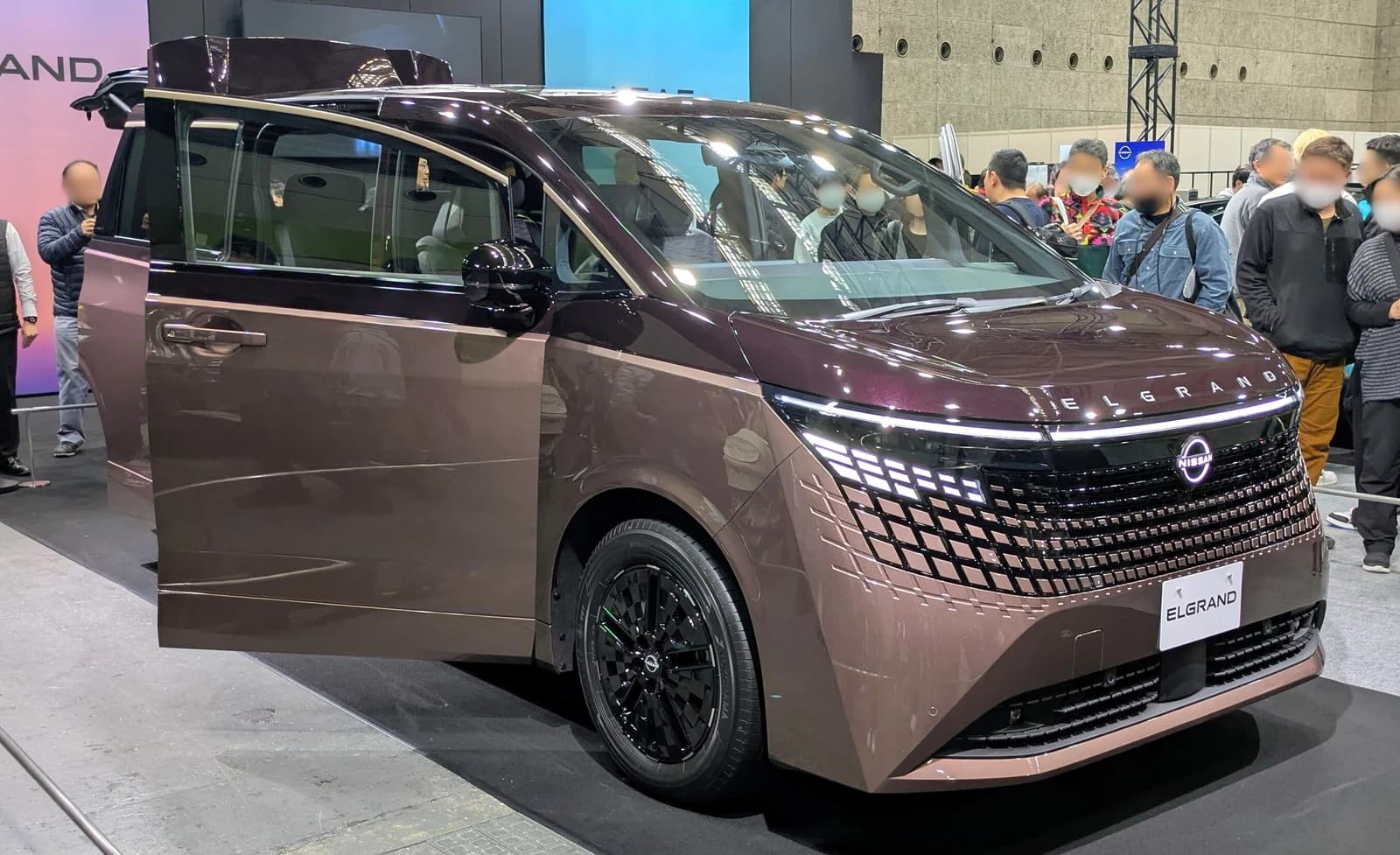
Honda is using the show to launch the Avancier, its new SUV with a next-generation hybrid system, while also introducing the HRC brand. Nissan is bringing in the imported El Grand MPV, a reminder that premium family vehicles and imported models still have room in a market increasingly defined by higher-spec, higher-margin offerings.
Ford’s decision to display the electric Bronco in Thailand is particularly significant because it is explicitly positioning the vehicle for a serious launch next year, not just brand theatre. That matters for investors because Ford’s global strategy increasingly depends on balancing capital-heavy EV development against demand that remains uneven outside core markets.
The show also highlights a broader industry shift: more than 50 brands are taking part, and more than half are Chinese, reflecting how quickly Chinese manufacturers have moved to capture share with a dense pipeline of EVs, hybrids and MPVs. That intensifies pressure on Japanese incumbents, which have historically dominated Thai roads, and raises the stakes for product cycles, pricing discipline and dealer incentives.
Honda’s U.S.-listed shares have reflected that adjustment as the company tries to defend profitability while managing EV investment and a slower transition in some markets. Ford, meanwhile, remains exposed to the same tension between EV optionality and margin discipline, while Toyota’s ability to keep launching relevant products remains central to its regional dominance.
The near-term investor takeaway is that the Thai auto market is no longer being won by scale alone. It is being won by which companies can bring credible EVs, hybrids and import models to market fast enough to keep consumers engaged and preserve pricing power.
| Entity | Gains | Losses |
|---|---|---|
| Toyota | ▲Broader EV lineup, market share defense | ▼Launch delays from flooding |
| Honda | ▲New hybrid SUV visibility, brand refresh | ▼Margin pressure from product transition |
| Nissan | ▲Premium MPV exposure | ▼Smaller scale versus rivals |
| Chinese brands | ▲Share gains, showroom momentum | ▼Pricing scrutiny and rivalry |