Tesla is preparing a fully self-driving Model Y with no steering wheel or pedals, a move that would take Elon Musk’s robotaxi vision closer to a mass-market reality and sharpen the company’s competition with other autonomous vehicle operators.
Tesla Model Y No-Wheel Robotaxi Plan
The significance is not the styling change. It is that Tesla is signalling a product architecture built around autonomy first, rather than a conventional car retrofitted for driver assistance. If Tesla can remove the wheel and pedals, it would move the Model Y from a familiar family SUV into a purpose-built driverless vehicle, expanding the addressable market beyond the two-seat Cybercab and making the company’s autonomy strategy more commercially credible.
Sentiment Indicators
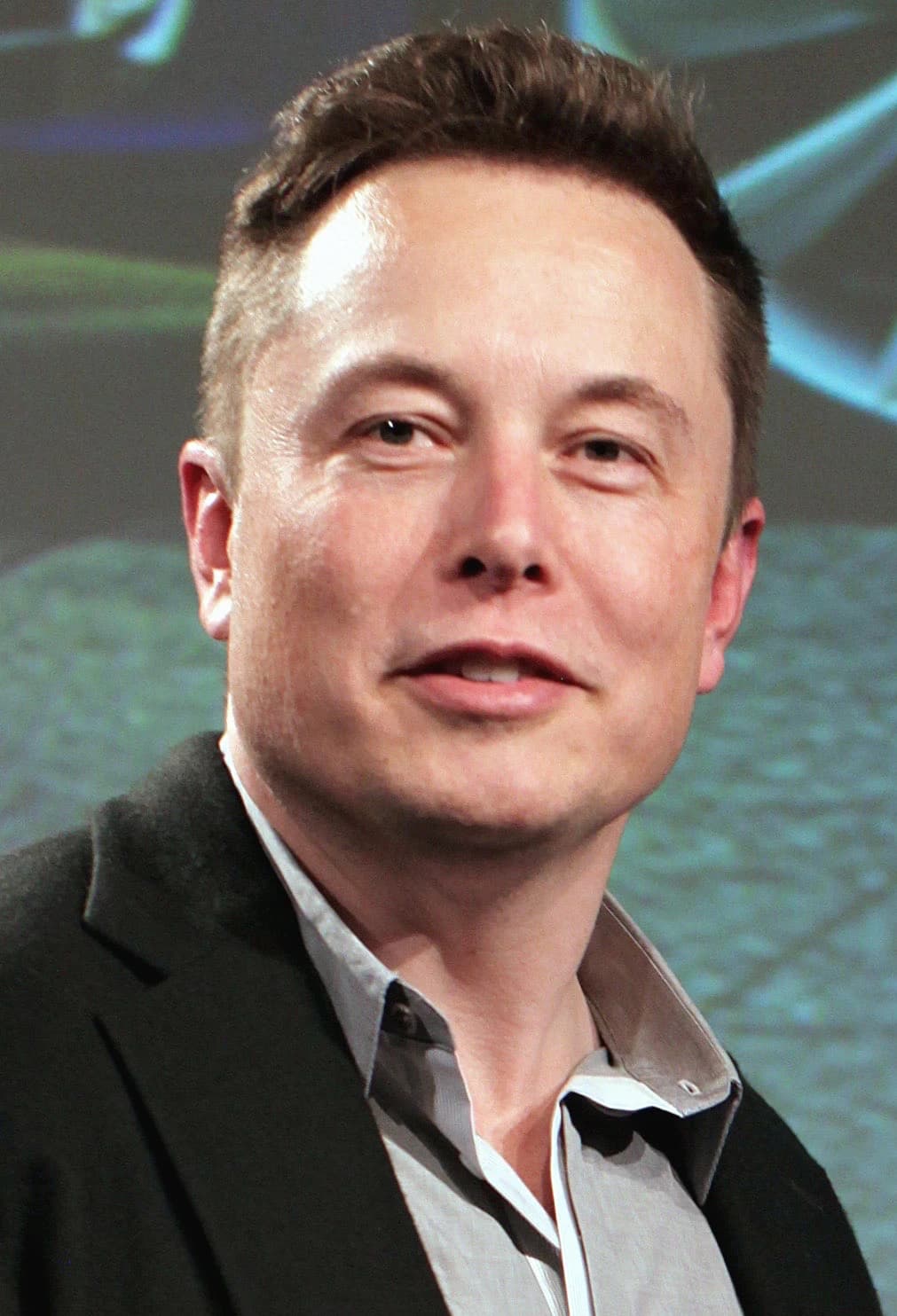
Musk said at The New York Times DealBook Summit that Tesla already uses Model Y vehicles in its US robotaxi service, though those cars still have steering wheels and pedals and carry only four passengers. He said Tesla needs larger autonomous vehicles for families and groups of six or seven people, and floated the idea of converting production toward the larger Model Y L, the stretched three-row version sold in China.
That matters because the economic logic of robotaxis depends on utilization and passenger capacity. A two-seat vehicle may suit urban point-to-point trips, but higher occupancy broadens the pool of trips that can be served, improves unit economics and gives Tesla a way to capture more of the ridesharing market. For investors, that raises the stakes of a business that has long been priced partly on autonomy optionality rather than on current auto margins alone.
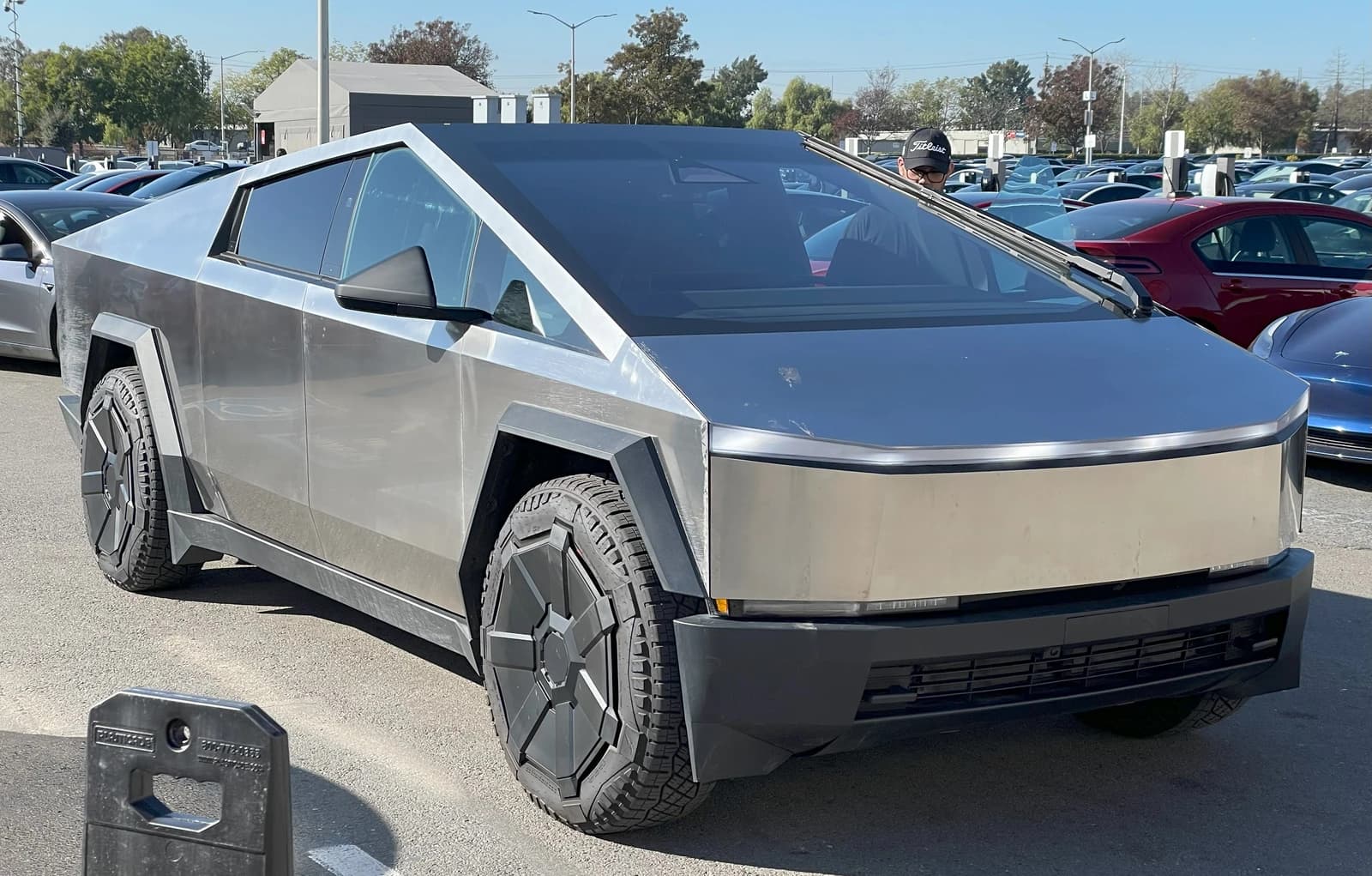
The comments also suggest Tesla is still thinking in terms of multiple vehicle formats rather than a single autonomous platform. Musk said the Cybercab, with two seats, could cover about 90% of all passenger miles, but acknowledged there is demand for larger vehicles. That leaves Tesla trying to do two things at once: build a compact, low-cost driverless car for dense urban trips, and a roomier family vehicle that can support broader consumer and fleet use.
For Tesla, the strategic appeal is clear. A no-driver Model Y would allow the company to leverage one of its highest-volume nameplates and potentially speed adoption by making autonomy feel less experimental than a brand-new vehicle class. The risk is equally clear: removing the steering wheel and pedals turns regulatory approval, safety validation and public acceptance into binding constraints, not marketing points.
The broader backdrop is still fraught for the autonomous vehicle industry. Safety scrutiny remains high after recent setbacks at rival operators, and regulators are likely to keep a tight grip on any vehicle sold without traditional controls. That means Tesla’s ambition could support the stock if investors believe autonomy is moving closer to monetization, but it also leaves the shares vulnerable if timelines slip or regulators slow deployment.
Tesla did not give a timetable for the new Model Y variant or say whether it would be sold to consumers, leaving the plan as a strategic marker rather than a launch date. Still, the direction is important: Musk is signalling that Tesla wants its bestselling SUV to play a central role in the robotaxi economy, not just the personal car market.
| Entity | Gains | Losses |
|---|---|---|
| Tesla | ▲Autonomy narrative; larger addressable market | ▼Regulatory and execution risk |
| Cybercab | ▲Product clarity for urban rides | ▼Shares attention with Model Y variant |
| Uber | ▲More autonomy use cases for platform growth | ▼Longer-term robotaxi competition |
| Legacy automakers | ▲Validation of demand for family EVs | ▼Pressure to match autonomy roadmap |