Switzerland’s long-held neutrality is colliding with a new kind of great-power rivalry, as dependence on US and Chinese AI, cloud and digital infrastructure narrows Bern’s room to maneuver.
Switzerland faces AI dependence in US-China rivalry
The issue is becoming economically and strategically important well beyond constitutional debate. Swiss policymakers and security experts say the country is increasingly exposed to pressure from both Washington and Beijing as artificial intelligence moves deeper into critical infrastructure, cyber defence and even military systems. That dependence matters because technology access now carries the same geopolitical weight once attached to energy, arms and finance: countries that control AI platforms, chips, cloud services and data flows can use them as leverage.
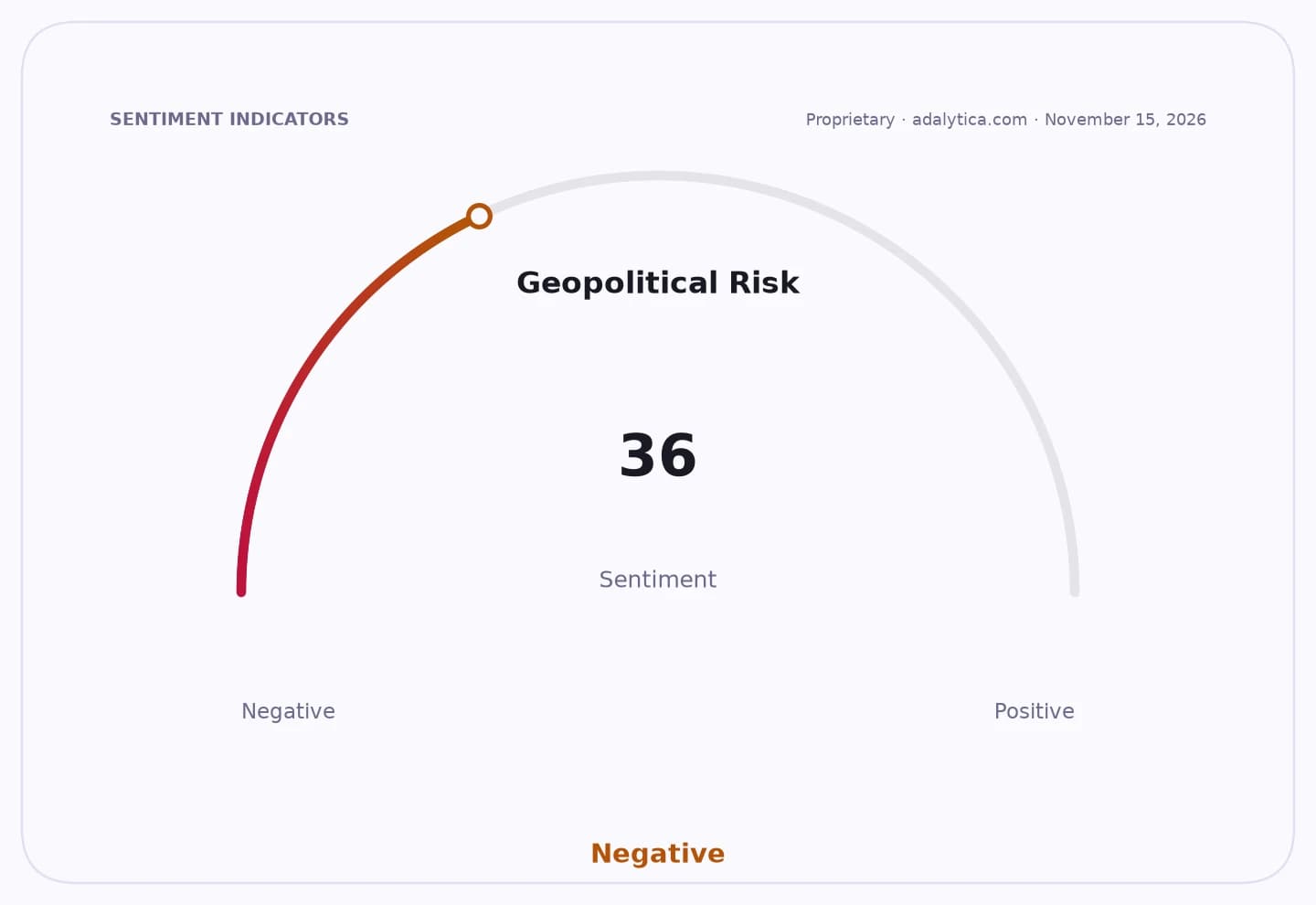
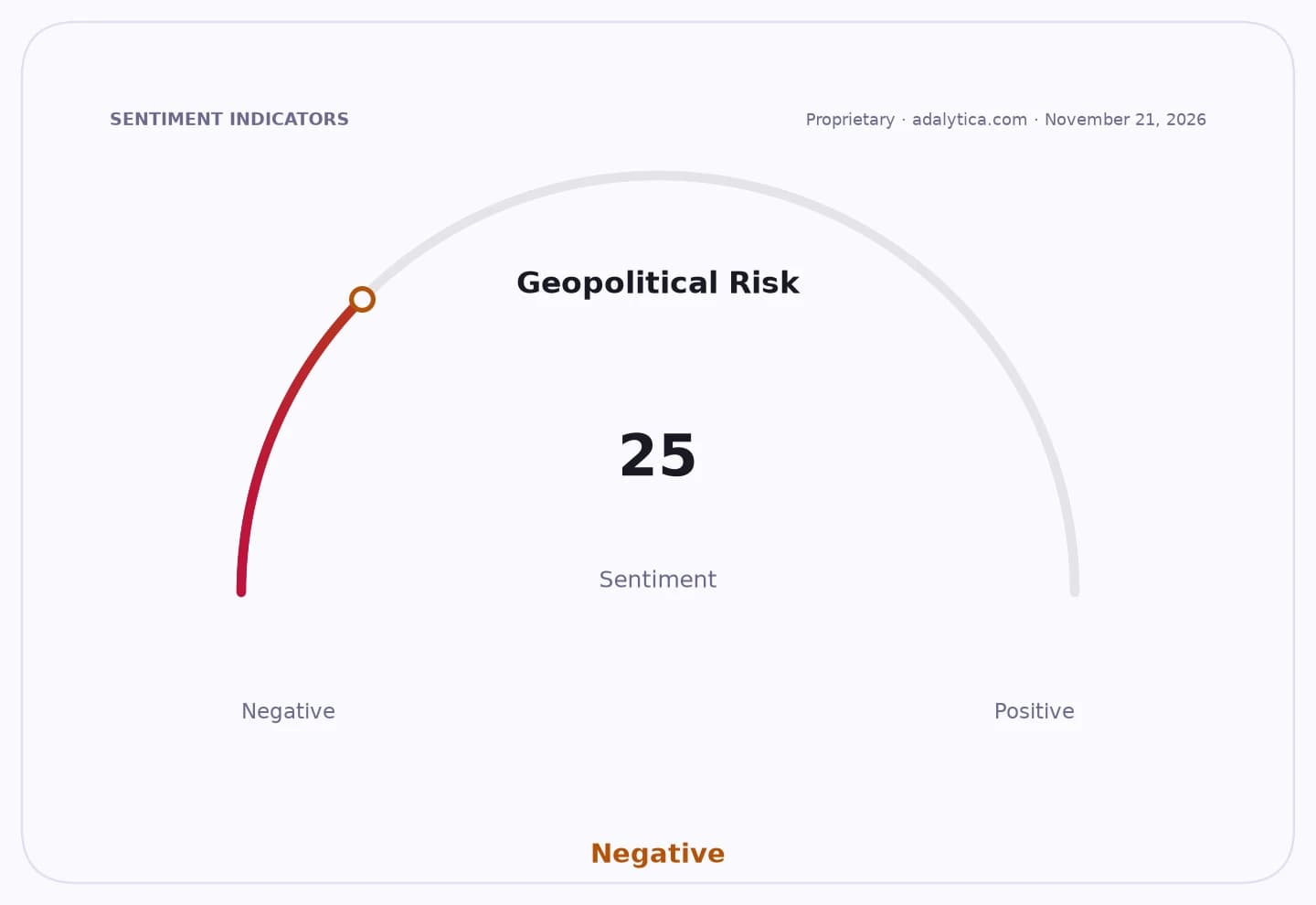
Sentiment Indicators
The timing is sensitive. Swiss voters are due on Sept. 27 to consider an initiative that would tighten neutrality by limiting sanctions on belligerent states to those approved by the UN Security Council. That would make it harder for Bern to align with Western sanctions regimes in future conflicts, including scenarios involving the US and China. The government has warned the proposal could hurt Switzerland’s economic interests and reputation by constraining its ability to respond to wars outside the UN framework.
Experts quoted in the debate argue that the more immediate challenge is not legal neutrality but strategic autonomy. Jean-Marc Rickli of the Geneva Centre for Security Policy says countries caught between the two powers risk getting “caught in the crossfire” as both sides increasingly use sanctions, export controls and technology access for geopolitical leverage. Maxime Stauffer of the Simon Institute for Longterm Governance says frontier AI is altering the balance between offensive and defensive cyber capabilities, raising the risk of miscalculation as autonomous systems become more capable.
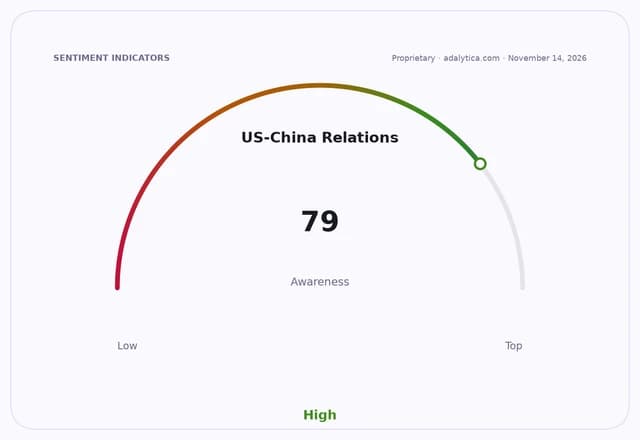
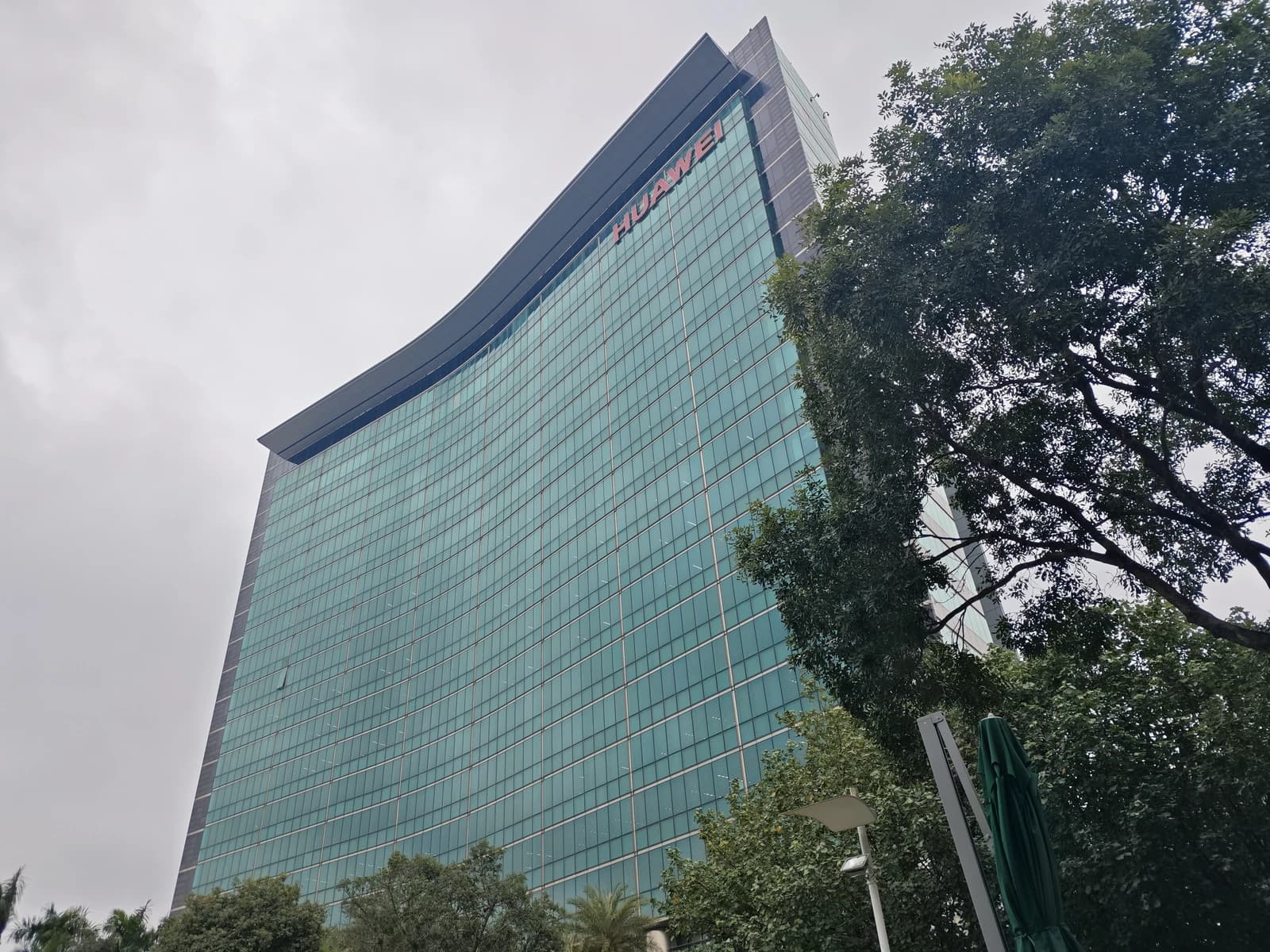
That matters for investors because the race is forcing governments and companies to make harder procurement and compliance choices. Switzerland already has examples of this split: some public institutions, including the armed forces, have steered away from Palantir over sovereignty concerns, while Chinese telecoms equipment such as Huawei remains difficult to replace in parts of the market because of cost and infrastructure lock-in. The result is not full decoupling, but a costly process of selective de-risking that can affect public spending, vendor selection and cross-border business.
The broader economic question is whether Switzerland can preserve its role as a hub for diplomacy and international organisations while reducing its exposure to foreign technology dependence. International law experts say neutrality still applies in cyberspace, but the rules are murkier when clouds, cables, satellites and data centres sit on Swiss territory yet are operated through foreign platforms. In a US-China conflict, Bern would likely be expected to stop its territory from being used for hostile cyber operations, even as it tries to avoid taking sides.
That leaves Switzerland in a familiar but more complicated position: trying to trade with both powers, keep its infrastructure secure and maintain space for mediation. The country’s traditional neutrality may still work as a diplomatic asset, but in the AI era it is becoming harder to separate legal neutrality from technological dependence.
| Entity | Gains | Losses |
|---|---|---|
| Switzerland’s diplomatic institutions | ▲More room for mediation | ▼Less room if neutrality hardens |
| US and Chinese AI providers | ▲Access to Swiss market | ▼Greater scrutiny and restrictions |
| Swiss government | ▲Strategic flexibility if vote fails | ▼Sanctions limits if initiative passes |
| Critical infrastructure operators | ▲Incentive to diversify suppliers | ▼Higher switching costs |