A contentious plan to build 31 bungalows and chalet bungalows on a 4.3-hectare horse paddock in Minster is back before Swale council for a third time, with the outcome now carrying weight beyond one village because the authority still cannot show a five-year housing land supply.
Swale council reviews 31-home Minster plan again
That shortage matters because English planning policy gives councils with insufficient land supply far less room to block residential schemes, tilting decisions toward approval unless the harm clearly outweighs the need for homes. In practice, that shifts leverage away from local objections and toward developers with viable sites, especially in authorities already drafting new Local Plans.
The Nelson Avenue proposal has already been refused twice in different forms. First submitted in 2021 as 64 homes, it was later reduced to 31 properties after an appeal over the earlier non-decision was dismissed by the Planning Inspectorate. A revised application was then rejected by Swale council in December 2024, and a subsequent appeal was not determined because of incorrect ownership information in the filing.
The latest submission, lodged on November 12, is described by the developer’s agent as identical to the previous version except for additional local newspaper advertising. The design is pitched as single-storey and one-and-a-half-storey homes, which the applicant says mirrors nearby development and addresses concerns raised in the 2022 appeal. The outline application would leave the detailed layout and sizing for later approval if the council gives it the green light.
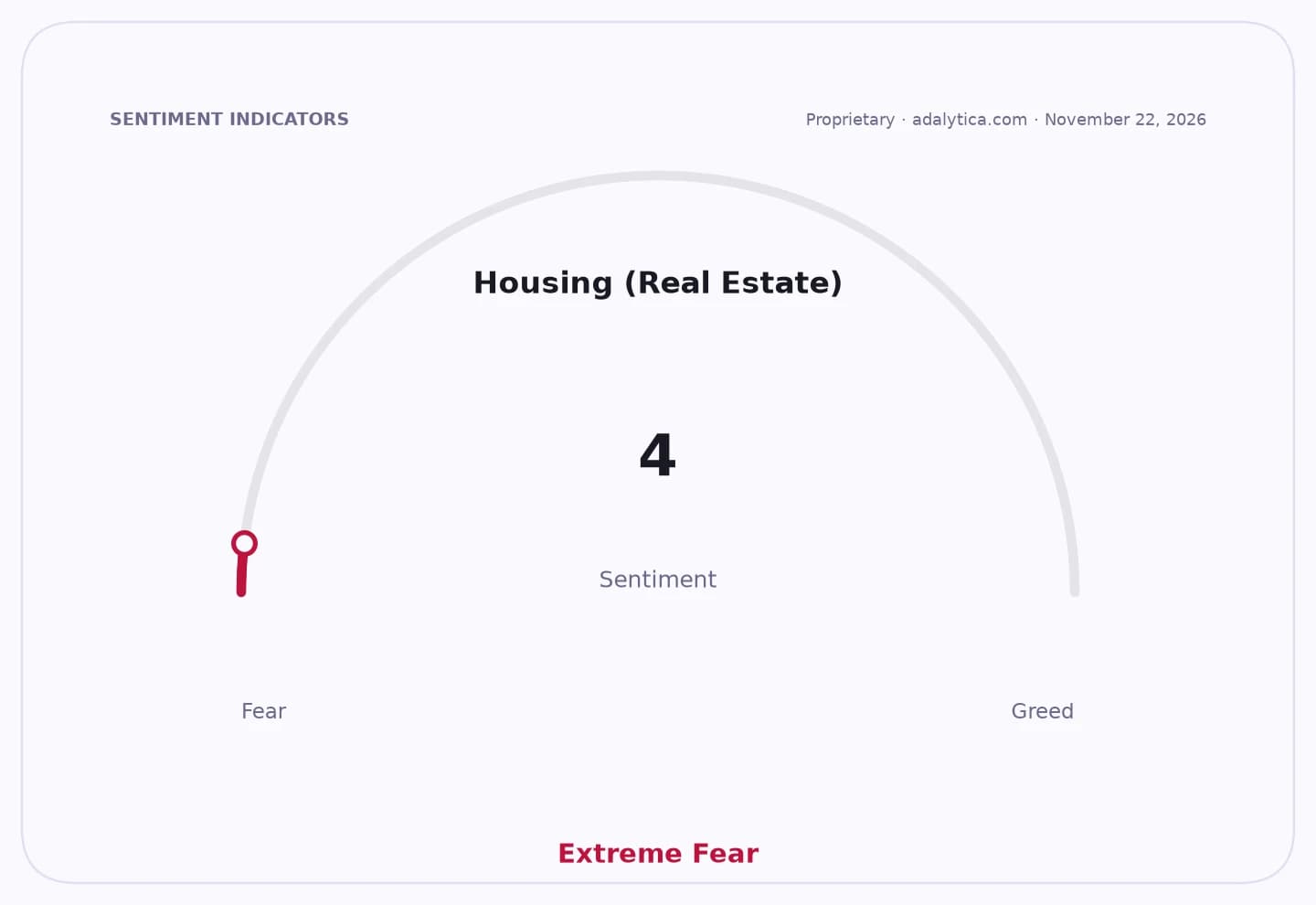
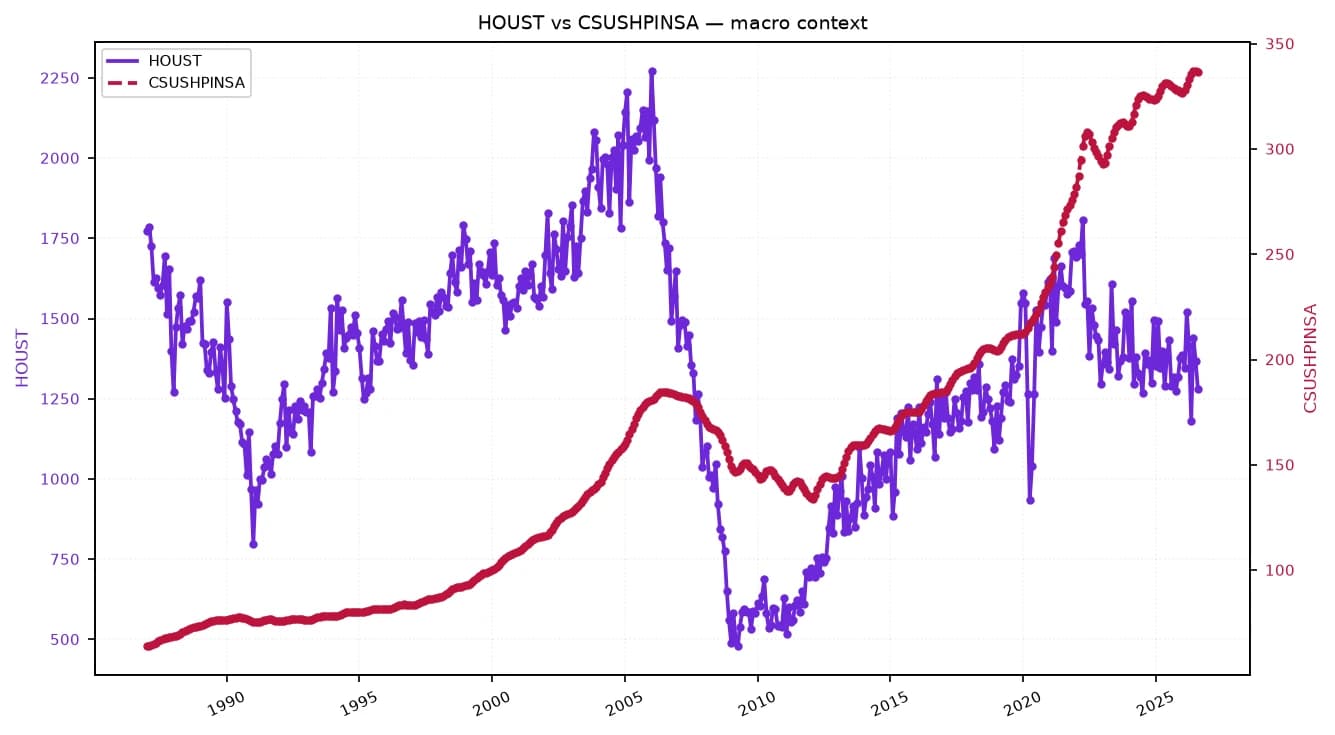
For investors and housing-market watchers, the story is less about one estate than about the continuing bottleneck in UK planning. Developers need permissions to unlock supply, but local resistance remains strong where greenfield or semi-rural land is being converted. That tension is a direct constraint on housing completions, land values and, ultimately, affordability. The broader backdrop is a market still trying to balance community opposition, environmental concerns and a policy environment that increasingly favours delivery over delay.
The numbers underline the pressure. Swale’s inability to demonstrate a five-year supply puts it in a “presumption in favour of sustainable development,” a status that can materially improve the odds of schemes like this surviving appeal. Yet the objections from residents — citing disruption, wildlife loss and parking stress — show the political risk remains high for councils even when the policy framework is stacked against refusal.
If the scheme is approved, it would reinforce the view that undersupplied councils are being pushed toward accepting incremental development on edge-of-settlement sites. If it is refused again, the likely next step would be another appeal, setting up a fresh test of how far local planning opposition can prevail when national housing targets and supply deficits remain unmet.
| Entity | Gains | Losses |
|---|---|---|
| Developer Michael Piper | ▲Chance of approval | ▼Time and legal costs |
| Swale council | ▲Moves toward housing targets | ▼Local political pressure |
| Prospective buyers | ▲More home supply | ▼None from delay ending |
| Minster residents | ▲Potential infrastructure upgrades | ▼Loss of open space |