Suriname’s GranMorgu project is already reshaping local activity years before first oil, with Staatsolie saying the offshore development is producing visible economic spillovers now and is starting to pull investor attention toward natural gas as well as crude.
Suriname GranMorgu Project Adds Jobs Before First Oil
The clearest near-term impact is on jobs and logistics. Staatsolie chief executive Annand Jagesar said about 700 Surinamese workers are already employed at the Kuldipsingh Port Facility alone, even though first oil from GranMorgu is not expected until 2028. That makes the project more than a distant production story: it is already feeding wages, port traffic and service demand into the domestic economy.
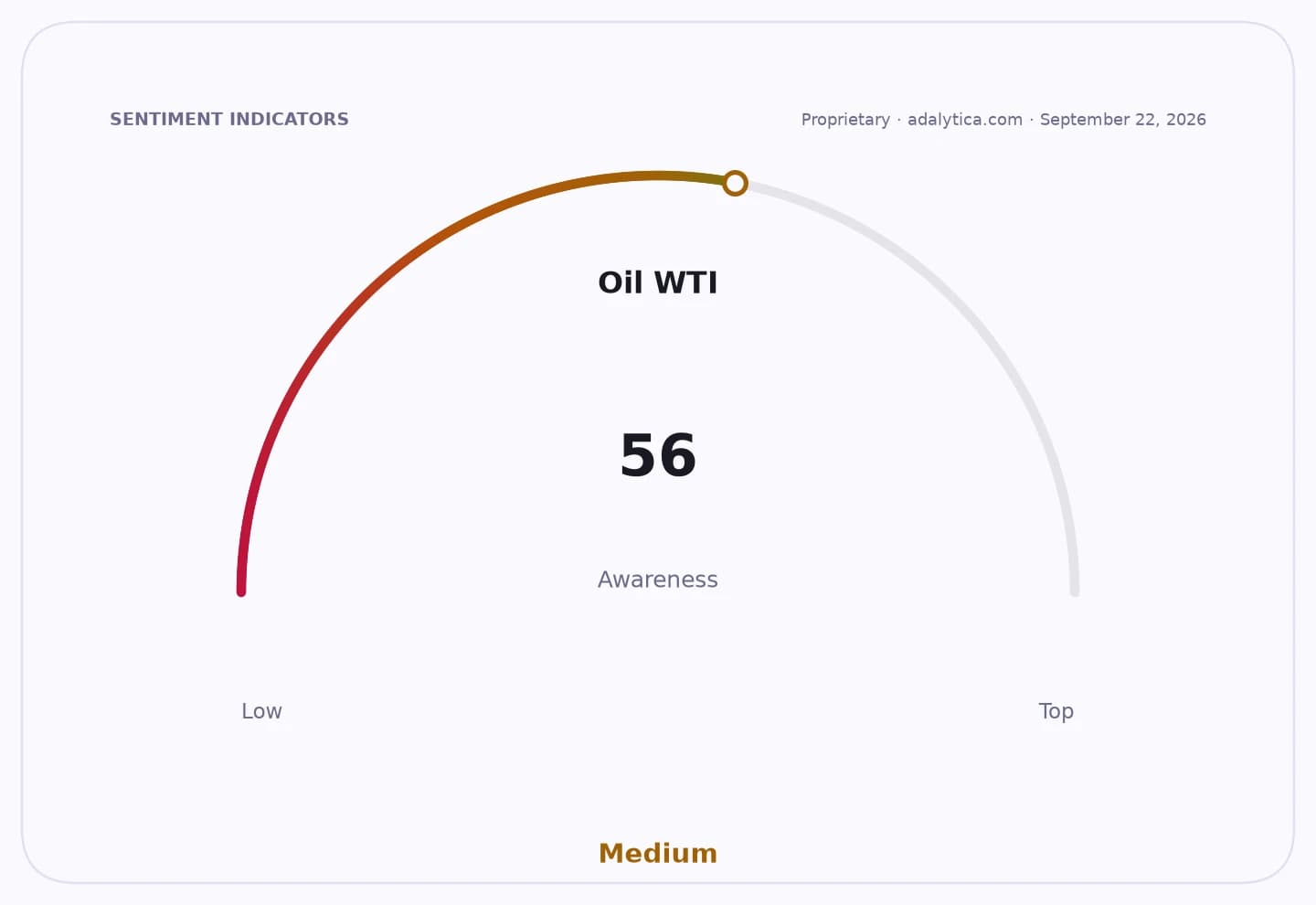
Sentiment IndicatorsⓘProprietary · adalytica.com · September 22, 2026
This is a snapshot — live sentiment, awareness and momentum for 130+ markets update continuously in the dashboard.Open AlphaPulse
For Suriname, that matters because GranMorgu is one of the country’s largest-ever hydrocarbon developments and a potential catalyst for broader industrial activity. Offshore oil projects typically create a long run-up of spending on ports, transport, fabrication, catering and training, and Jagesar’s comments suggest those multipliers are now visible. The project is also helping shift the national energy discussion from a narrow oil narrative to gas, which could broaden the investment case if associated gas development follows.
Investors are watching that shift closely because the value in frontier energy provinces often comes from infrastructure and gas optionality before first oil flows. Gas can improve project economics, support power generation and lower costs for local industry, while also influencing how much value stays in-country through jobs and contracts. For oil companies and suppliers, the buildout can mean steadier revenue well before production begins.
The market backdrop is favorable for resource projects, with crude still elevated and gas prices supported by tight supply conditions and underinvestment in new discoveries. That keeps attention on developments like GranMorgu, where early economic activity can reinforce financing and political support long before barrels reach market.
The next test is whether the project keeps translating offshore investment into domestic content and whether gas remains part of the plan as GranMorgu moves toward first output in 2028.
| Entity | Gains | Losses |
|---|---|---|
| Suriname economy | ▲Jobs, port activity, local spending | ▼Dependency on project timing |
| Staatsolie / project partners | ▲Social license, execution momentum | ▼Higher buildout costs |
| Local contractors and workers | ▲Contracts and wages | ▼Cyclical project demand later |
| Crude-only rival projects | ▲— | ▼Attention shifts to gas optionality |