South Korea’s small business lobby is trying to turn Chuseok into a lifeline for neighborhood shops, warning that prolonged weak domestic demand and rising costs are squeezing micro merchants into a structural crisis.
South Korea Small Shops Seek Chuseok Sales Boost

The Korea Federation of Micro Enterprise said households should buy holiday gifts at traditional markets and eat out at local restaurants and alleyway stores, arguing that even higher sales are leaving owners with little profit because labor, rents, utility bills, raw materials and financing costs keep climbing. That matters because South Korea’s small shops and local eateries are not just a retail segment; they are a large part of the country’s employment base and a direct channel for household income in regional economies.
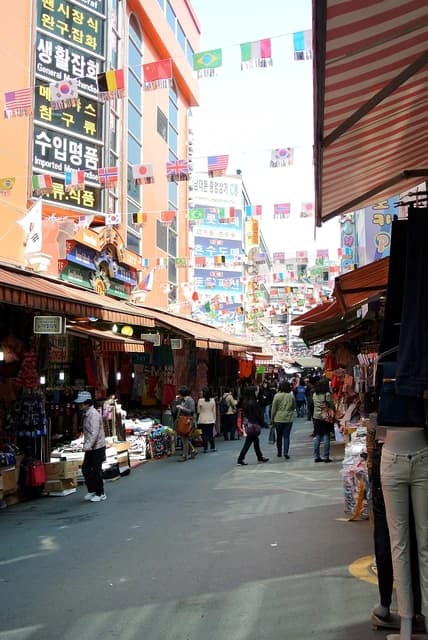
The appeal underscores a deeper problem in Asia’s fourth-largest economy: consumer caution is colliding with a high-cost operating environment, leaving many mom-and-pop businesses unable to absorb another soft holiday season. When small merchants struggle, the effects ripple quickly through local suppliers, landlords, service workers and transport operators, making the health of neighborhood commerce a useful barometer for the broader economy.
For investors, the message is less about a one-off holiday campaign than about where spending is likely to hold up and where it may keep weakening. The market underestimates how much pressure persists in domestic discretionary demand, which favors larger operators with scale, pricing power and stronger balance sheets over fragmented independents. It also keeps attention on any policy response from Seoul and lawmakers, whether that means support for closures, social safety nets or measures designed to stabilize small-business cash flow.
The coalition’s push is also a reminder that Chuseok remains a real demand event, even in a sluggish economy. If households choose neighborhood markets over online platforms and big chains, local merchants get a temporary revenue lift; if not, the holiday will reinforce the view that consumer sentiment remains too fragile to deliver a broad-based recovery.
For now, the investable takeaway is clear: the pressure on South Korea’s small-business sector is structural, not seasonal, and the best positioned players are those with scale, efficiency and exposure to any policy-backed rebound in domestic consumption.
| Entity | Gains | Losses |
|---|---|---|
| Traditional markets | ▲Holiday foot traffic | ▼E-commerce rivals |
| Neighborhood shops/restaurants | ▲Chuseok spending | ▼Cash-strapped micro merchants |
| Large retail chains | ▲Share gains from weak independents | ▼Small local operators |
| South Korean policymakers | ▲Pressure to act | ▼Status quo on small-business support |