South Korea is preparing to roughly double spending on artificial intelligence and semiconductors in 2027, a policy shift that underscores how central chips have become to the country’s growth model and how aggressively Seoul is trying to secure a bigger share of the AI boom before global supply constraints worsen.
South Korea to Double AI and Chip Spending in 2027
The move matters because South Korea is not just another spender in the AI race. It is home to Samsung Electronics and SK Hynix, two of the industry’s most important memory suppliers, and its chip exports remain a critical pillar of national output, trade and corporate earnings. With Samsung already warning that the shortage of AI chips could intensify by 2028, the government’s spending plan points to a broader industrial response to a market where demand is running ahead of capacity.
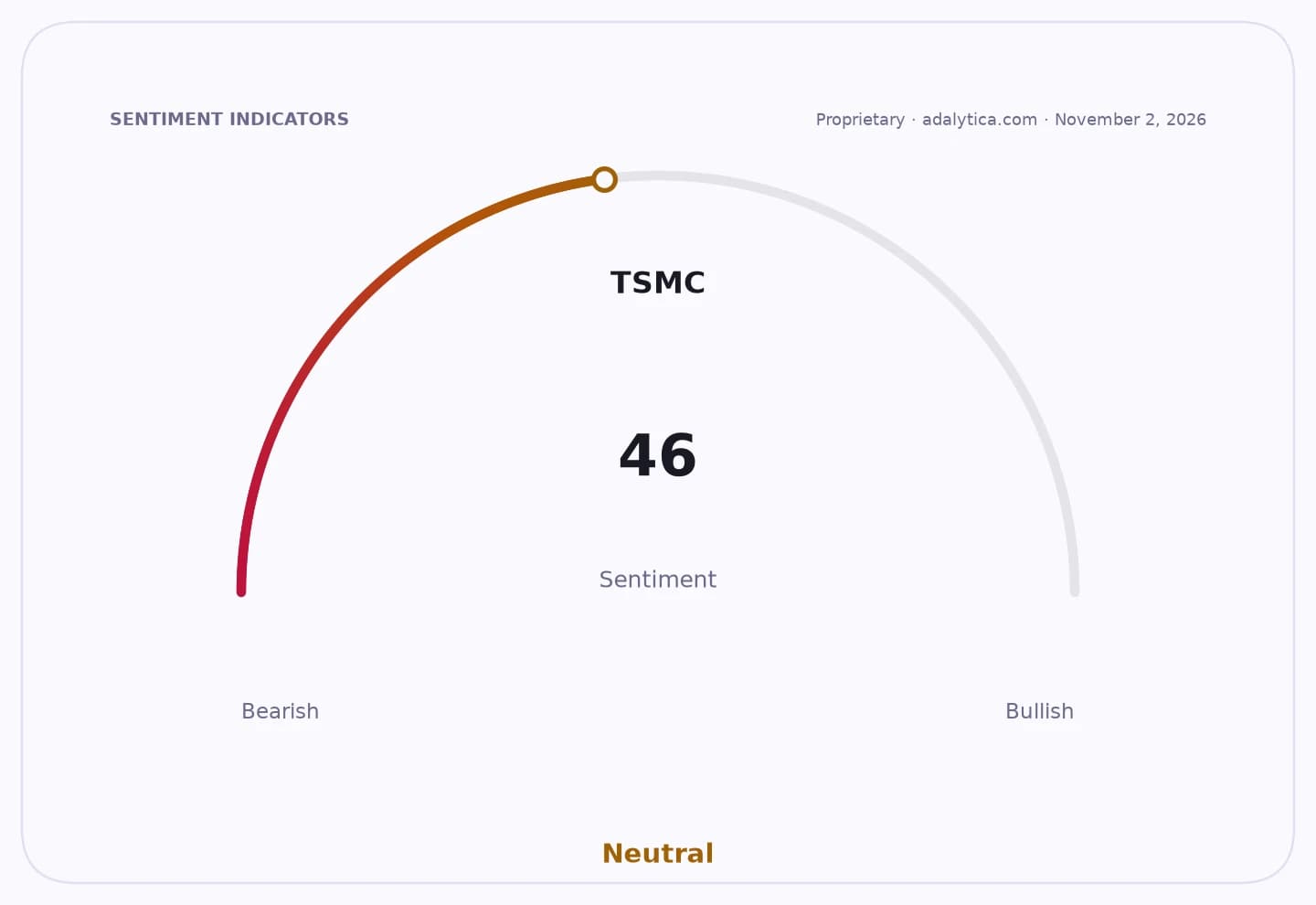
Sentiment Indicators
That imbalance is increasingly visible across the semiconductor complex. Big technology groups including Amazon, Microsoft and Alphabet are expected to pour about $600 billion this year into AI infrastructure, keeping pressure on advanced chips, packaging, memory and related equipment. At the same time, export-control scrutiny and supply-chain disruptions are adding friction. Malaysia’s seizure of servers containing advanced AI chips over export violation concerns and lingering production risks at TSMC have reinforced investor worries that supply will remain tight even as AI spending accelerates.
For investors, the implication is twofold. First, the policy backdrop is supportive for Korean chipmakers, equipment suppliers and the broader domestic tech ecosystem, because higher public spending can help accelerate capacity expansion, R&D and ecosystem build-out. Second, scarcity itself remains a price-supportive force, but only if suppliers can convert it into profitable shipments rather than missed orders and delayed launches. That is why markets have been treating every hint of tighter supply as both a bullish signal for pricing power and a risk to end-demand if capacity fails to keep up.
The latest price action in global chip equities reflects that tension. Nvidia has retreated from earlier highs, with the stock trading below its 50-day moving average and momentum indicators weakening, suggesting some cooling after a powerful rally. AMD has also given back ground from its summer peak, while Intel’s sharp late-October drop shows how quickly sentiment can turn when investors reassess the path to earnings recovery. The common thread is not fading AI demand, but the market’s growing sensitivity to execution risk, valuation and the pace at which supply can be expanded.
South Korea’s spending plan also has macroeconomic significance beyond semiconductors. More investment in AI infrastructure can support capital expenditure, exports and productivity, while strengthening the country’s role in the global technology supply chain at a time when many economies are chasing the same strategic assets. But the payback will depend on whether the additional spending translates into faster fab buildouts, stronger memory pricing and more resilient supply chains — or simply adds to a costly race for capacity in an already constrained market.
For now, the message to investors is clear: the AI buildout is no longer just a private-sector cycle, but a state-backed industrial contest. South Korea wants to make sure its biggest companies are not left behind as the shortage of chips becomes a defining constraint on the next phase of AI growth.
| Entity | Gains | Losses |
|---|---|---|
| South Korea chipmakers | ▲More state support | ▼Higher execution pressure |
| Samsung and SK Hynix | ▲Stronger demand backdrop | ▼Supply bottlenecks |
| AI infrastructure builders | ▲Faster ecosystem funding | ▼Tighter chip availability |
| Late entrants / shorts | ▲Potentially lower entry prices | ▼Missed AI upside |