Sinop’s first maralfalfa harvest is pointing to a potentially sharp increase in forage output, a development that could ease livestock feed costs in a province where silage corn typically yields just 5 to 6 tons per dekar.
Sinop maralfalfa harvest points to higher forage yields
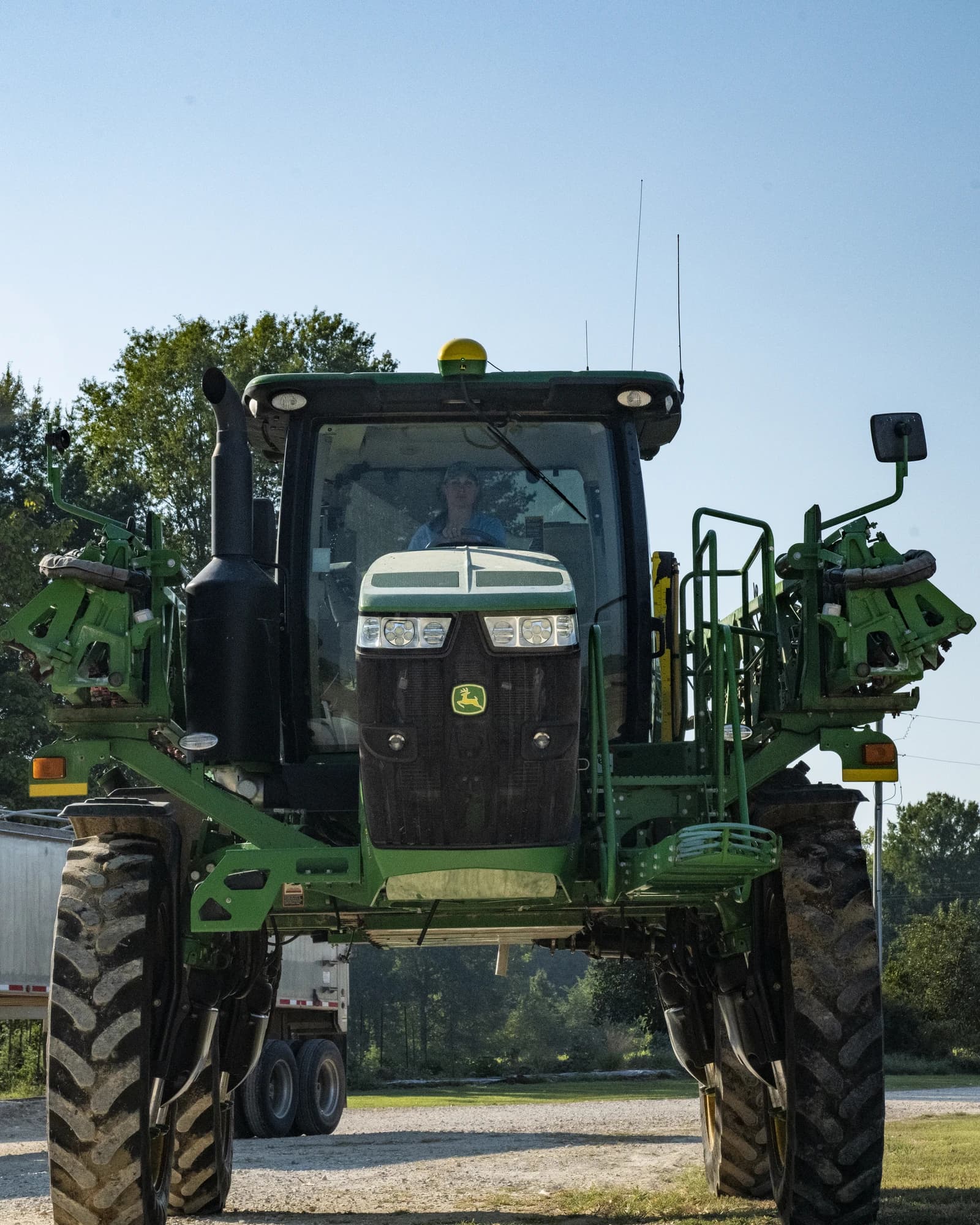
Local agricultural officials say the trial plot in Dibekli village is expected to produce about 30 tons per dekar, roughly five times the yield of silage corn in the region. That matters because feed is one of the biggest recurring costs for livestock operators, and any crop that boosts tonnage per unit of land can improve margins, reduce dependence on purchased feed and widen the range of local forage options.
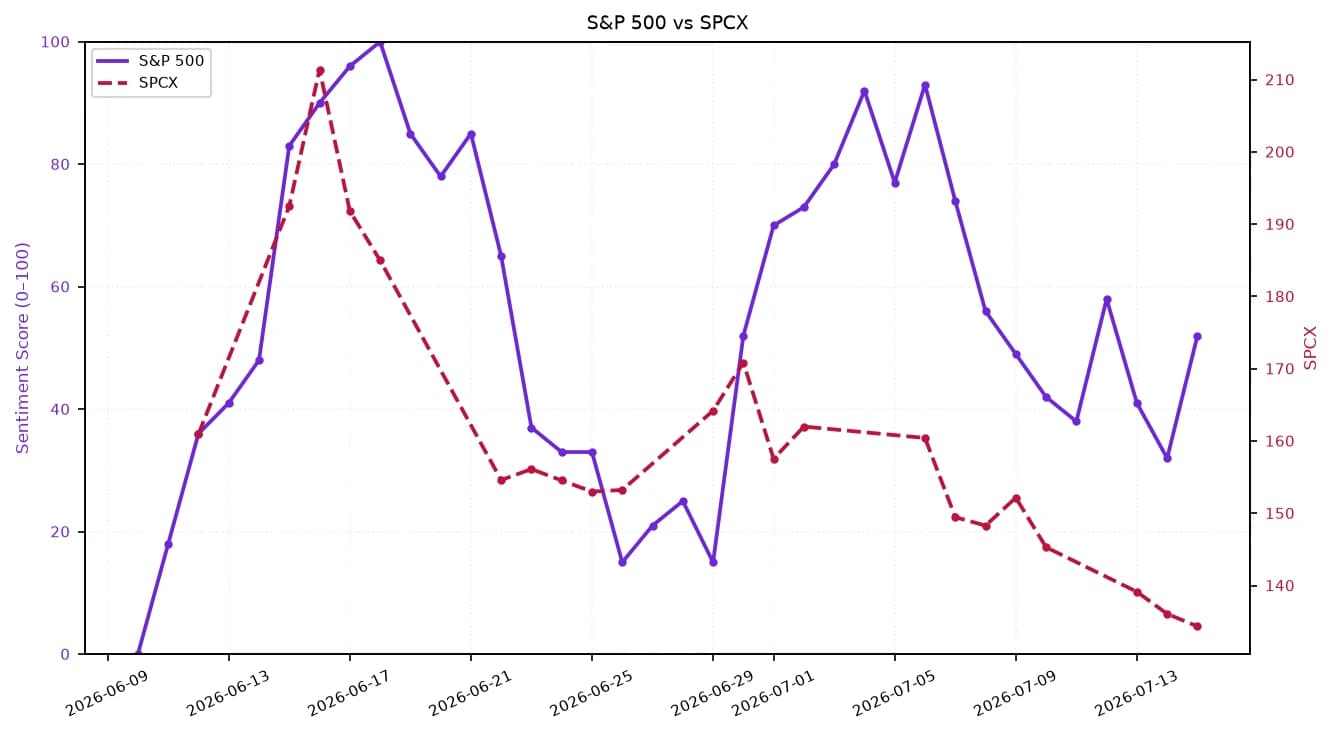
Sentiment IndicatorsⓘProprietary · adalytica.com · September 20, 2026
This is a snapshot — live sentiment, awareness and momentum for 130+ markets update continuously in the dashboard.Open AlphaPulse
The project, backed by the Sinop Provincial General Assembly, is being framed as a first for the province and as a test of whether maralfalfa can be scaled beyond a demonstration field. Murat Genç, the provincial agriculture and forestry director, said the crop could make a “very important” contribution to roughage supply for livestock businesses and help lower feed costs while broadening product diversity in the province.
For producers, the appeal is straightforward: more biomass from the same area of land means lower land intensity and, if agronomic conditions hold, a better buffer against volatile feed markets. That comes at a time when global grain markets remain sensitive to crop shortfalls and price swings, with corn supply concerns still a recurring theme across Europe and elsewhere. In that environment, any locally grown alternative that expands roughage supply is likely to attract attention from farmers trying to manage input inflation and from policymakers looking for ways to support livestock self-sufficiency.
The comparison with corn is especially relevant for investors watching agricultural inputs and grain merchants. Corn remains a core feedstock for global livestock chains, but a successful maralfalfa rollout would highlight a broader trend: farmers and regional authorities are increasingly looking for high-yield forage substitutes that can reduce exposure to traded feed markets. That could be constructive for livestock margins, supportive for farm equipment and agronomy demand, and mildly negative for some feed merchants if adoption spreads.
The key question now is whether the trial result can be replicated at scale, under commercial field conditions and across seasons. If it can, Sinop’s experiment may become a template for other Turkish regions facing the same pressure: high feed costs, limited land and the need to produce more roughage from less acreage.
| Entity | Gains | Losses |
|---|---|---|
| Sinop livestock producers | ▲Lower feed costs | ▼Dependence on bought-in forage |
| Maralfalfa growers | ▲Higher yield per dekar | ▼Corn growers in forage use |
| Local policymakers | ▲Agricultural diversification | ▼Status quo feed strategy |
| Feed merchants | ▲Potential new demand mix | ▼Corn-linked feed volumes |