Arecanut prices in Shivamogga district stayed sharply differentiated on November 20, underscoring how local grade and market selection continue to determine farmgate returns for growers in Karnataka’s key nut belt.
Shivamogga Arecanut Prices Split by Grade and Market
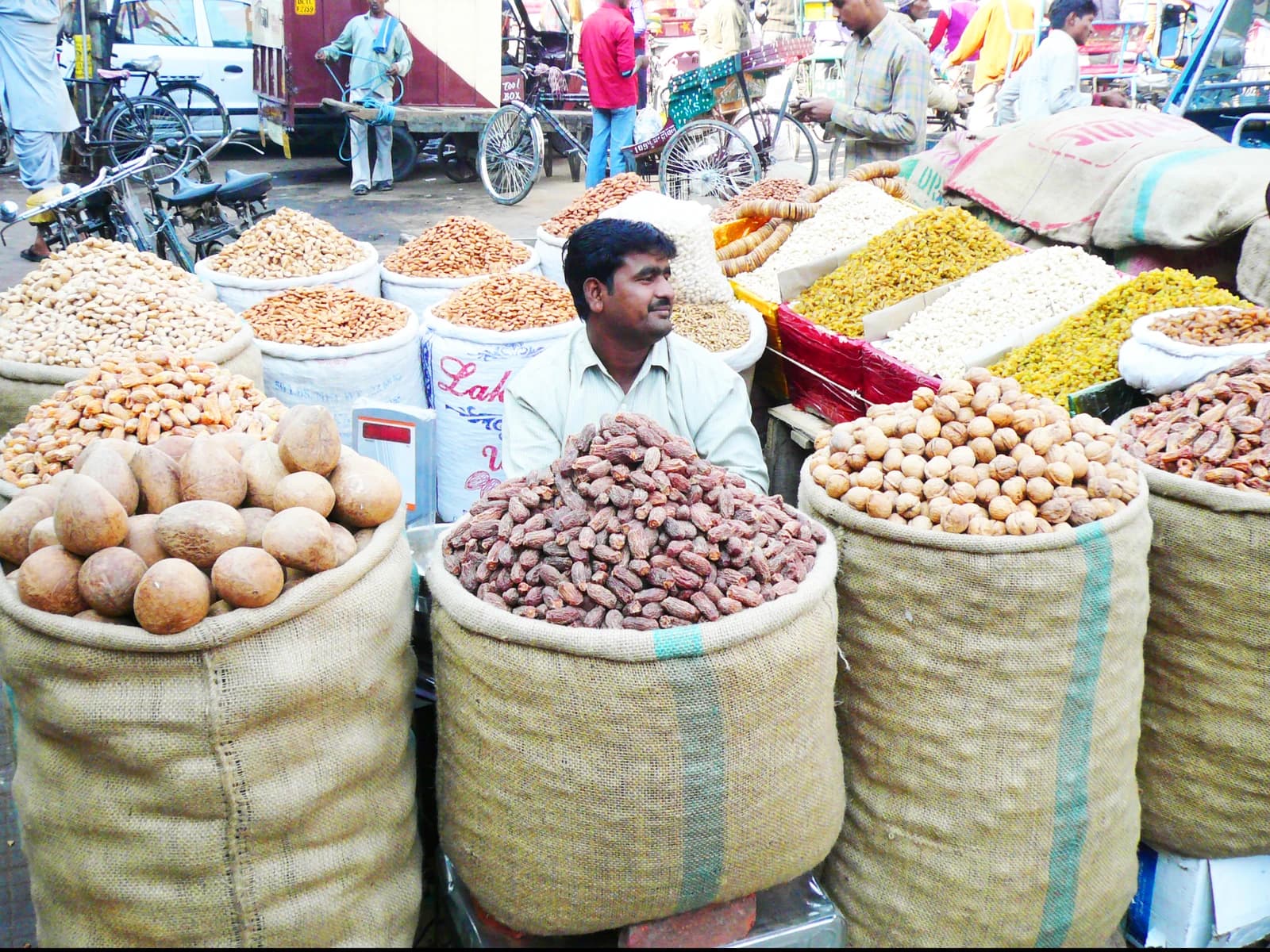
The biggest takeaway for farmers is not a broad rally or collapse, but the wide spread between varieties and markets. In Shivamogga market, rashi arecanut traded between ₹34,166 and ₹47,299 a quintal, while bette fetched ₹50,199 to ₹55,800. In nearby markets the dispersion was just as clear: Sagara quoted rashi at ₹40,509-₹47,299 and chali at ₹33,599-₹39,619, while Tirthahalli showed rashi at ₹36,599-₹49,039, gorabalu at ₹32,899-₹38,321 and bette at ₹50,000-₹53,011.
For growers, that matters because arecanut is a high-value perennial crop with relatively thin room for error in pricing. A difference of even a few thousand rupees per quintal can materially change incomes over a full harvest season, especially for smaller holders who sell in bulk and face transport and commission costs. The price spread also shows that market intelligence remains a competitive advantage: farmers in Shivamogga and Channagiri routinely compare yards before deciding where to unload stock.
The data also points to a softer tone in some segments versus the previous day. Shivamogga rashi slipped from ₹37,469-₹48,099, while bette eased from a single-price quote of ₹55,699 to ₹50,199-₹55,800. In Sagara, the upper end of rashi was broadly steady around the high ₹47,000s, but lower-grade offerings such as cippegotu and white gote remained much cheaper, reflecting weaker demand for less preferred grades. Shikaripura’s churu held at ₹24,200, highlighting the steep discount attached to lower-quality material.
For investors and traders watching agricultural commodities, the story is one of fragmented local pricing rather than a uniform price trend. That usually reflects a mix of grade availability, regional supply flows and buyer demand at the yard level, not a single macro driver. It also suggests no immediate sign of market stress severe enough to force a wholesale repricing, even as different grades move in narrow bands.
The near-term focus will be whether arrivals tighten further and whether premium grades such as bette can hold above the ₹50,000 mark. For now, Shivamogga’s arecanut market remains a market of dispersion, where quality, timing and location are still doing most of the price-setting work.
| Entity | Gains | Losses |
|---|---|---|
| Premium-grade growers | ▲Higher realizations | ▼Smaller discount to lower grades |
| Buyers of lower grades | ▲Cheaper procurement | ▼Limited supply of premium lots |
| Shivamogga/Tirthahalli sellers | ▲Stronger bette prices | ▼Mixed rashi pricing |
| Shikaripura churu sellers | ▲None | ▼Lowest price segment |