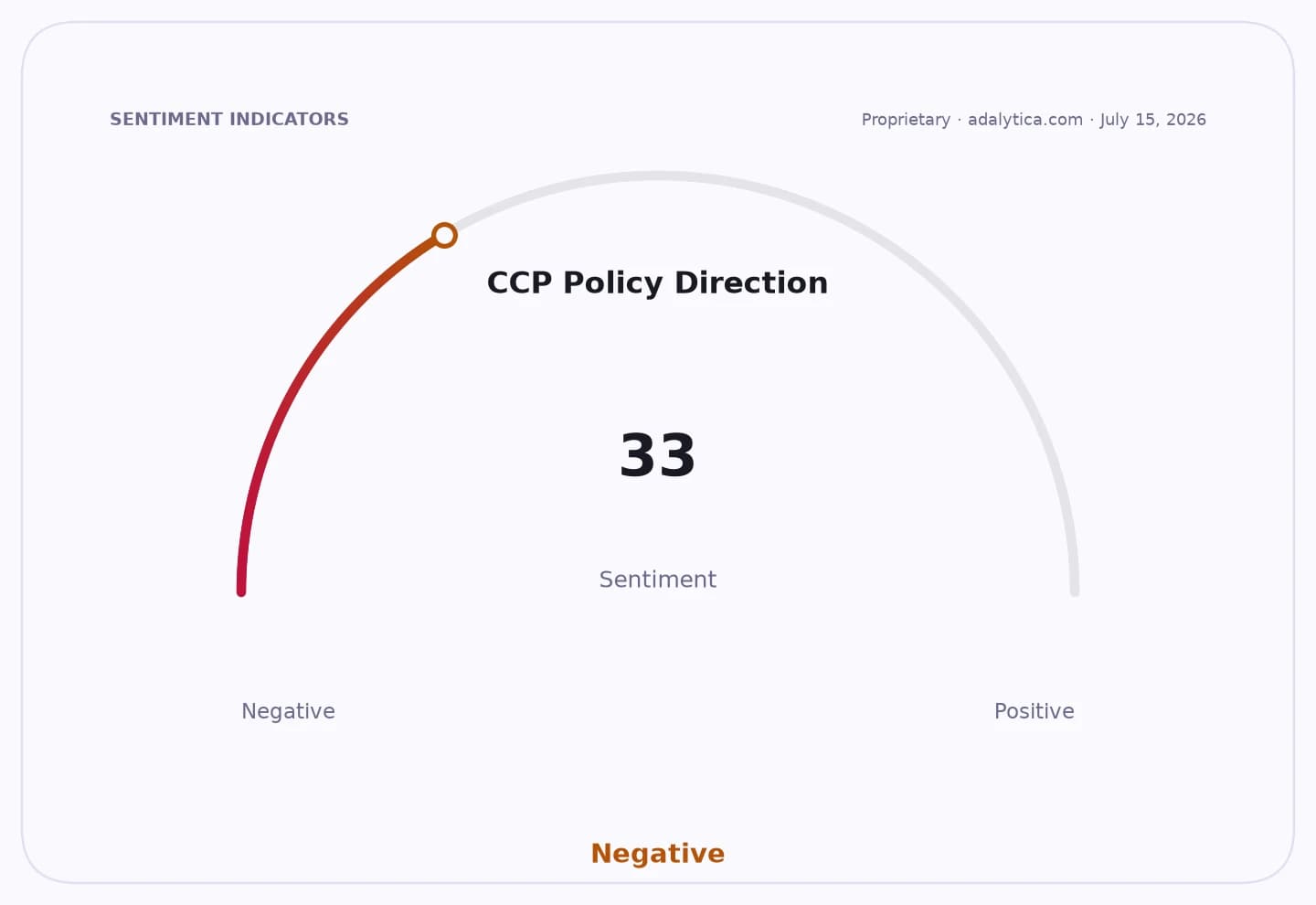
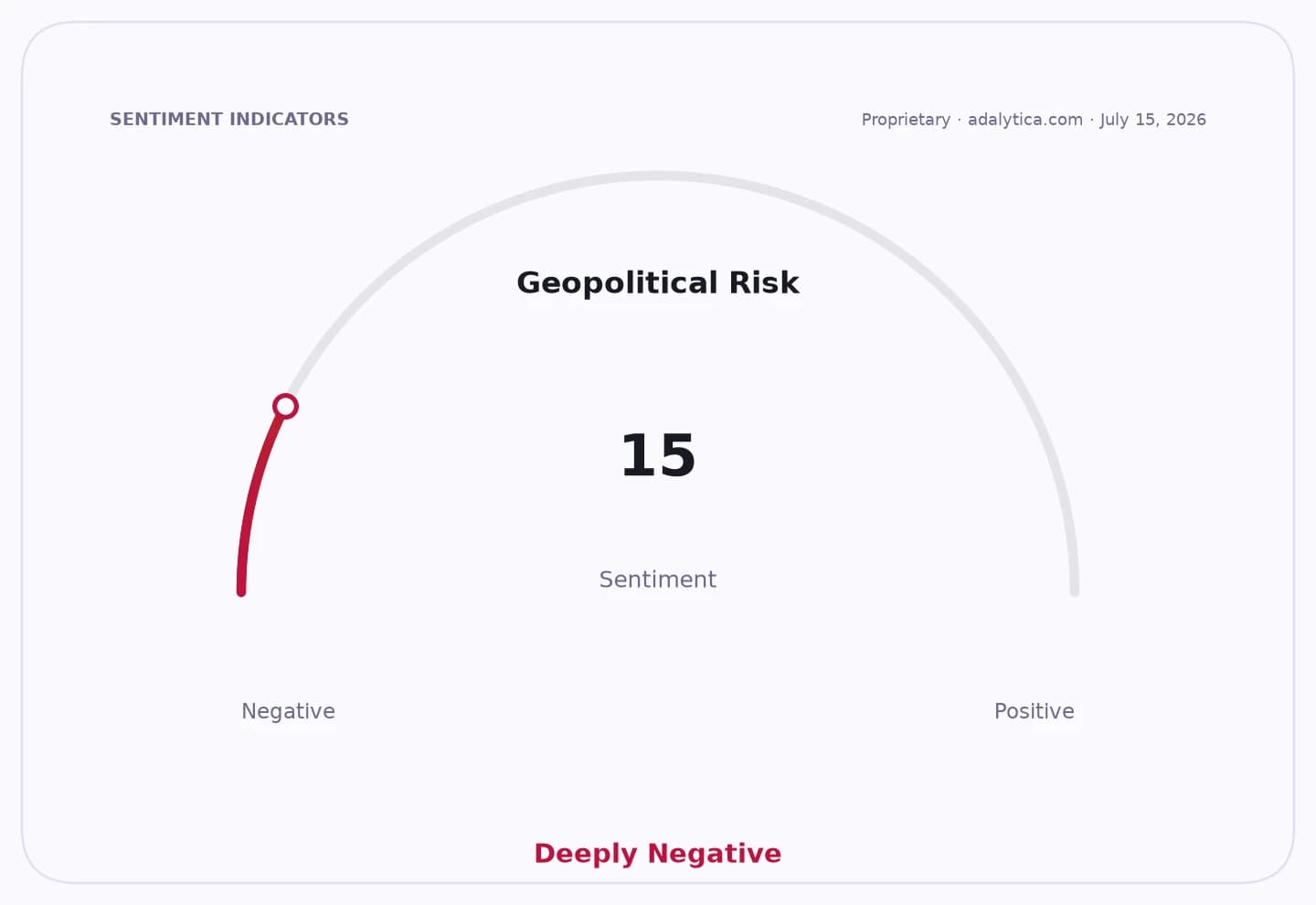
Saudi Aramco has cancelled October crude allocations to European buyers after a drone attack shut one of Saudi Arabia’s main export pipelines, a disruption that highlights how quickly a regional security breach can upend physical oil flows and force refiners to scramble for replacement barrels.
Saudi Aramco Cancels October Oil Allocations to Europe
The move matters first because it hits a supply chain that has long been treated as dependable. Saudi crude shipped to Europe typically moves under monthly contract through the kingdom’s East-West pipeline system to the Red Sea, then via Egypt’s SUMED link and the Mediterranean. When that route is interrupted, buyers cannot simply switch to spot cargoes without paying up or taking on different grades, and refiners that rely on Saudi barrels must compete for alternatives from the Atlantic Basin, West Africa or the U.S. Gulf.
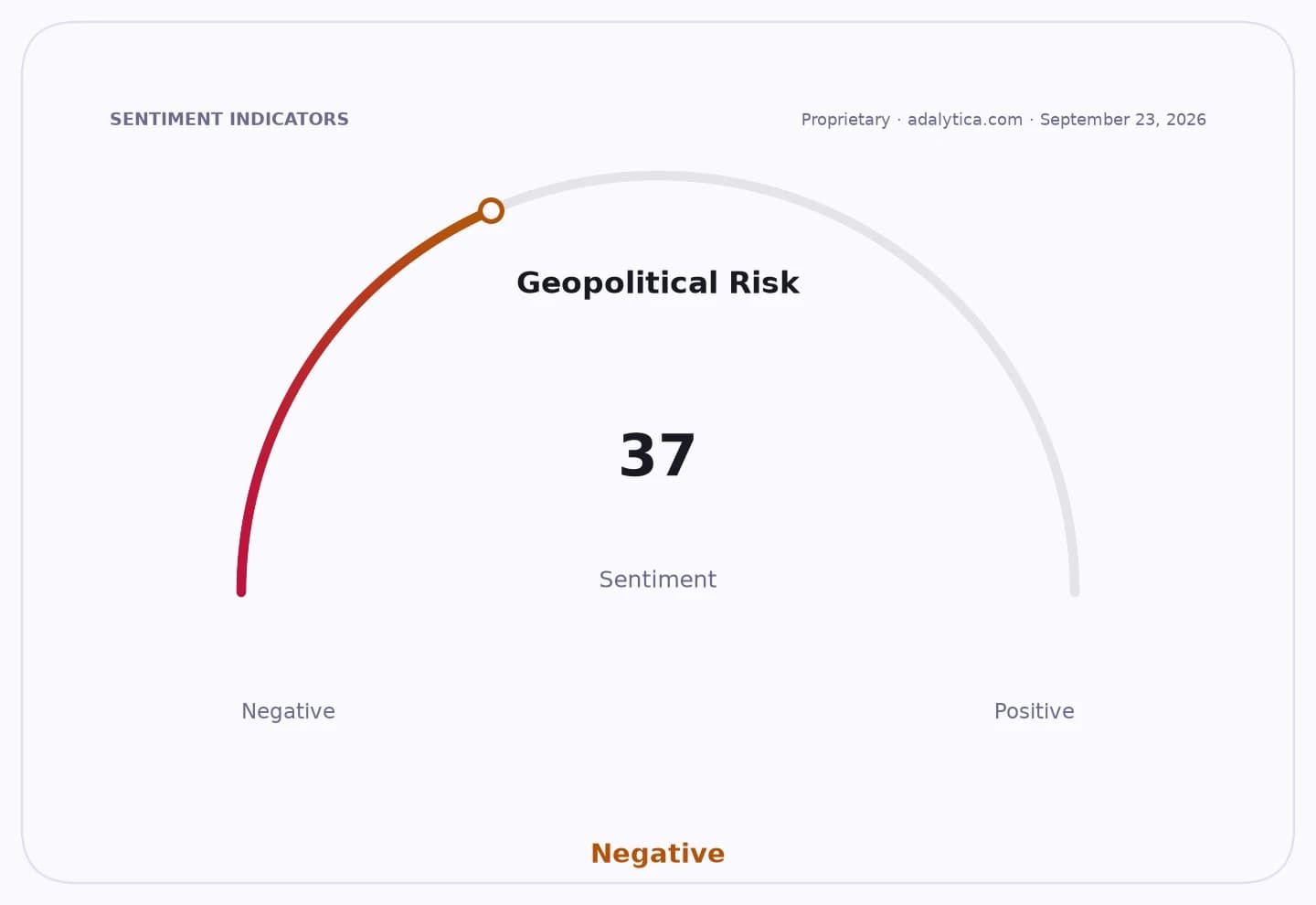
Sentiment IndicatorsⓘProprietary · adalytica.com · September 23, 2026
This is a snapshot — live sentiment, awareness and momentum for 130+ markets update continuously in the dashboard.Open AlphaPulse
The shutdown of the East-West, also known as Petroline, came after drone attacks and follows reports that partial operations could resume within days, with full restoration taking as long as six weeks. Even if that timeline proves accurate, the cancellation of October allocations suggests Aramco is prioritizing domestic logistics and contract management over maintaining normal export schedules. That is a reminder that in oil markets, the immediate impact of an attack is often less about the physical damage alone than about the knock-on effects on term supply, freight, refinery runs and prompt differentials.
For Europe, the hit lands at an awkward time. OECD European countries imported an average 577,000 barrels a day of Saudi crude in June, according to the International Energy Agency. That volume is not enough on its own to determine global pricing, but it is material for refiners that have configured runs around Saudi sour grades. Poland’s Orlen has already opened more than 10 tenders for replacement barrels, a sign that procurement teams are moving fast to protect margins and avoid cuts to product output.
Oil WTI — 30-day sentimentadalytica.com
Explore this data interactively — full history, time series and cross-market comparisons.Open AlphaPulse
Markets have so far treated the outage as a supply scare rather than a lasting supply shock. U.S. crude futures have recently eased back below $90 a barrel, while Brent has slipped to around $104, after earlier fears that Middle East disruptions could tighten the market more severely. The move in crude suggests traders are assuming the pipeline outage will be temporary and that spare supply, inventories and alternative routes can absorb at least part of the shortfall. But the combination of geopolitics and contract disruption still keeps a floor under prices, especially if the repair window extends or if buyers bid aggressively for spot cargoes.
The broader implication is that the oil market remains vulnerable to infrastructure attacks even when headline supply is not immediately lost for long. Saudi Arabia can reroute some exports and draw on storage, but Europe’s dependency on scheduled cargoes means that the cost of a disruption can show up first in freight, procurement spreads and refining margins before it appears in benchmark crude. That is why investors will watch not just the pipeline repair schedule, but also whether product cracks, Brent differentials and tanker rates start to reflect a tighter prompt market.
For energy investors, the incident is bullish for near-term volatility rather than a clear directional breakout. Producers and tanker operators can benefit from higher risk premia and rerouting demand, while refiners with limited flexibility may see margin pressure if replacement crude costs climb. If the East-West system comes back on stream quickly, the market may treat this as another geopolitical flare-up that fades. If not, it would reinforce a bigger theme: even with global spare capacity, Middle East transport chokepoints and domestic infrastructure remain a recurring source of price risk.
| Entity | Gains | Losses |
|---|---|---|
| Saudi oil producers | ▲higher risk premium | ▼disrupted export schedule |
| European refiners | ▲alternative supply trade opportunities | ▼lost Aramco allocations |
| Tanker and spot traders | ▲more cargo rerouting | ▼less stable term flows |
| Oil bulls | ▲tighter prompt market | ▼oil bears on supply easing |