Mortgage costs and scarce supply are shaping both Santa Fe’s housing market and the political stakes heading into Election Day, with affordability now central to who can buy, who can stay and how local policy will respond.
Santa Fe Housing Costs and Mortgage Rates Rise
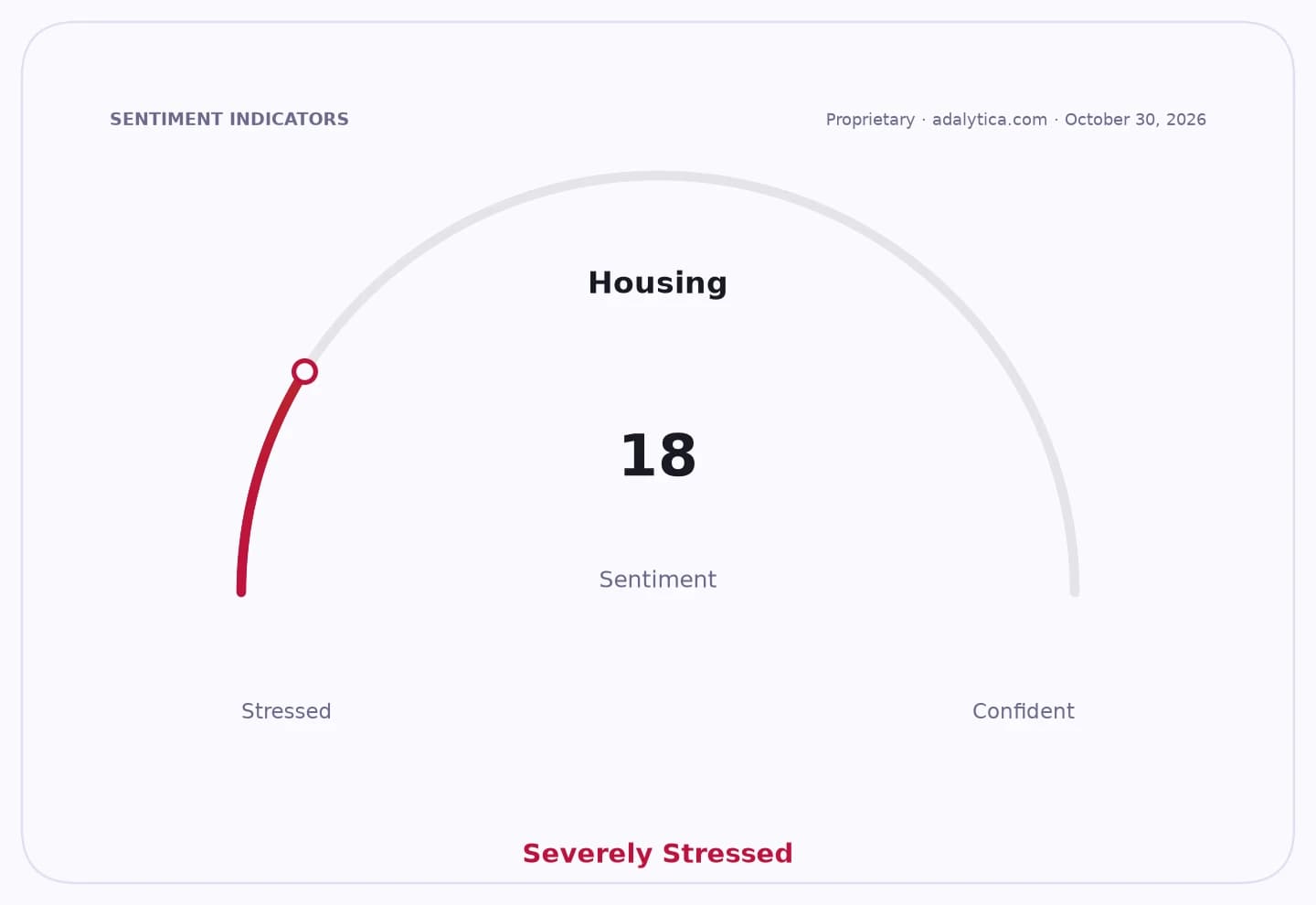
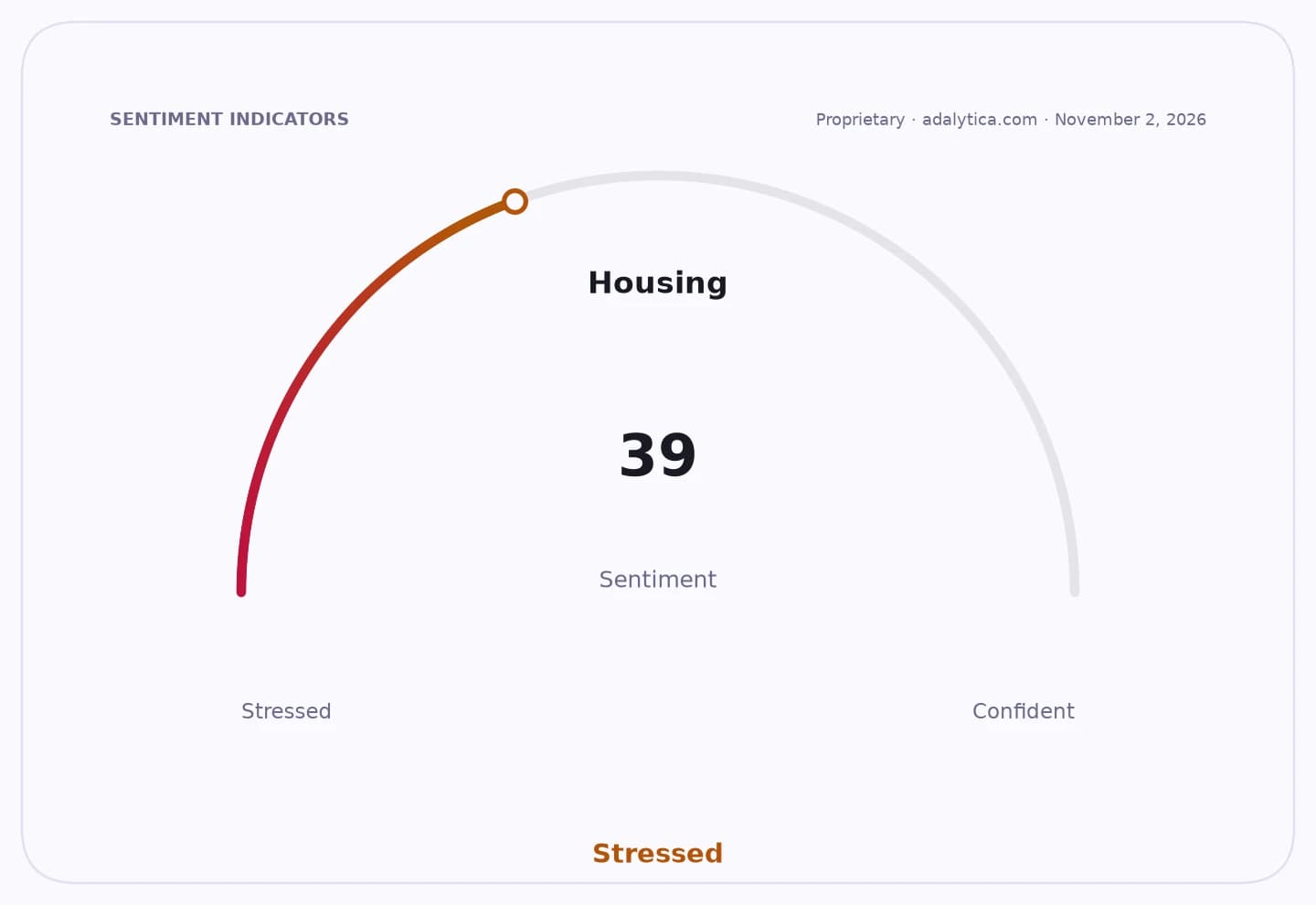
Housing
That matters economically because housing is one of the largest household expenses and a key driver of local inflation, mobility and wealth creation. In Santa Fe County, the median household income is about $88,000, while the median age is near 49, underscoring a market that must serve retirees, established homeowners and would-be first-time buyers at the same time. Inbound buyers from Los Angeles, Seattle, Phoenix and Dallas are still bringing equity into the market, but that outside demand also reinforces the pressure on prices and limits access for local wage earners.
Sentiment Indicators
The national backdrop is not helping. The average 30-year mortgage rate was 7.24% in late October and is forecast around 7.28% for early November, levels that keep monthly payments elevated even as broader home-price gains have moderated. The S&P CoreLogic Case-Shiller national home price index stood at 336.74 in August and was projected at 338.58 for September, showing prices remain firm rather than collapsing. New single-family housing starts, meanwhile, were expected around 1.28 million in October after a volatile run, a reminder that supply is improving only gradually.
For investors, that combination favors owners over buyers and keeps pressure on affordability-sensitive sectors. Homebuilder ETFs have held up better than the underlying housing story would suggest: XHB closed at 100.97 and ITB at 92.74 on Oct. 30, while their technical readings point to short-term strength, with both above their 50-day moving averages and RSI levels near 67 to 70. But those charts sit against a fundamental backdrop of stubborn financing costs, which continue to restrain transaction volumes and keep demand uneven.
Rental and housing sentiment remains bleak. Adalytica’s Housing and Rent Inflation gauge was in “Fear” at 21, with “Extreme Fear” awareness, reflecting how housing costs continue to dominate consumer anxiety. Bond signals are even more telling: TLT’s Adalytica trade snapshot showed “Extreme Greed,” consistent with investors leaning toward lower yields, even as mortgage rates remain elevated. That split suggests markets are still betting on eventual easing, but households are still living with today’s cost of capital.
The policy thread is the clearest narrative tying the data together. Across the Atlantic, governments are moving to expand social and rental housing supply to ease affordability and combat inflation, a sign that policymakers increasingly view housing shortages as an economic problem, not just a social one. Santa Fe’s voters are confronting the same basic equation on a local scale: if supply does not rise, mortgage rates alone will keep ownership out of reach for more residents, and housing will remain a defining issue at the ballot box.
| Entity | Gains | Losses |
|---|---|---|
| Current homeowners | ▲Asset support | ▼Affordability backlash |
| First-time buyers | ▲Potential policy relief | ▼High monthly payments |
| Homebuilders | ▲Demand for new supply | ▼Margin pressure from costs |
| Local renters and workers | ▲More housing supply | ▼Rising rents and displacement |