Samsung Electronics has crossed KRW 500 trillion in cumulative third-quarter sales, driven by a 314% jump in semiconductor revenue as the company’s core memory and chip businesses rebound sharply.
Samsung Electronics tops KRW 500 trillion in sales
The milestone underscores how much Samsung’s earnings engine still depends on semiconductors, even as management pushes into new businesses and restructures the group. For investors, the bigger question is whether the chip recovery is durable enough to offset softer consumer electronics demand and justify the stock’s valuation after a volatile year for global tech.
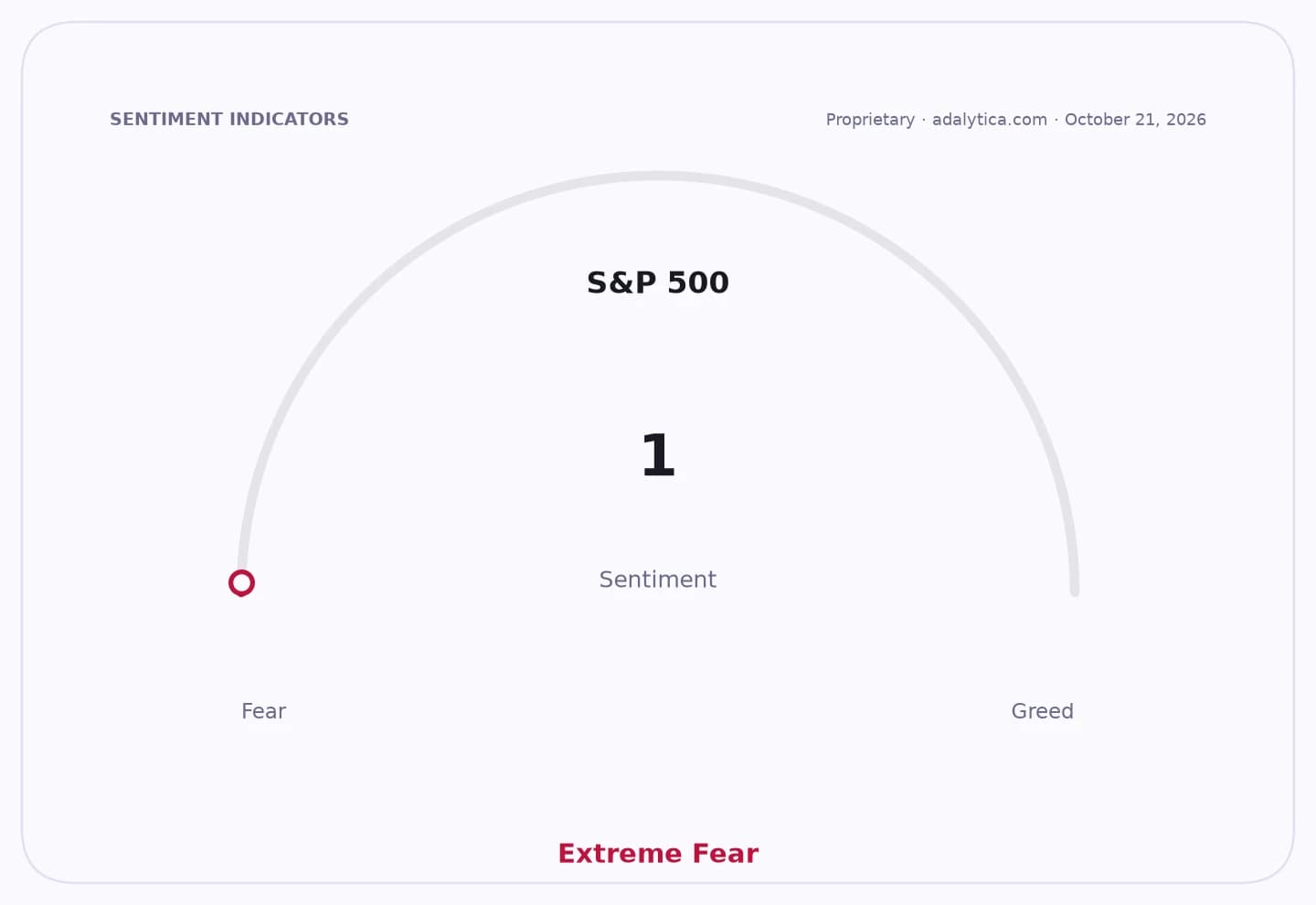
Sentiment Indicators
South Korea’s biggest company has benefited from a stronger semiconductor cycle tied to AI-related demand and tighter supply in parts of the memory market. That has helped lift revenue at a time when the broader technology sector is being shaped by heavy capital spending, export controls and geopolitical scrutiny over chip supply chains.
The scale of the semiconductor rebound matters beyond Samsung’s own results because it feeds directly into South Korea’s exports, corporate profits and the outlook for the global memory market. It also puts pressure on rivals such as SK Hynix and on customers, including data-center operators and AI hardware makers, that rely on a steady supply of advanced chips.
Samsung’s stock has been under pressure recently, with the share price down sharply and trading below both its 50-day and 200-day moving averages, while RSI readings point to oversold conditions. That leaves investors watching for confirmation that the chip upcycle can continue into the next quarter rather than fade after a strong rebound.
The next catalyst is Samsung’s earnings outlook and any update on chip pricing, AI server demand and foundry utilization, which will determine whether the company can turn the sales milestone into sustained profit growth.
| Entity | Gains | Losses |
|---|---|---|
| Samsung Electronics | ▲Sales growth; chip rebound | ▼Margin pressure if cycle cools |
| Semiconductor rivals | ▲Stronger sector demand | ▼Harder competition for supply share |
| AI hardware buyers | ▲More chip availability | ▼Higher component costs |
| Samsung shareholders | ▲Recovery upside | ▼Volatility if demand slips |