Sainsbury’s is giving eligible Healthy Start customers up to £18 in extra vouchers to spend on fruit, vegetables and pulses in a pre-Christmas move that underscores how stretched food budgets remain for Britain’s most vulnerable households.
Sainsbury’s offers Healthy Start customers extra vouchers
The supermarket’s six-week scheme offers £3 a week to customers already on the government-backed Healthy Start programme, but the support is tightly targeted and time-limited. It is designed to nudge spending toward healthier staples while easing the cost of a weekly shop for low-income families with pregnant women or children under four. For the retailer, the initiative is small in direct financial terms but meaningful as a customer-retention and brand-positioning play in a period when grocery inflation and household caution still shape spending patterns.
Sentiment Indicators
The money cannot simply be saved and rolled into a larger Christmas shop. Eligible customers must register by 9 November, then receive weekly £3 eGift cards from 18 November, each valid for only seven days. That structure limits the immediate budget relief but increases the likelihood of weekly store visits, both in branch and online, at a moment when supermarkets are fighting for loyalty and basket share.
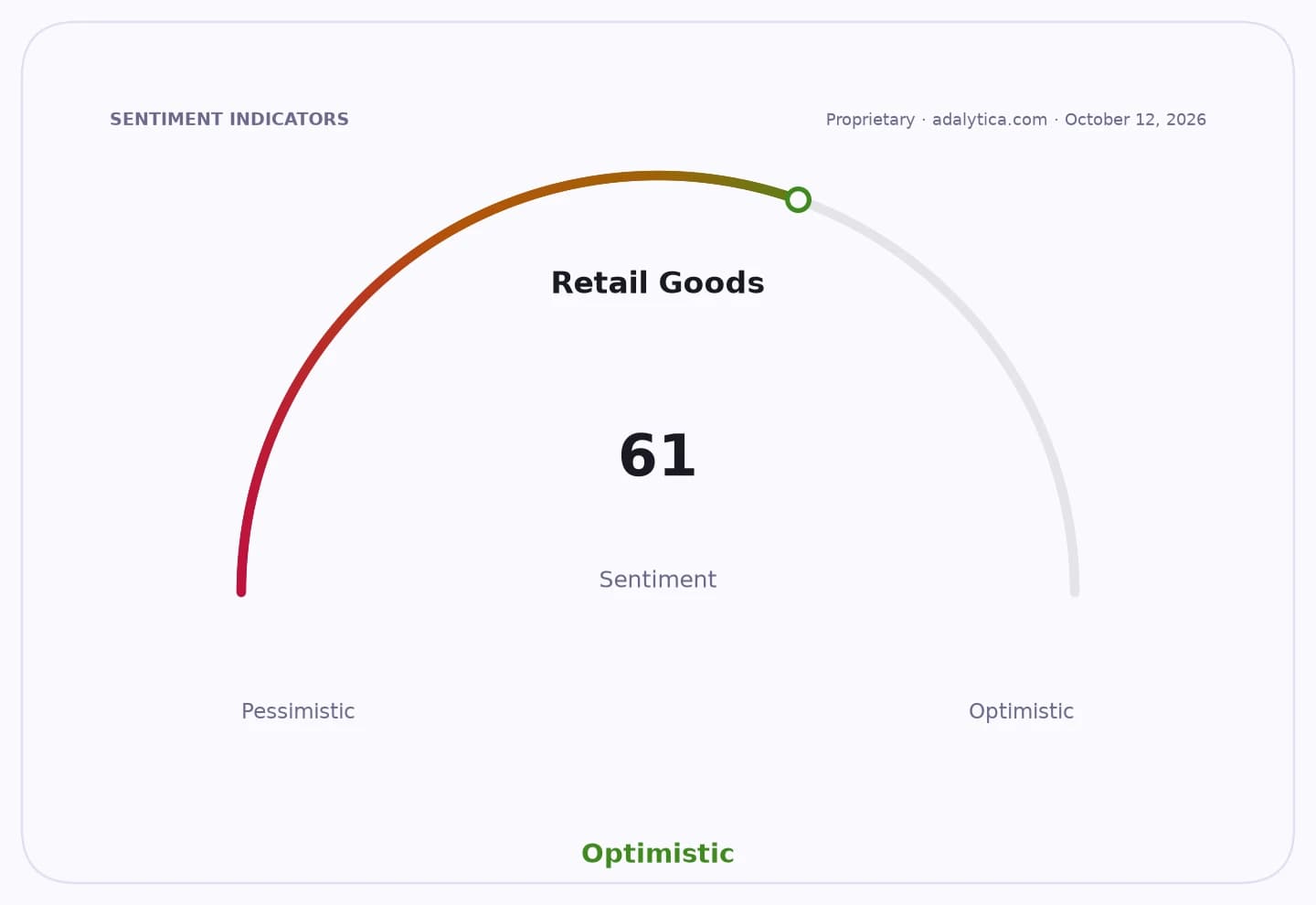
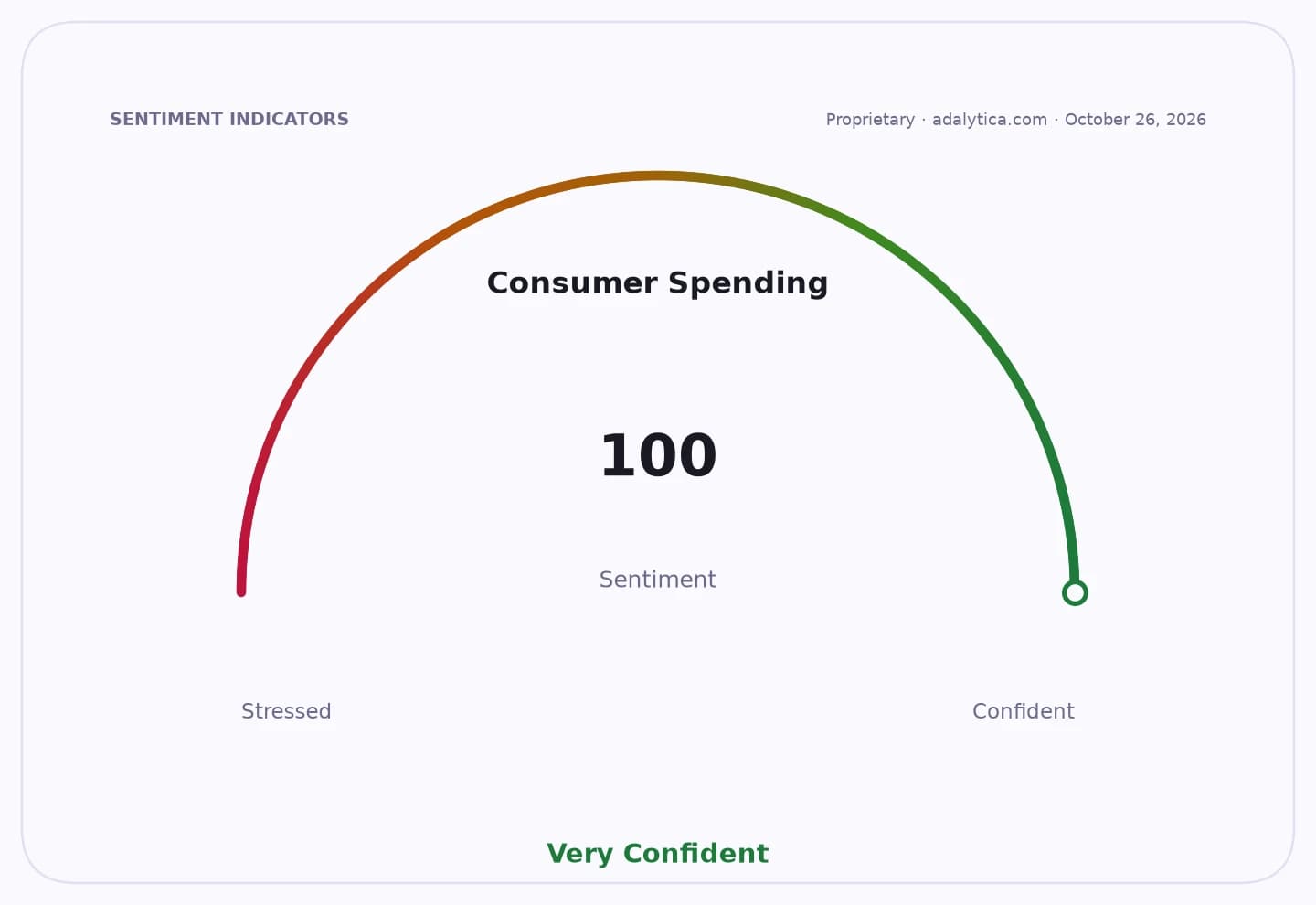
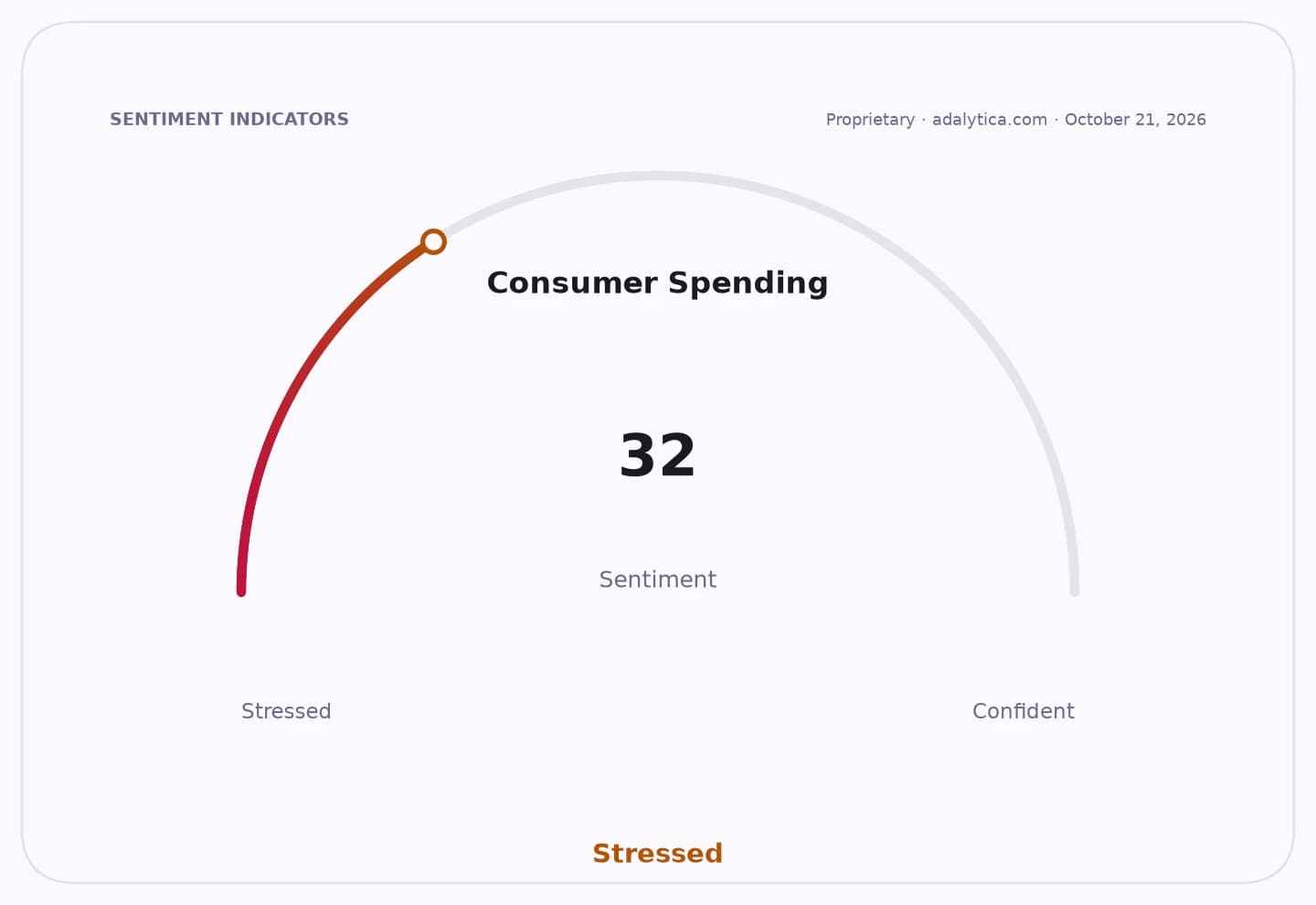
Economically, the offer points to the continued fragility of lower-income consumption even as broader consumer-spending sentiment has improved. Adalytica’s consumer spending gauge is at 100, or “Extreme Greed,” while retail-goods spending sentiment has risen to 75, but the Healthy Start scheme is a reminder that the gains are unevenly distributed. For families living close to the margin, an extra £18 over six weeks is not discretionary spending; it is a meaningful subsidy for basic nutrition.
Sainsbury’s move also has competitive significance. The company is positioning itself as the first mover on what the Food Foundation hopes will become wider industry support. That could matter if rivals follow suit, particularly in the run-up to Christmas when grocers typically compete on value messaging, loyalty schemes and basket-building offers. The targeted vouchers may not move group sales in a material way, but they can reinforce Sainsbury’s image as a lower-cost, socially responsive retailer at a time when trust and value perception are crucial.
For investors, the broader implication is that UK food retailers are still operating in an environment where value-led shopping, government support schemes and selective promotions can influence traffic and loyalty more than raw pricing power. Sainsbury’s has room to absorb a modest giveaway, but the need for such schemes highlights the underlying pressure on household real incomes and the probability that grocery demand will remain highly promotional as Christmas approaches.
The key question is whether the scheme remains a one-off gesture or becomes a template for broader retailer participation. If competitors join in, it would sharpen the focus on health-led, low-income support in grocery retail; if not, Sainsbury’s may gain a small but visible reputational advantage without materially changing the market.
| Entity | Gains | Losses |
|---|---|---|
| Eligible Healthy Start families | ▲Extra £18 on essentials | ▼Little flexibility, short expiry |
| Sainsbury’s | ▲Loyalty and goodwill | ▼Small promotional cost |
| Rival grocers | ▲Nothing immediate | ▼Potential pressure to match offer |
| Lower-income households | ▲Better access to healthy food | ▼Support remains narrowly targeted |