A Russian university-led seed coating that lifted wheat yields by more than 50% in laboratory and field tests could matter far beyond the lab if it scales, offering farmers a cheaper way to protect germination, curb disease and squeeze more grain out of the same acreage.
Russian university seed coating lifts wheat yields
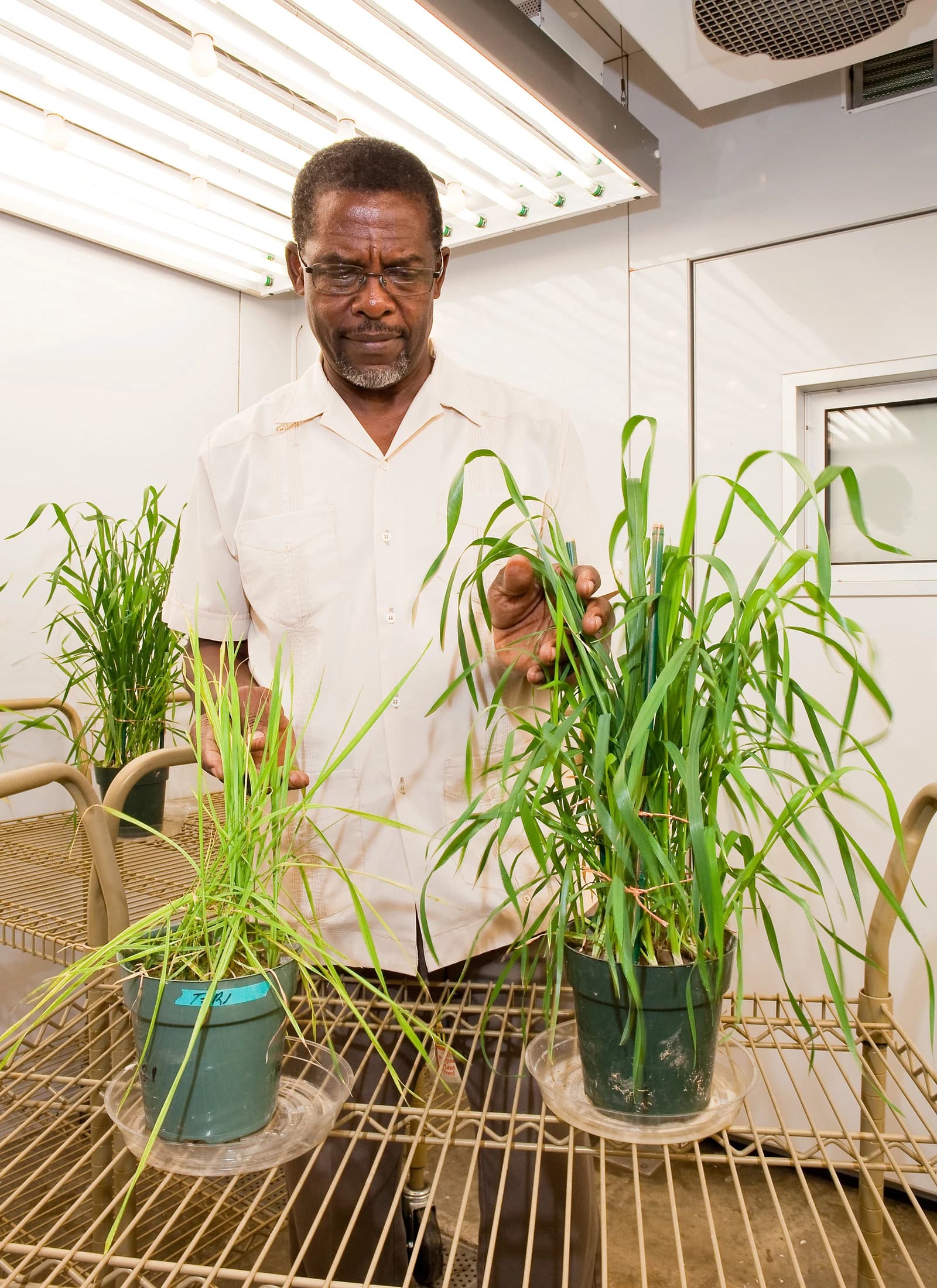
Scientists at St. Petersburg State University said they developed a polymer coating based on chitosan and glyoxal that acts both as a biological growth stimulant and an antibacterial barrier. In trials on soft wheat, the most effective preparation method increased yield by more than one-and-a-half times, while also lowering the risk of dangerous plant diseases, according to the university.
Sentiment IndicatorsⓘProprietary · adalytica.com · September 20, 2026
This is a snapshot — live sentiment, awareness and momentum for 130+ markets update continuously in the dashboard.Open AlphaPulse
That makes the work economically relevant at a time when wheat production is under pressure from weather volatility, weak winter sowing conditions in Russia and strained grain reserves in parts of South Asia. Any technology that improves seed establishment and field resilience can support output without requiring new land, a particularly important lever in regions where agricultural expansion is limited and input costs remain elevated.
The research was conducted with the participation of the All-Russian Institute of Plant Genetic Resources and other local universities, and tested at an experimental field near St. Petersburg. The focus on soft wheat is notable because the crop remains a staple of global food systems and a key export for Russia, where yield improvements can reverberate through farm income, domestic supply and trade flows.
For investors, the development highlights a broader agritech theme: the market reward for tools that can raise yields while reducing crop-loss risk. If the coating can be scaled beyond the lab, it could create an incremental opportunity for seed treatment and crop-protection suppliers, while pressuring competitors whose products are built around older chemical-only formulations. It may also reinforce demand for technologies that improve crop emergence in colder or more unpredictable climates.
The biggest caveat is commercialization. The university said the work is still a laboratory-stage technology and will need further scale-up studies before industrial use. That leaves open questions around manufacturing cost, seed treatment compatibility and regulatory clearance, all of which will determine whether the coating becomes a niche research result or a practical input for wheat growers.
Even so, the finding arrives at a sensitive moment for food markets. Any credible path to lifting wheat output by a large margin with a safer, biodegradable coating would attract attention from agribusiness groups, seed companies and governments looking for low-cost yield gains. For now, the story is less about an immediate product than about a potentially meaningful new tool in the fight to stabilize wheat supply.
| Entity | Gains | Losses |
|---|---|---|
| Wheat farmers | ▲Higher yields, lower disease risk | ▼Traditional untreated seed methods |
| SPbSU researchers | ▲Commercial relevance, scientific recognition | ▼Slow scale-up timeline |
| Seed/input companies | ▲New treatment platform opportunity | ▼Older crop-protection products |
| Food importers | ▲Potentially steadier wheat supply | ▼Buyers exposed to shortages |