Leonid Slutsky’s blunt assessment of Russian football is a reminder that the real money in sport now sits not just in stadiums, but in attention, and Russia is losing that battle.
Russian Football Attention Economy and Player Reach
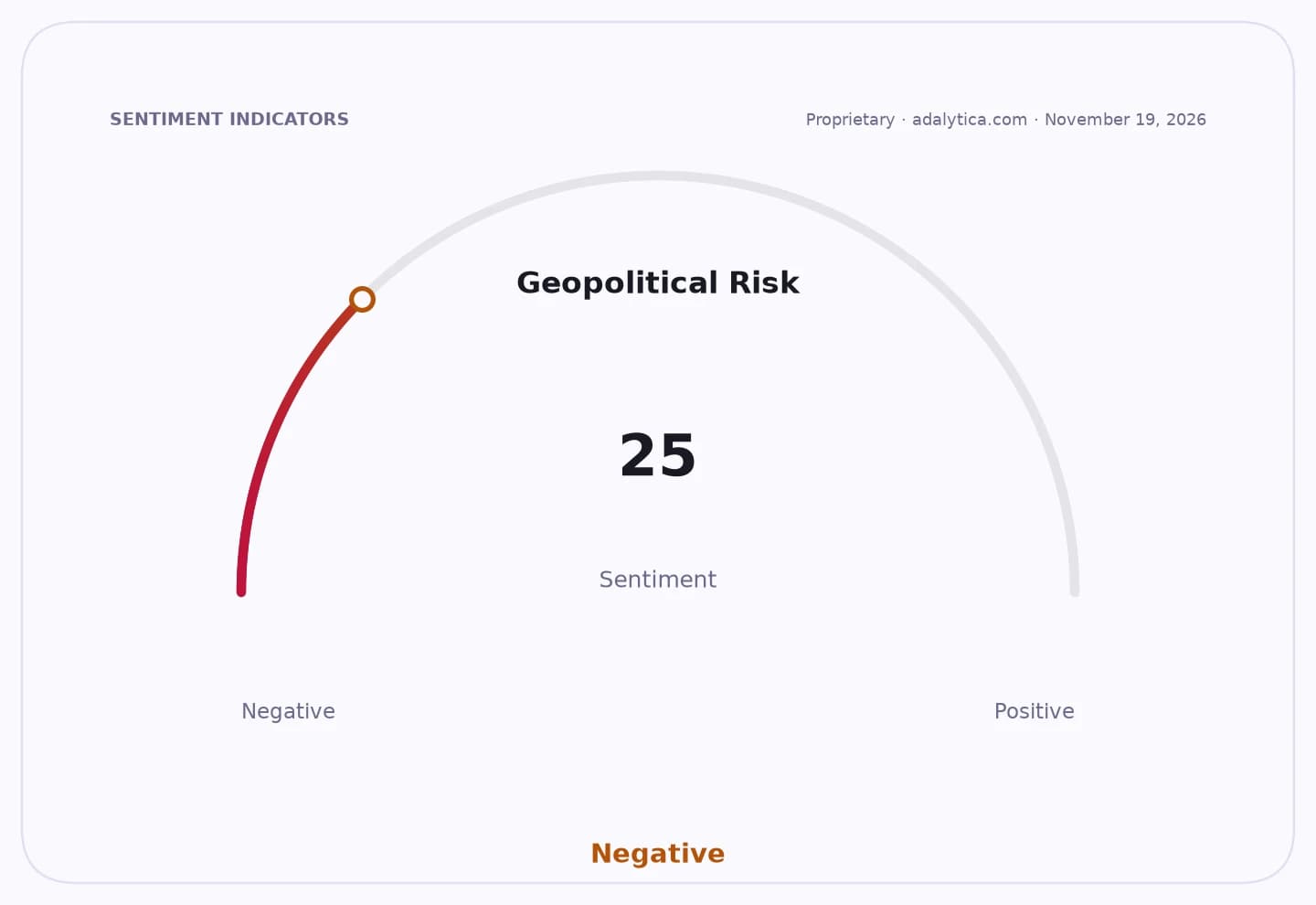
Geopolitical Risk
The former Russia coach said football in the country draws fewer people than reality shows on TNT and viral meme culture, arguing that even prominent players can remain niche at home before becoming mainstream abroad. His example was Alexey Batrakov, whom Slutsky said had only 30,000 social media followers while playing in the Russian Premier League, but nearly 1 million after moving to Turkey — where his audience has since climbed to about 1.3 million.
Sentiment Indicators
That matters because sport is increasingly an attention economy. Clubs, leagues, sponsors and broadcasters are no longer selling only match results; they are selling reach, engagement and transferability across platforms. If a player’s value can multiply simply by changing leagues, then the economics of football are being shaped as much by media ecosystems and fan culture as by on-field performance.
For investors, the message is broader than one player or one country. The winners are the leagues and brands that can convert athletes into digital assets with global followings. That favors markets with stronger media distribution, louder fan culture and better commercialization of personalities. It also explains why Turkey can offer a bigger promotional runway than Russia even when the football itself is not necessarily superior.
The contrast also underscores how fragile domestic sports demand can be when competing with entertainment formats that generate constant, low-friction engagement. Slutsky’s comparison with reality TV and memes is not just a cultural jab; it is a warning that traditional sports properties need stronger content strategies if they want to keep younger audiences and advertising money.
The investable takeaway is clear: the market underestimates the value of fan monetization outside the four lines. The next phase of sports growth will belong to the platforms, agencies and clubs that can turn players into media brands — and to the leagues that understand that attention, not tradition, is the scarce asset.
| Entity | Gains | Losses |
|---|---|---|
| Turkish football clubs | ▲Bigger player followings | ▼Smaller leagues’ talent leakage |
| Player-marketing platforms | ▲More social engagement | ▼Purely domestic sports media |
| Russian football | ▲None from this trend | ▼Fan interest and monetization |
| Sponsors and broadcasters | ▲More commercial reach | ▼Narrow, local-only audiences |