Russia remains one of the world’s leaders in the race to develop practical nuclear fusion, a reminder that the country is still trying to anchor its energy future in high-end atomic technology even as sanctions squeeze parts of its broader industrial base.
Russia, Rosatom Advance Fusion and China Reactor Work
That matters because fusion is the kind of long-duration scientific bet that can reshape electricity markets, industrial policy and geopolitical leverage if it ever becomes commercial. For investors, the message is less about near-term revenue and more about who controls the technologies that could define the next era of clean, dispatchable power — and who gets left behind.
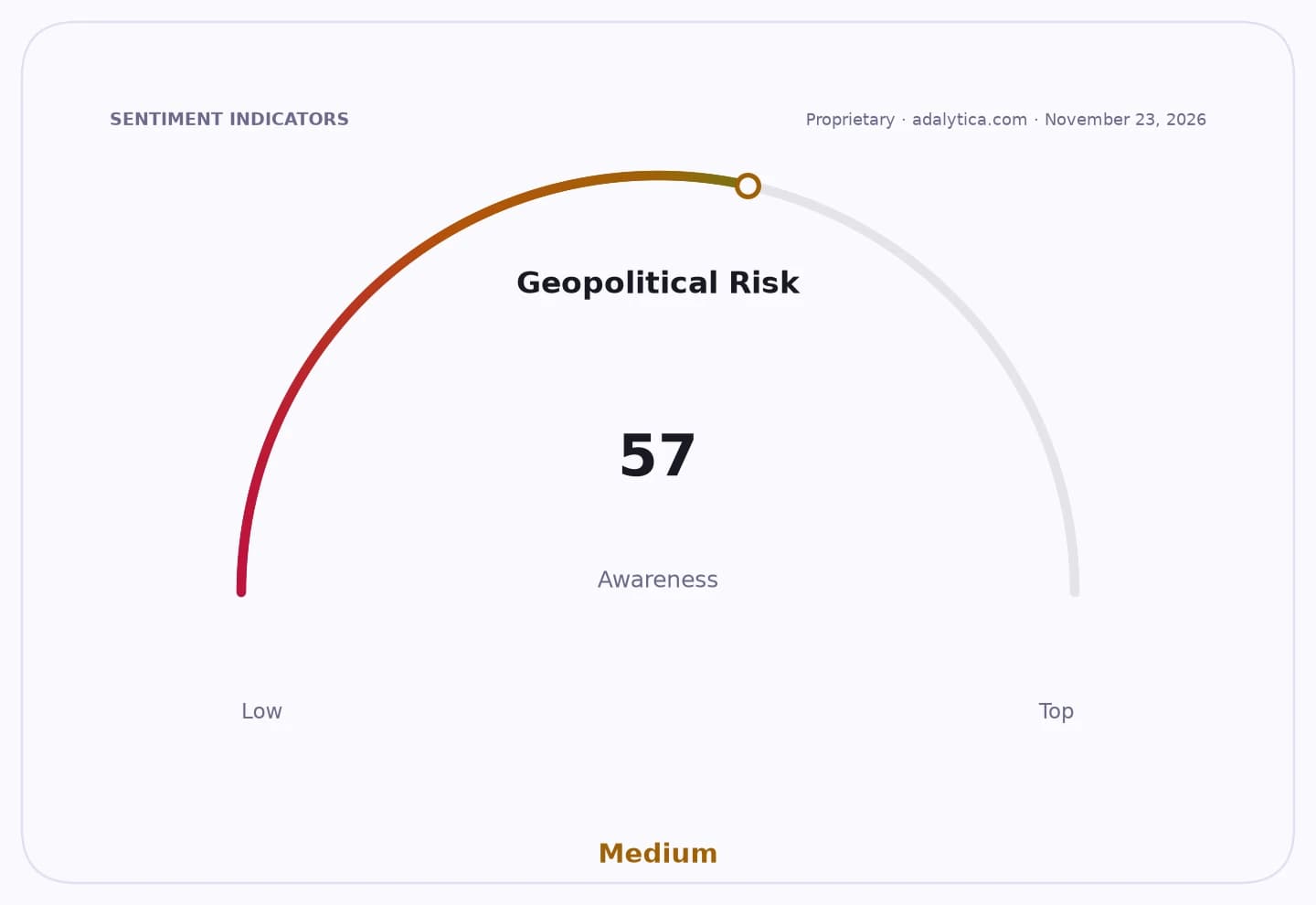
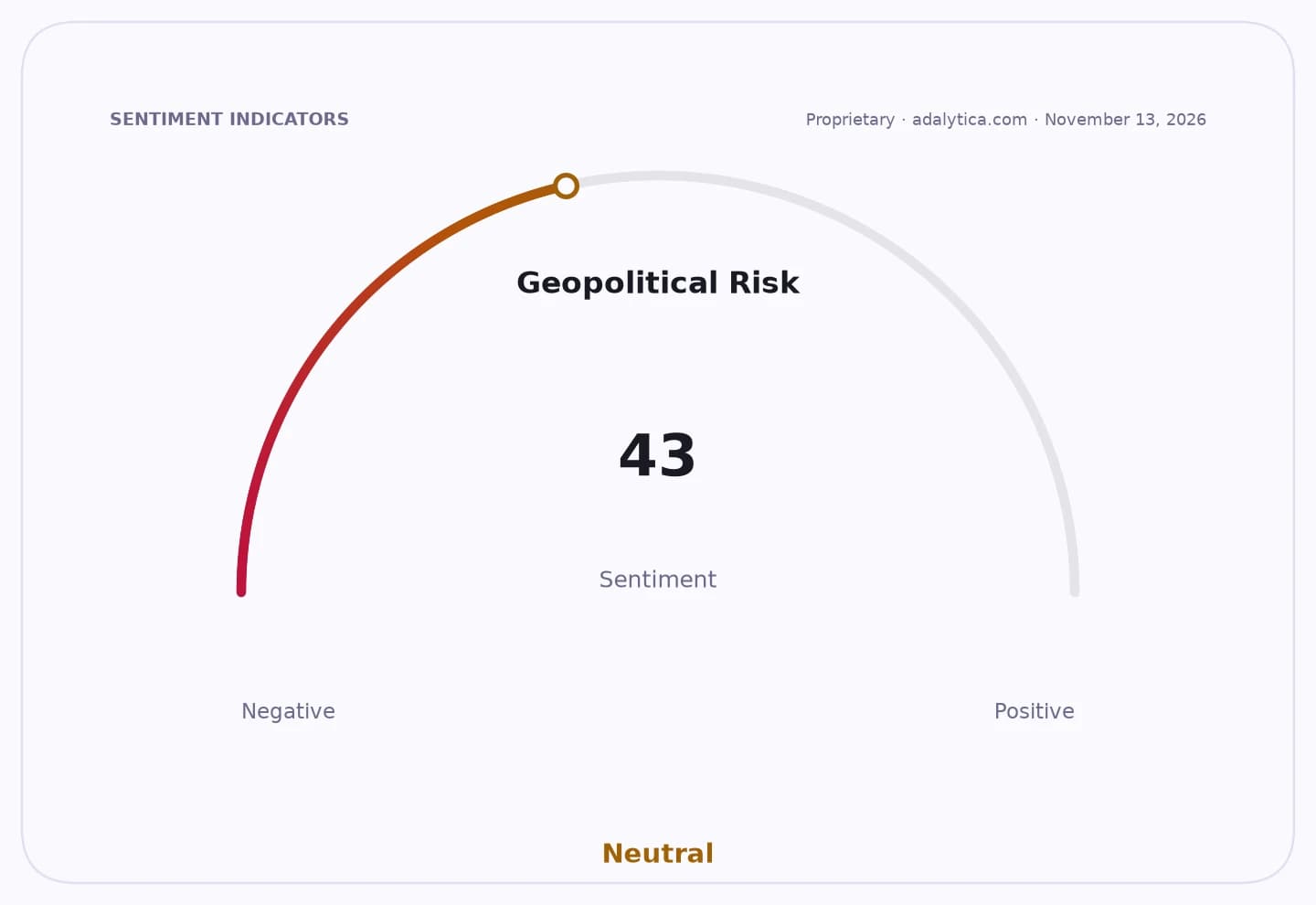
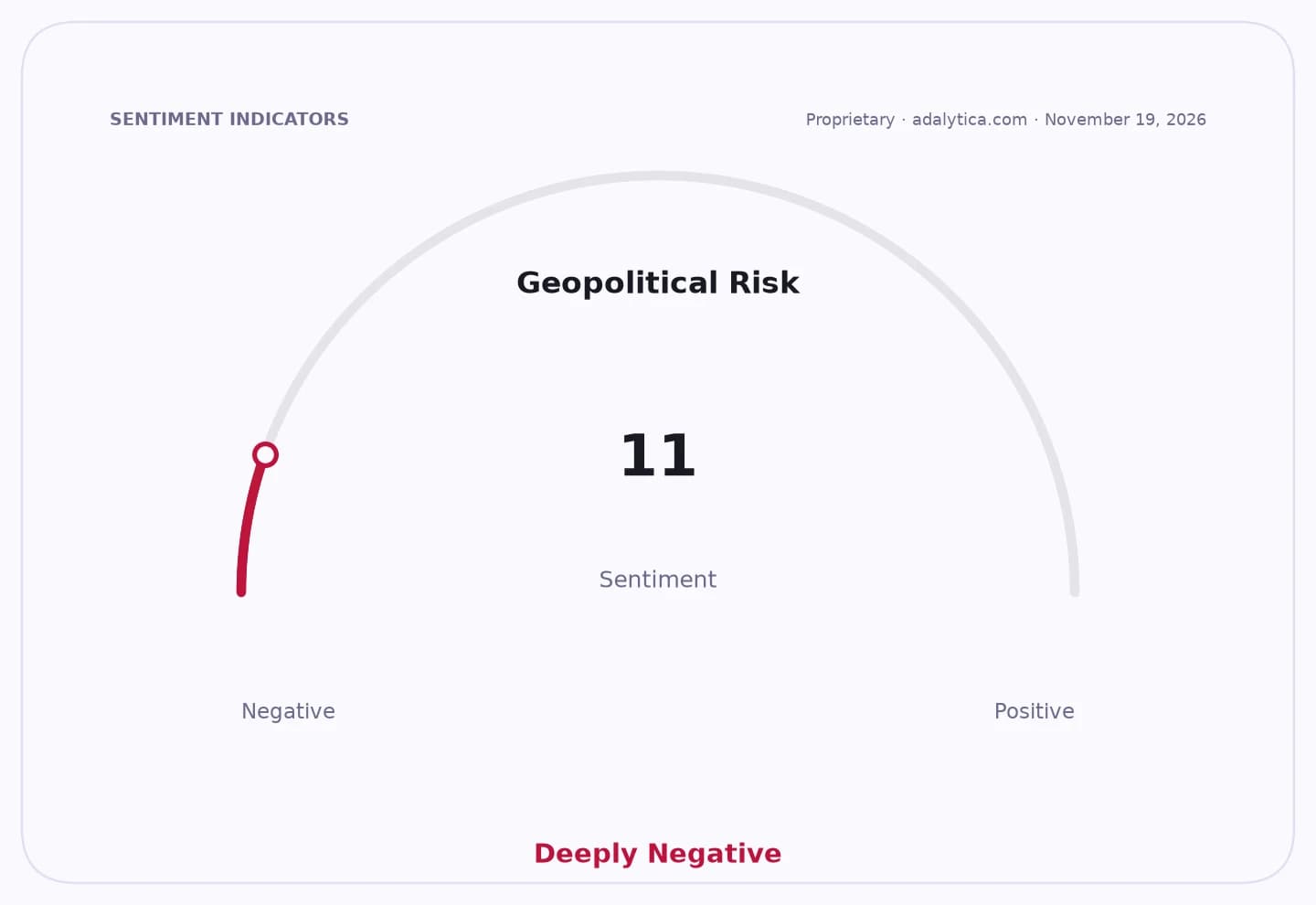
Sentiment Indicators
Rosatom chief Alexei Likhachev said Russia continues to pursue its own fusion projects, while also working with the United States and other countries through ITER, the international experiment meant to prove that collaboration can outpace rivalry in one of science’s hardest fields. He also said China and the U.S. are building their own fusion systems, underscoring that the competition is global, expensive and still unresolved.
The strategic backdrop is straightforward: whoever masters fusion, or even advances far enough to dominate adjacent technologies, could gain an edge in grid reliability, advanced materials, precision engineering and exportable nuclear expertise. That is one reason Moscow keeps emphasizing its nuclear credentials. President Vladimir Putin has already framed Russia as a leader in nuclear technology and civilian atomic power, part of a broader effort to project technological self-sufficiency.
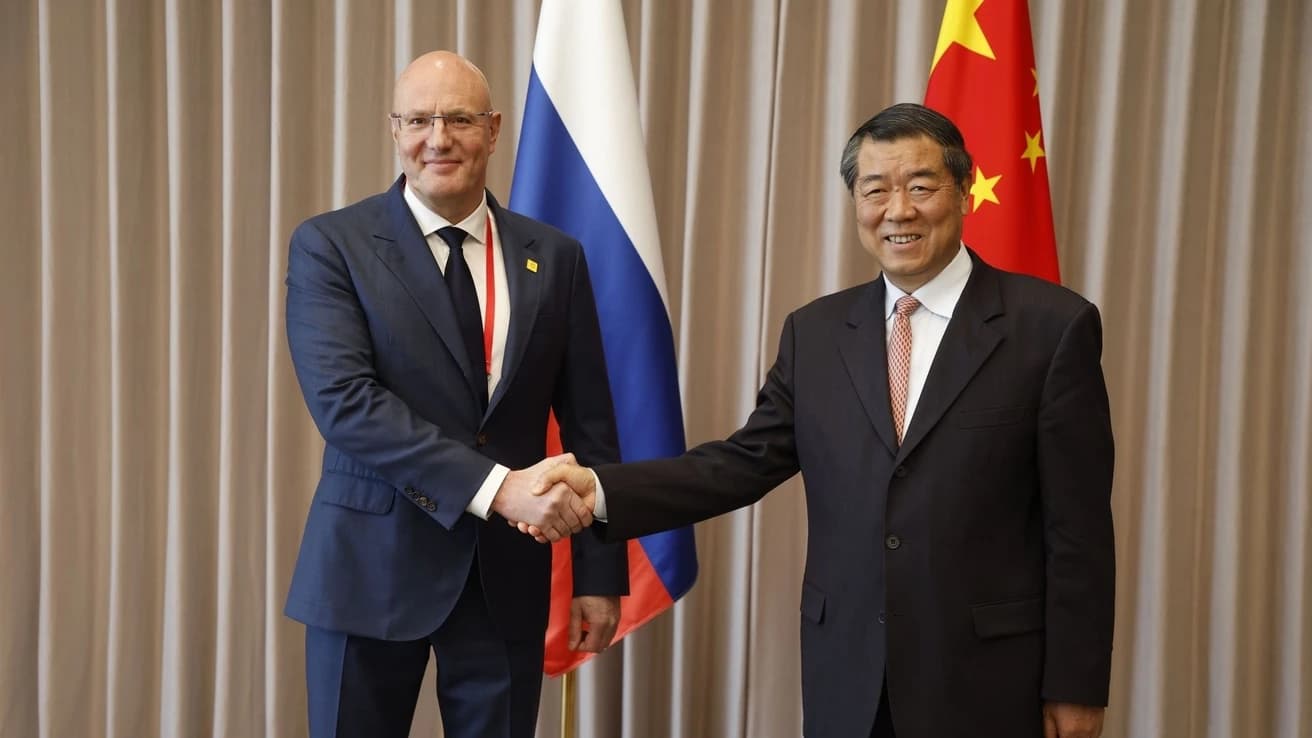
There is also a more immediate commercial story. Likhachev said the third unit of the Xudapu nuclear plant in China, built by Rosatom specialists, is ready to start up once Chinese regulators give the final approval. That is the sort of conventional nuclear work that still pays the bills today, even if fusion remains decades away from commercialization.
For investors, the distinction matters. Fusion headlines are about optionality and national prestige. Operating reactors, fuel services and overseas construction are about cash flow, backlog and real-world demand. In other words, the future may be fusion, but the investable present is still nuclear equipment, uranium supply and reactor servicing.
That is why the broader nuclear complex remains worth watching. Companies tied to uranium production, reactor construction and fuel cycles stand to benefit if governments keep leaning into nuclear power as a hedge against energy security risks and intermittent renewables. The path will be volatile, and fusion itself could take years — if not much longer — to arrive, but the capital is already flowing toward the technologies and suppliers most likely to profit from a renewed nuclear buildout.
| Entity | Gains | Losses |
|---|---|---|
| Russia / Rosatom | ▲Prestige and overseas nuclear contracts | ▼Pressure to prove fusion progress |
| China | ▲Near-term reactor completion | ▼Delays from regulatory approval |
| U.S. and global fusion rivals | ▲Faster technology race | ▼Loss of first-mover advantage |
| Nuclear suppliers and uranium investors | ▲More long-term demand | ▼Risk if fusion remains distant |