Russia’s asset managers have warned Finance Minister Anton Siluanov that a proposed tax on mutual funds could force them to sell government bonds, a move that would undercut demand for domestic debt at a time when the state still relies heavily on local investors.
Russia mutual fund tax could hit OFZ demand
The concern matters because open-ended funds are among the steady buyers of Russian OFZs, and any tax change that makes them less efficient vehicles for investors risks disrupting a key funding channel for the budget. If managers are pushed to rebalance out of bonds, the Treasury could face higher borrowing costs just as policy makers are trying to keep financing conditions orderly.
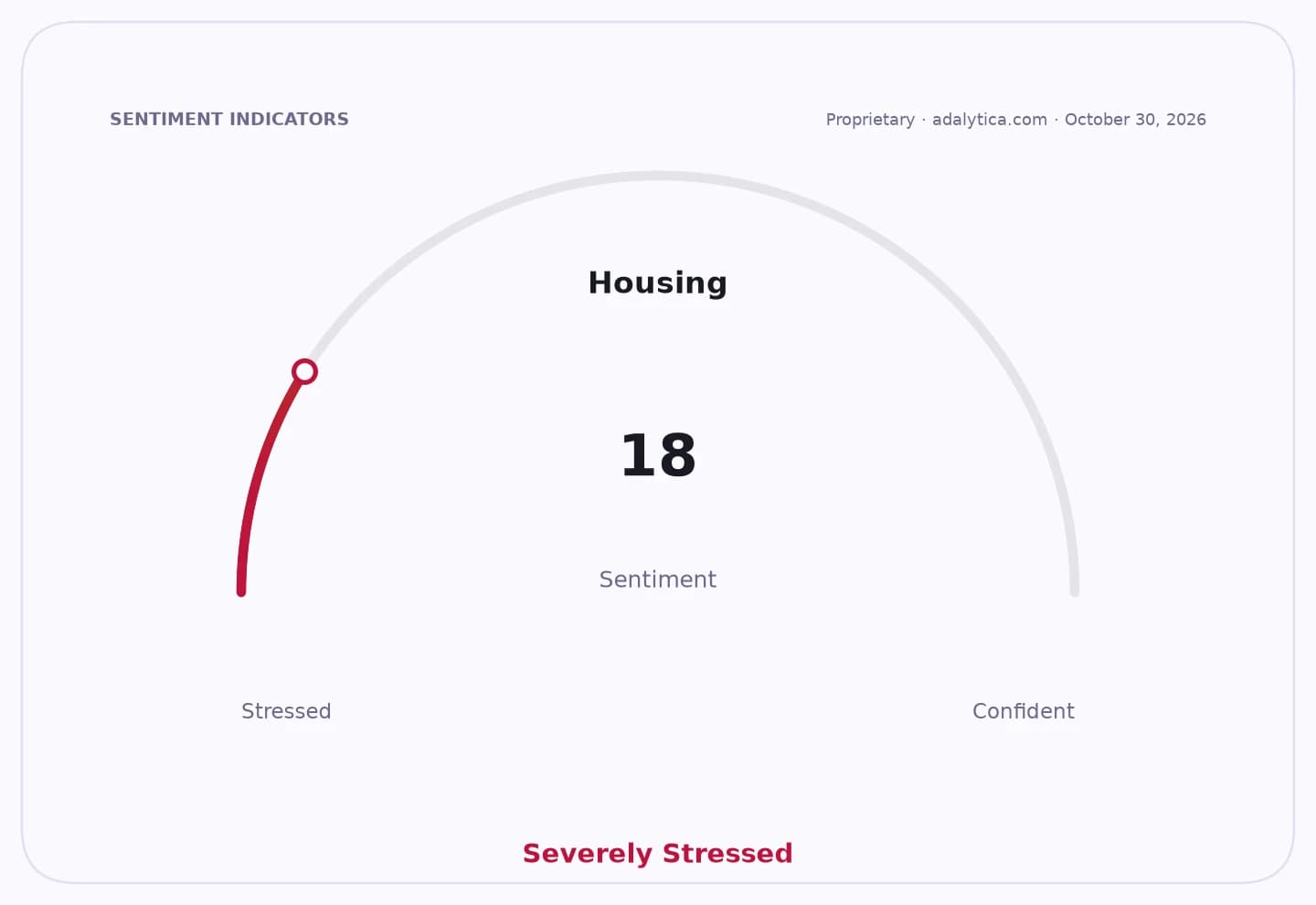
Sentiment Indicators
The warning comes against a backdrop of already fragile market sentiment. Russian debt investors have been navigating sanctions-related distortions, a shifting policy environment and limited foreign participation, leaving domestic institutions to absorb most issuance. Any change that discourages mutual fund holdings would therefore ripple beyond the funds themselves and into the sovereign bond market as a whole.
For investors, the immediate issue is whether the tax proposal creates a technical selloff in public debt or a longer-term repricing of Russian fixed income. The risk is not only lower demand from mutual funds but also wider spreads and reduced liquidity in OFZs if managers are forced to alter portfolio structures to protect after-tax returns.
There is also a political economy angle. The finance ministry is looking for revenue, but taxing mutual funds can be counterproductive if it weakens the state’s own financing base. The likely compromise, if one emerges, would be a narrower tax design that preserves the attractiveness of government bonds inside pooled vehicles while still raising money from other investment income.
For now, the key market question is whether Siluanov signals flexibility or presses ahead. A softer line would support the bond market and help stabilize domestic demand; a harder one could prompt near-term selling and make it more expensive for Russia to fund itself through local debt.
| Entity | Gains | Losses |
|---|---|---|
| Russian Treasury | ▲Potential tax revenue | ▼Higher borrowing costs |
| Asset managers | ▲Tax clarity, if rules soften | ▼Forced portfolio sales |
| Mutual fund investors | ▲Possible exemptions | ▼Lower after-tax returns |
| OFZ market | ▲None if demand holds | ▼Weaker demand, lower liquidity |