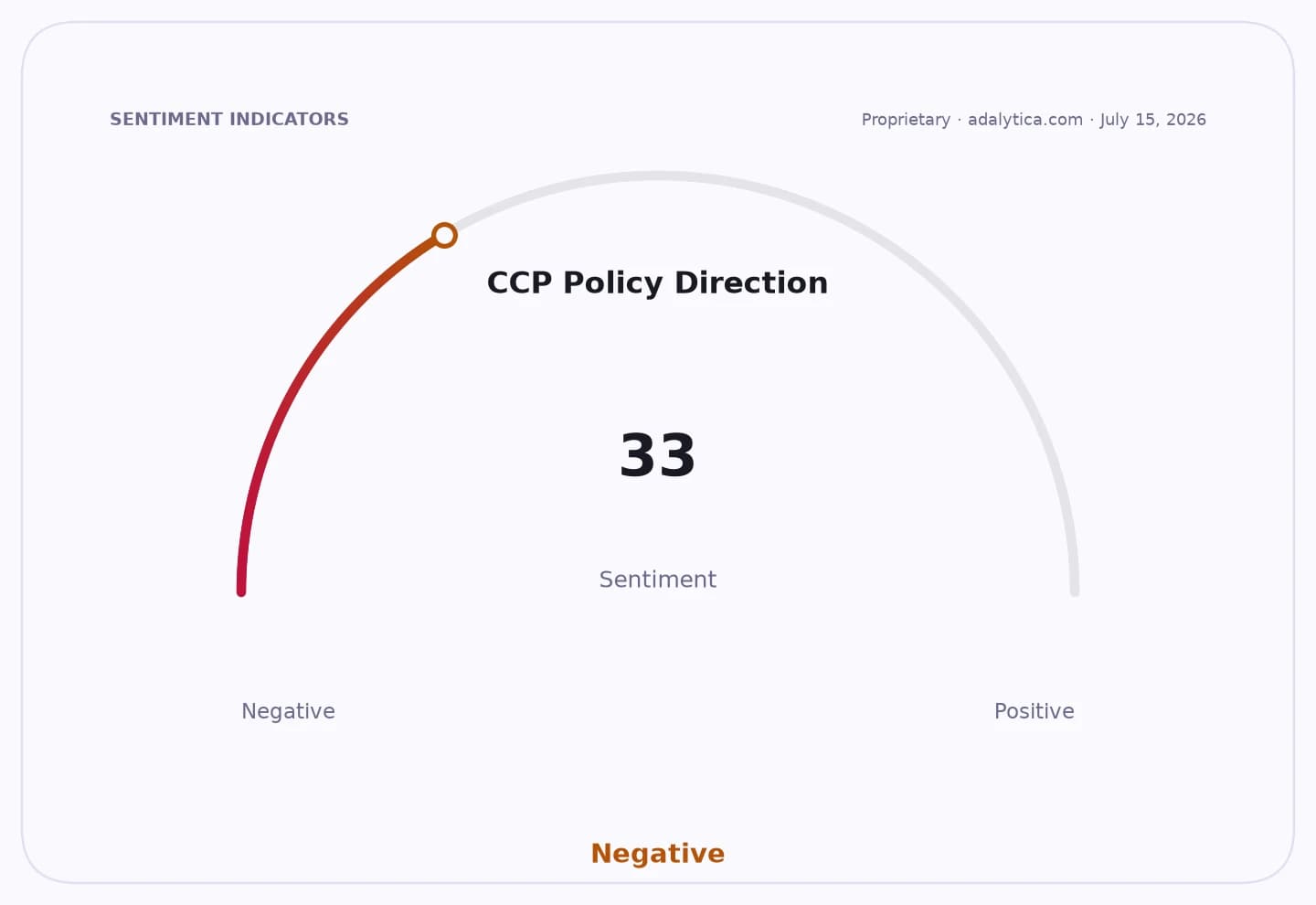
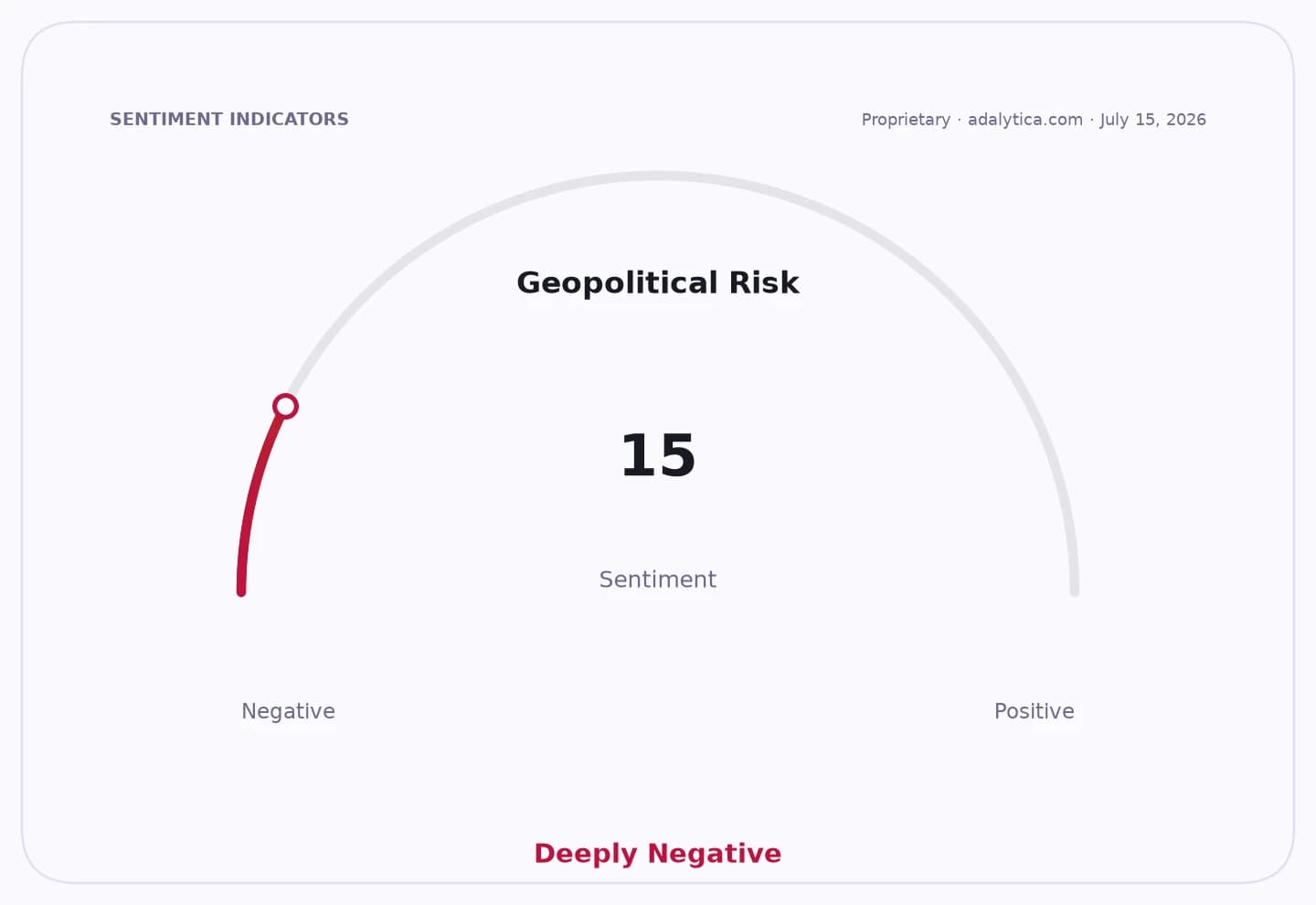
Russia’s LNG trade with China is accelerating fast, and that matters because it tightens one of the world’s most important energy pivots: Moscow is finding a larger captive market while Beijing is locking in supply that reduces exposure to Western pressure and volatile global LNG spot prices.
Russia LNG Exports to China Rise in 2026

Russia shipped 5.153 million tons of liquefied natural gas to China in the first eight months of 2026, up 28.31% from a year earlier, according to Chinese customs data. The value of those imports rose 13.19% to $2.669 billion. For the full year 2025, Russian LNG deliveries to China hit a record 9.799 million tons, underscoring how quickly the trade relationship has become structurally larger, not just opportunistic.
Sentiment IndicatorsⓘProprietary · adalytica.com · September 23, 2026
This is a snapshot — live sentiment, awareness and momentum for 130+ markets update continuously in the dashboard.Open AlphaPulse

The economic significance is straightforward: this is another sign that the global LNG map is being redrawn by geopolitics. Russia is increasingly pushing molecules east as Europe remains largely shut off, while China is using its buying power to diversify supply and bargain down its dependence on any single source. That combination supports Russian export volumes even as sanctions complicate its access to Western capital and technology, and it gives China more leverage in a market still prone to supply shocks from the Middle East and shipping disruptions.
For investors, the message is more nuanced. The immediate impact is not on spot LNG prices alone, but on the balance of power across the entire gas value chain. Higher Russian flows into China can cap upside in Asian LNG demand growth at the margin, which matters for U.S. exporters, cargo traders, shipping companies and developers relying on tight supply conditions to justify new liquefaction projects. At the same time, it reinforces the long-term case for anyone selling LNG capacity, ships, tanks, pipelines and regasification assets: this is still a secular buildout, just with trade routes shifting toward geopolitically aligned blocs.
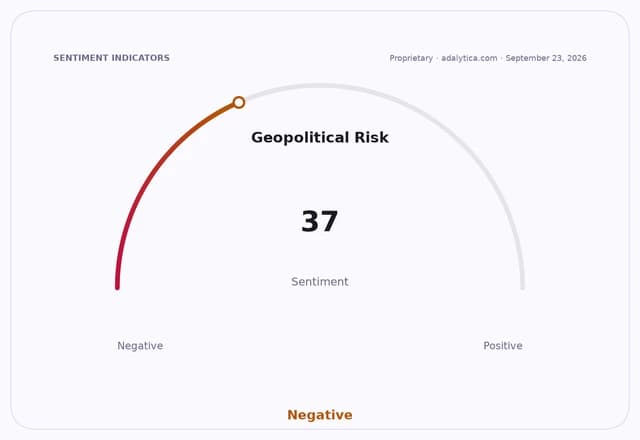
That is why LNG names remain investable even when the commodity looks soft on any given day. U.S. natural gas futures have been volatile, and the broader natural gas tape has been weak, reflecting the market’s fear that supply will outrun demand. But a Russia-China corridor that keeps expanding tells you global LNG is not becoming less strategic — it is becoming more fragmented. Fragmented markets usually reward infrastructure owners, toll-road operators and the low-cost producers with the best access to buyers.
The bigger narrative is that energy security, not just energy economics, is setting the terms of trade. China wants reliable supply. Russia wants revenue and relevance. The West wants to contain both. That tension is unlikely to fade, and every additional million tons moving from Russian projects into China makes the global LNG market more politically segmented and more investable for the companies positioned on the right side of the buildout.
For investors, the takeaway is to stay focused on the picks-and-shovels: LNG exporters with scale, LNG shipping, and infrastructure tied to Asia’s long-term gas demand. The market may be underestimating how durable this eastward rerouting of Russian energy flows can be.
| Entity | Gains | Losses |
|---|---|---|
| Russia | ▲Higher LNG sales | ▼Western market access |
| China | ▲Supply security | ▼Dependence on spot cargoes |
| U.S. LNG exporters | ▲Long-term infrastructure demand | ▼Near-term Asian pricing power |
| LNG shipping/infrastructure | ▲More trade flows | ▼Commodity price volatility |