Russia and China are signaling that their strategic alignment is becoming a long-term feature of global politics, a development that matters because it can reshape trade, diplomacy and risk pricing across energy, commodities and emerging markets.
Russia and China Deepen Strategic Alignment
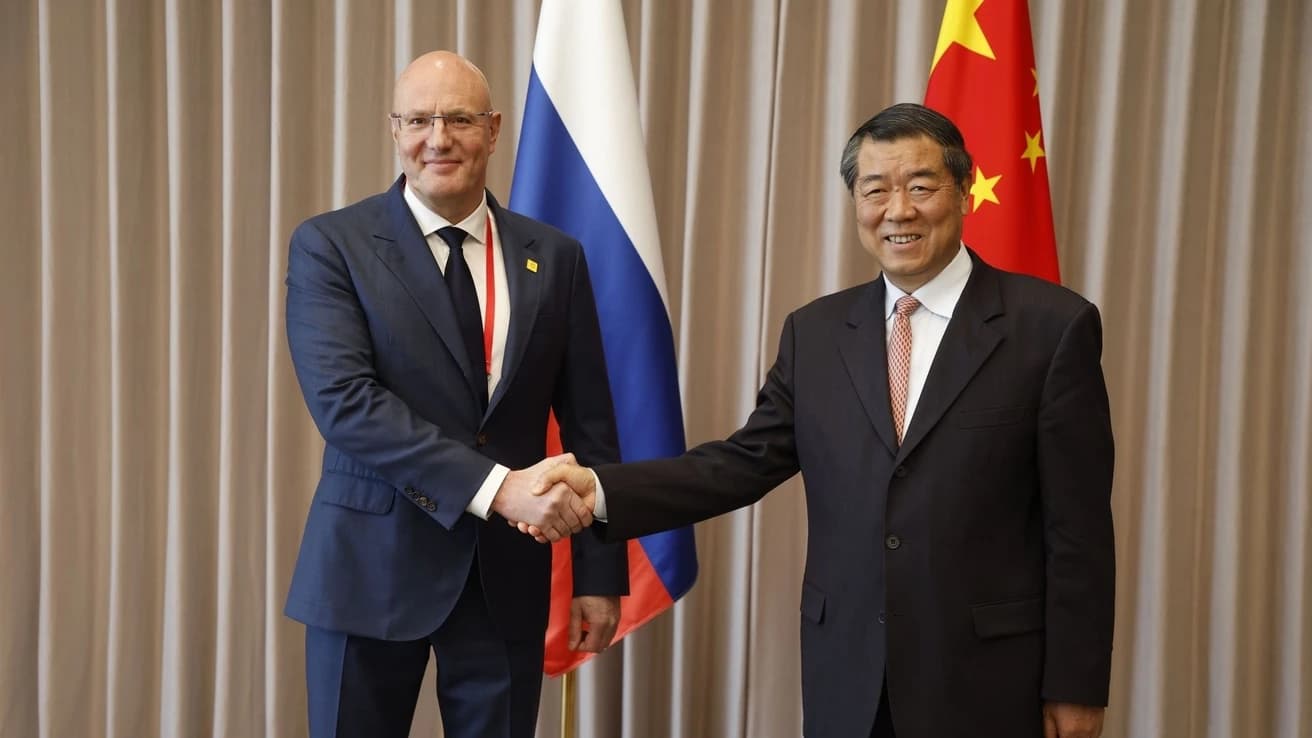
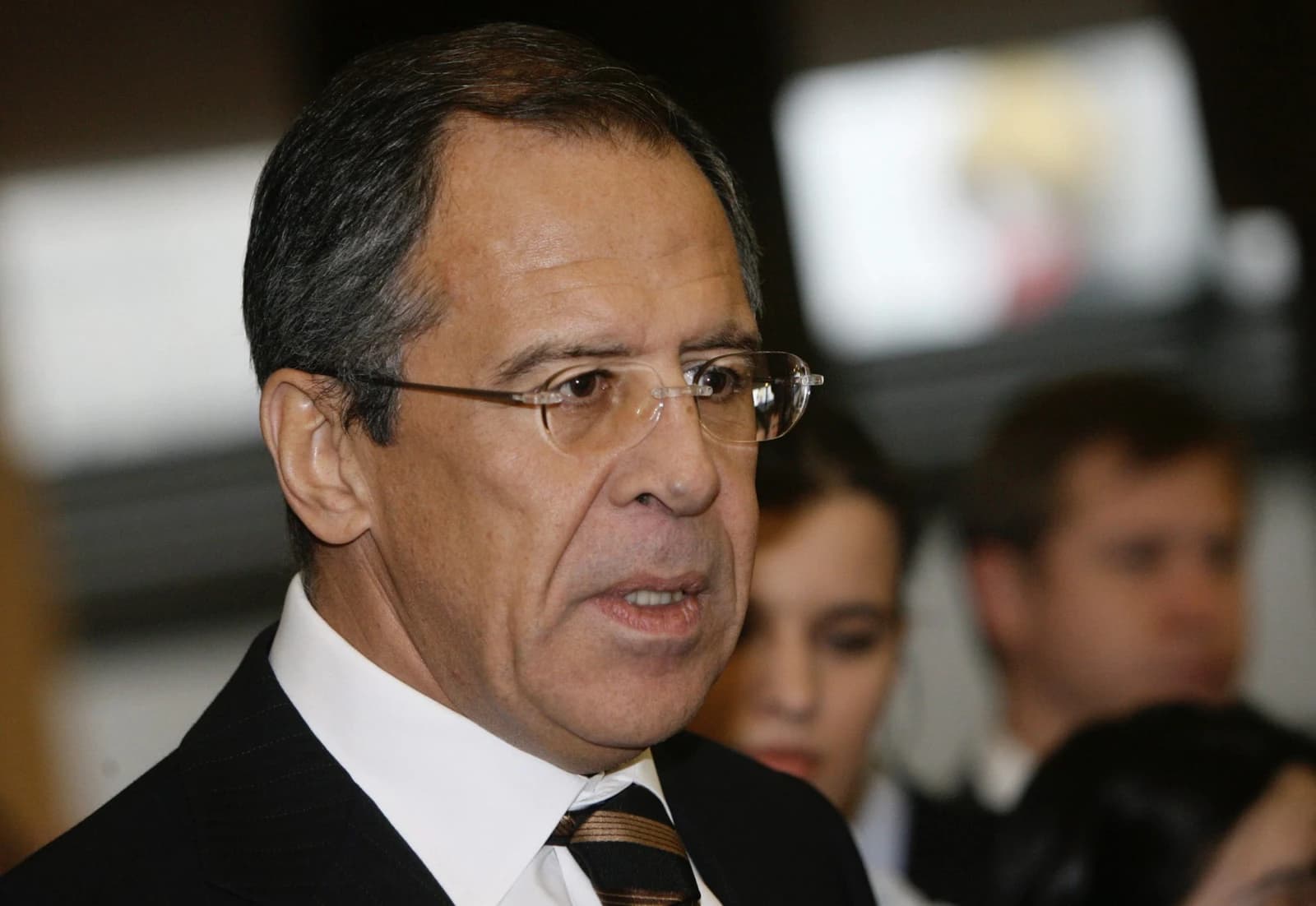
Valentina Matvienko, Russia’s upper-house speaker, said during an official visit to China that Moscow and Beijing will continue working together to promote a “multipolar” world order and defend international law, casting the two countries as leaders of a fairer global system. That language is not just ideological branding. It is a direct reminder that two of the world’s biggest powers are coordinating their foreign policy at a time when sanctions, regional conflicts and great-power rivalry are already forcing investors to think harder about supply chains, capital flows and the durability of existing alliances.
Sentiment Indicators
For markets, the immediate takeaway is that the Russia-China relationship is not easing back toward the prewar status quo. If anything, it is becoming more institutionalized, even as Beijing stops short of a military alliance. China’s reluctance to formalize a defense pact with Russia reflects its desire to preserve strategic flexibility, but it does not lessen the economic significance of the partnership. The two countries have already deepened cooperation in energy, commodities, payments and diplomacy, and that can keep pressure on Western efforts to isolate Russia while widening the gap between geopolitical blocs.
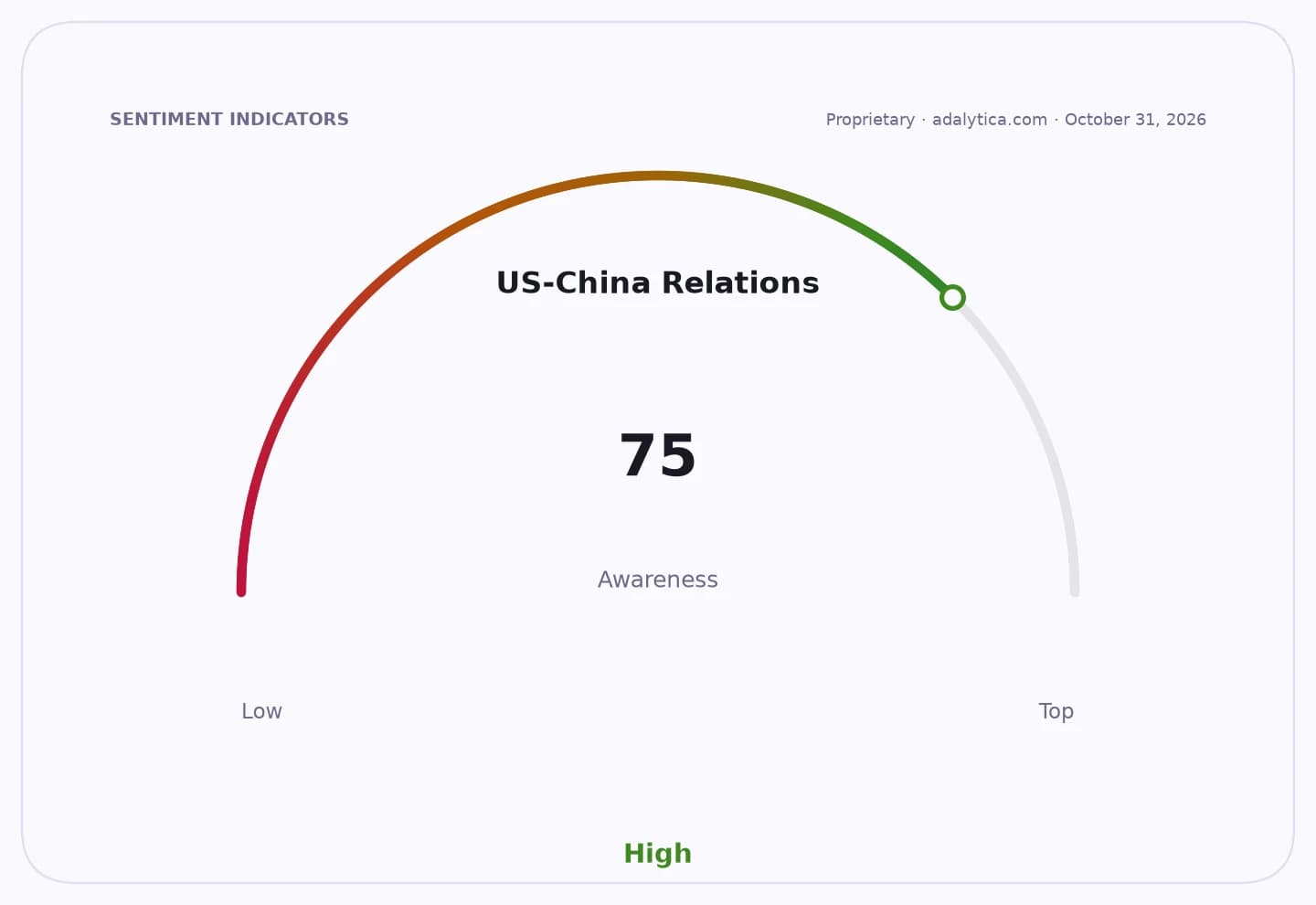
The backdrop is a world that is already nervous. Adalytica’s Global Stability Sentiment is at 93, in “Extreme Greed,” while awareness remains in “Extreme Fear,” a combination that suggests investors are alert to geopolitical risk even as risk appetite stays high. That tension matters because markets often underprice slow-burning diplomatic shifts until they show up in sanctions policy, shipping routes, commodity pricing or defense spending.
Geopolitical Risk
There is also a clear investing angle. For holders of China-focused assets such as the iShares China Large-Cap ETF, FXI, the message is that Beijing’s foreign policy is still tied to strategic competition with the West, which can support state-backed industrial policy but also sustain valuation discounts. FXI has been volatile, slipping to $33.08 on Oct. 30 after trading above $40 earlier in the year, with its 50-day moving average around $34.19 and the 200-day near $35.52. The pullback reflects not just China’s domestic growth concerns but also the market’s persistent unease about geopolitics. Brazil’s EWZ, meanwhile, has been battered too, dropping to $32.46 after a much stronger run, showing how quickly emerging-market sentiment can reverse when global risk jitters rise.
For long-term investors, the big picture is simpler than the headlines. Russia and China are trying to build a durable counterweight to the U.S.-led order, and that push can influence everything from energy markets to defense budgets over the next several years. You do not need to trade every diplomatic headline, but you do need to respect the fact that geopolitical fragmentation is no longer a side issue — it is part of the investment landscape. That makes diversification, patience and a focus on companies with real pricing power and strong free cash flow more important than ever. Worth watching, especially if you own China or emerging-market exposure.
| Entity | Gains | Losses |
|---|---|---|
| Russia | ▲Diplomatic backing | ▼Western isolation |
| China | ▲Strategic flexibility | ▼Alliance pressures |
| Emerging-market blocs | ▲Alternative power center | ▼Global integration |
| FXI holders | ▲Policy support narrative | ▼Geopolitical discount |