Royal Enfield’s Himalayan 750 is shaping up as a heavier, more powerful challenger to BMW’s F 450 GS, highlighting how the adventure-bike market in India is shifting toward larger-displacement machines with more hardware, more electronics and sharper positioning.
Royal Enfield Himalayan 750 vs BMW F 450 GS
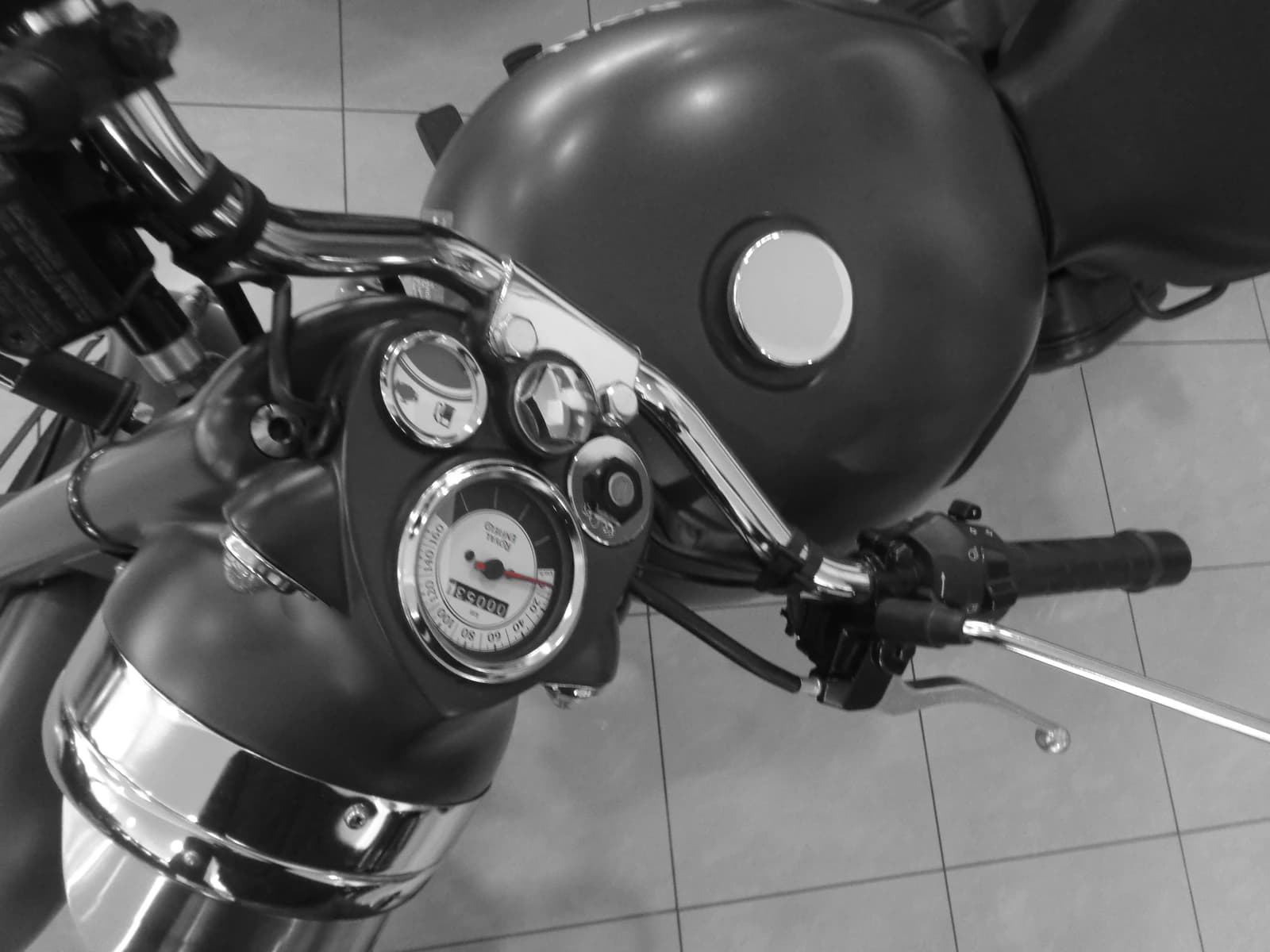
The comparison matters because this is no longer just a styling exercise between two niche motorcycles. Royal Enfield is using the Himalayan 750 to move upmarket in a segment where buyers increasingly want long-distance capability, premium features and enough torque for touring and rough roads. BMW, meanwhile, is betting that a lighter, more tech-laden 450cc platform can win riders who value agility, rider aids and brand cachet over outright displacement.
On paper, the Royal Enfield looks like the more muscular package. The Himalayan 750 is expected to use a 743cc parallel-twin engine, giving it a clear displacement advantage over the BMW F 450 GS’s 420cc parallel-twin unit. The BMW is rated at 48hp at 8,750 rpm and 43Nm of torque at 6,750 rpm, with a six-speed gearbox. Royal Enfield has not disclosed official power and torque figures, but the larger engine size suggests stronger low- and mid-range output, which typically matters more in adventure riding than peak horsepower.
That torque-heavy character could be the Himalayan 750’s key selling point if Royal Enfield prices it aggressively. In India, adventure motorcycles have become one of the most competitive premium categories, with buyers weighing not just engine size but suspension travel, wheel setup, weight and accessories. The Himalayan 750 gets 19-inch front and 17-inch rear wheels, like the BMW, and is expected to offer both cast-alloy and tubeless spoked-wheel options, giving it flexibility for road-focused and off-road-oriented customers.
BMW’s F 450 GS, though, counters with equipment that appeals to a more premium buyer. It comes with standard cast-alloy wheels, optional rugged cross-spoke wheels, engine brake control, dynamic traction control and ABS Pro, plus optional heated grips. The GS Trophy variant also includes BMW’s Easy Ride Clutch, while the bike gets a 6.5-inch TFT display. Those features matter because the middleweight adventure segment is increasingly defined by electronics as much as engine output, especially among riders upgrading from entry-level machines.
Weight may prove decisive. The BMW is positioned as the lighter bike, which should help it in urban use, technical off-road riding and for newer adventure riders who value easier handling. The Royal Enfield’s likely advantage is stronger road manners and loaded-touring ability, but that could come at the cost of bulk. The market will effectively decide whether buyers in this segment want a manageable, tech-rich 450cc machine or a bigger, more traditional twin built around torque and presence.
The strategic significance for Royal Enfield is clear. If the Himalayan 750 lands at a competitive price, it could broaden the brand’s reach beyond its established single-cylinder adventure lineup and strengthen its premium credentials ahead of a planned India launch at Motoverse 2026, after its debut at EICMA 2026. Royal Enfield has not yet disclosed pricing, leaving room for speculation — and for BMW to defend its position if the F 450 GS reaches customers with a strong feature set and a credible price point.
For investors and industry watchers, the matchup is another sign that India’s motorcycle market is moving up the value chain. The next battleground is not just affordability, but the balance between performance, electronics, weight and brand identity. If Royal Enfield can convert displacement into demand, it could pressure rivals in the premium adventure space; if BMW’s lighter, better-equipped formula resonates more, it would reinforce the case that tech and handling can outweigh raw engine size.
| Entity | Gains | Losses |
|---|---|---|
| Royal Enfield Himalayan 750 | ▲Torque, touring appeal | ▼Weight disadvantage |
| BMW F 450 GS | ▲Electronics, lighter handling | ▼Lower displacement |
| India premium adventure segment | ▲More choice, faster innovation | ▼Price pressure |