Romania’s ruling Social Democratic Party is weighing a cut to labor taxes that could leave minimum-wage workers paying no income tax at all, a move that would boost take-home pay without forcing employers to raise gross salaries.
Romania PSD Weighs Lower Labor Taxes

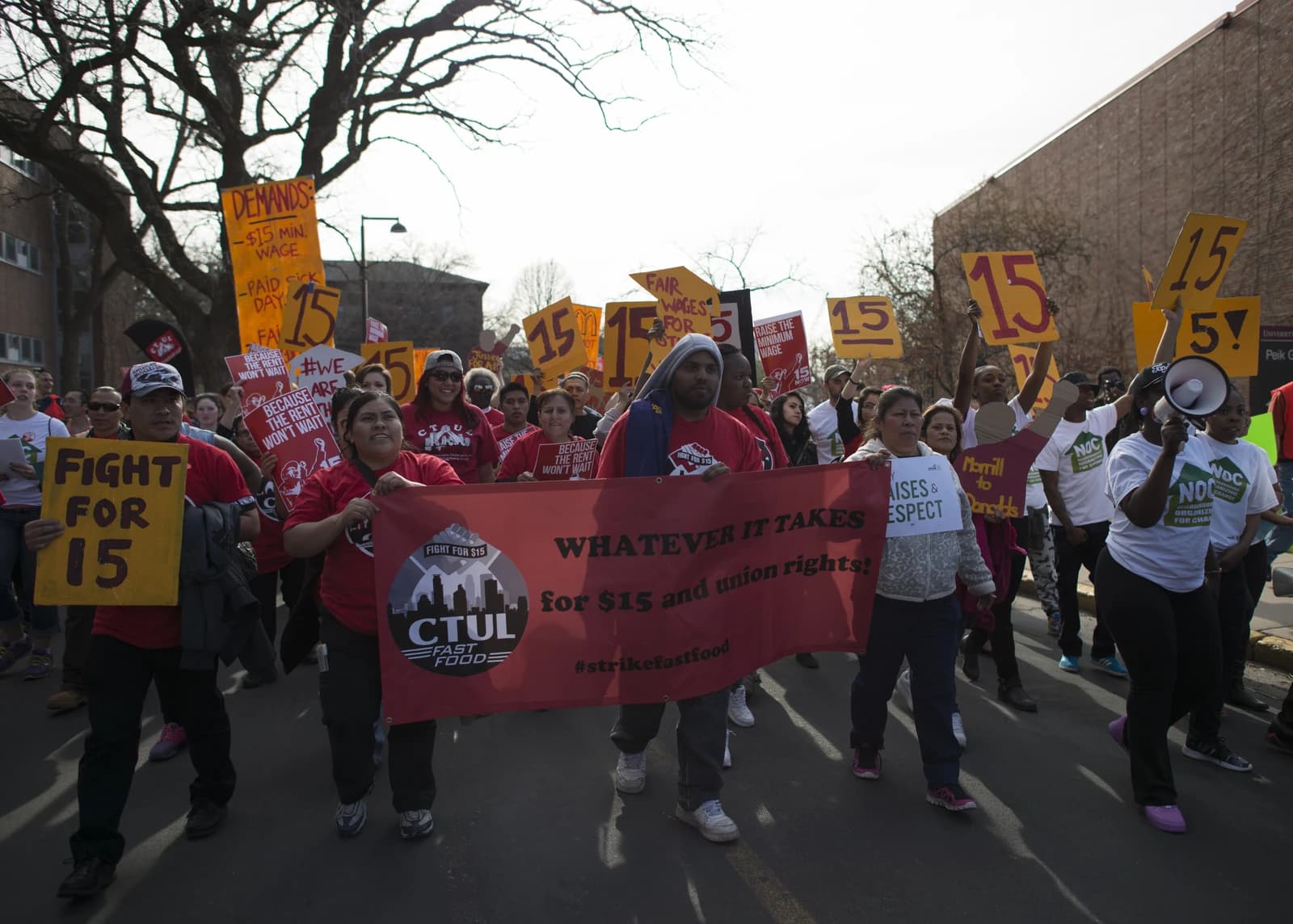
That matters because the proposal goes straight to the heart of a familiar policy trade-off: how to lift net wages for lower-paid workers without adding too much cost to businesses or blowing a hole in the budget. Under the version being discussed inside PSD, employees earning up to 6,000 gross lei a month would see lower income tax, while those on the minimum wage of 4,325 lei could be fully exempted. At that level, a worker could keep about 182 lei more a month, while someone earning 4,575 lei could gain as much as 189 lei, according to the figures cited by local media.
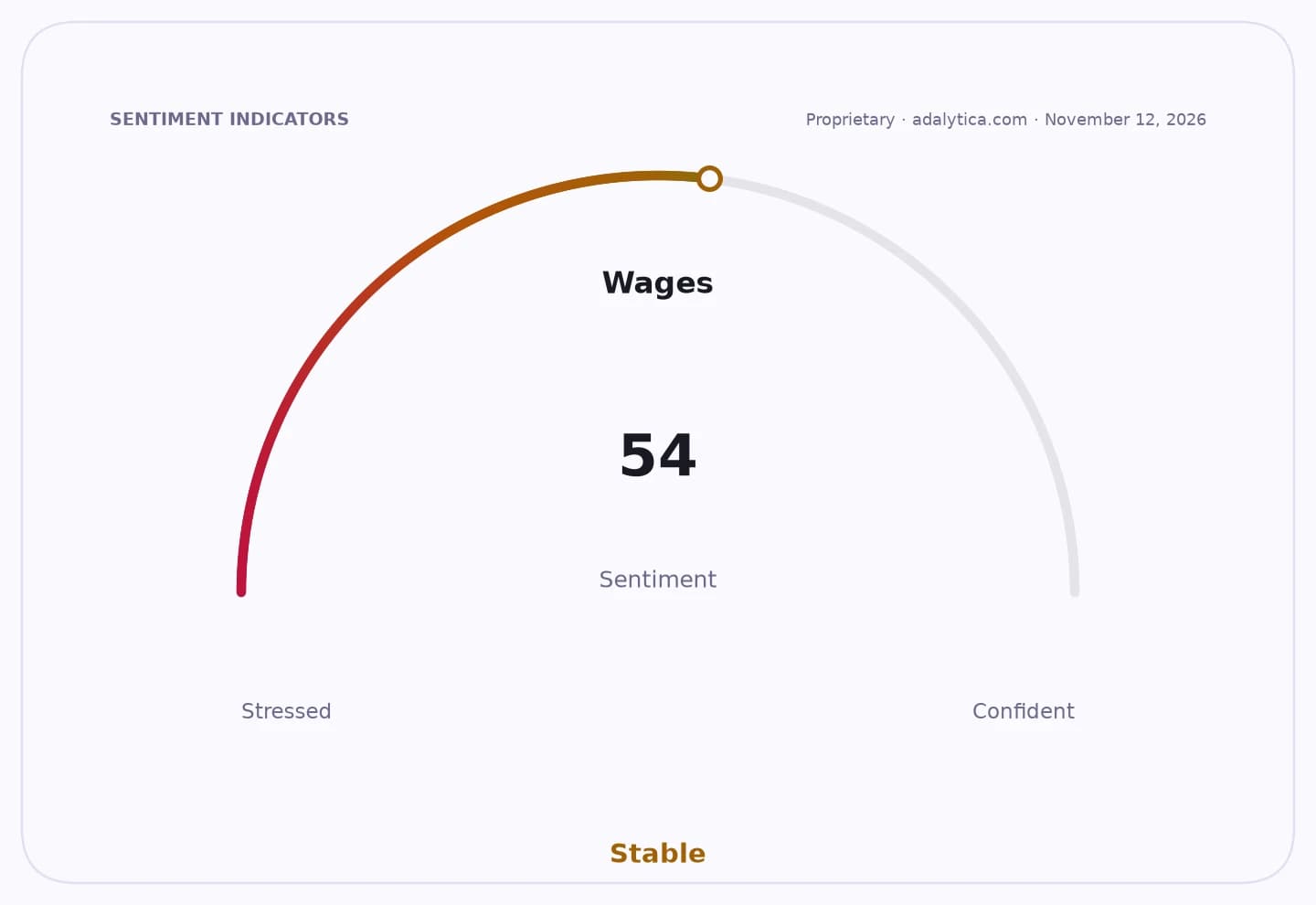
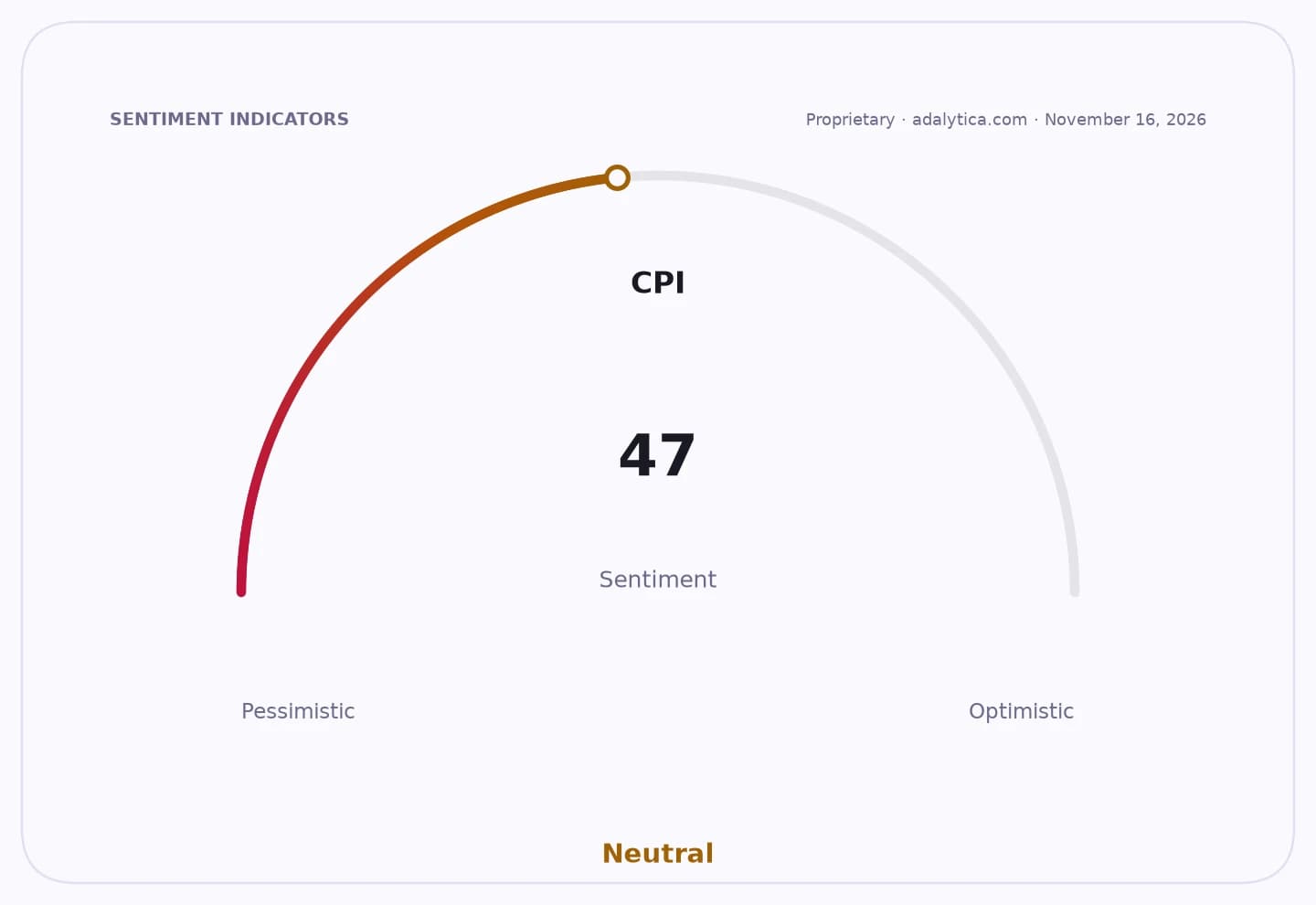
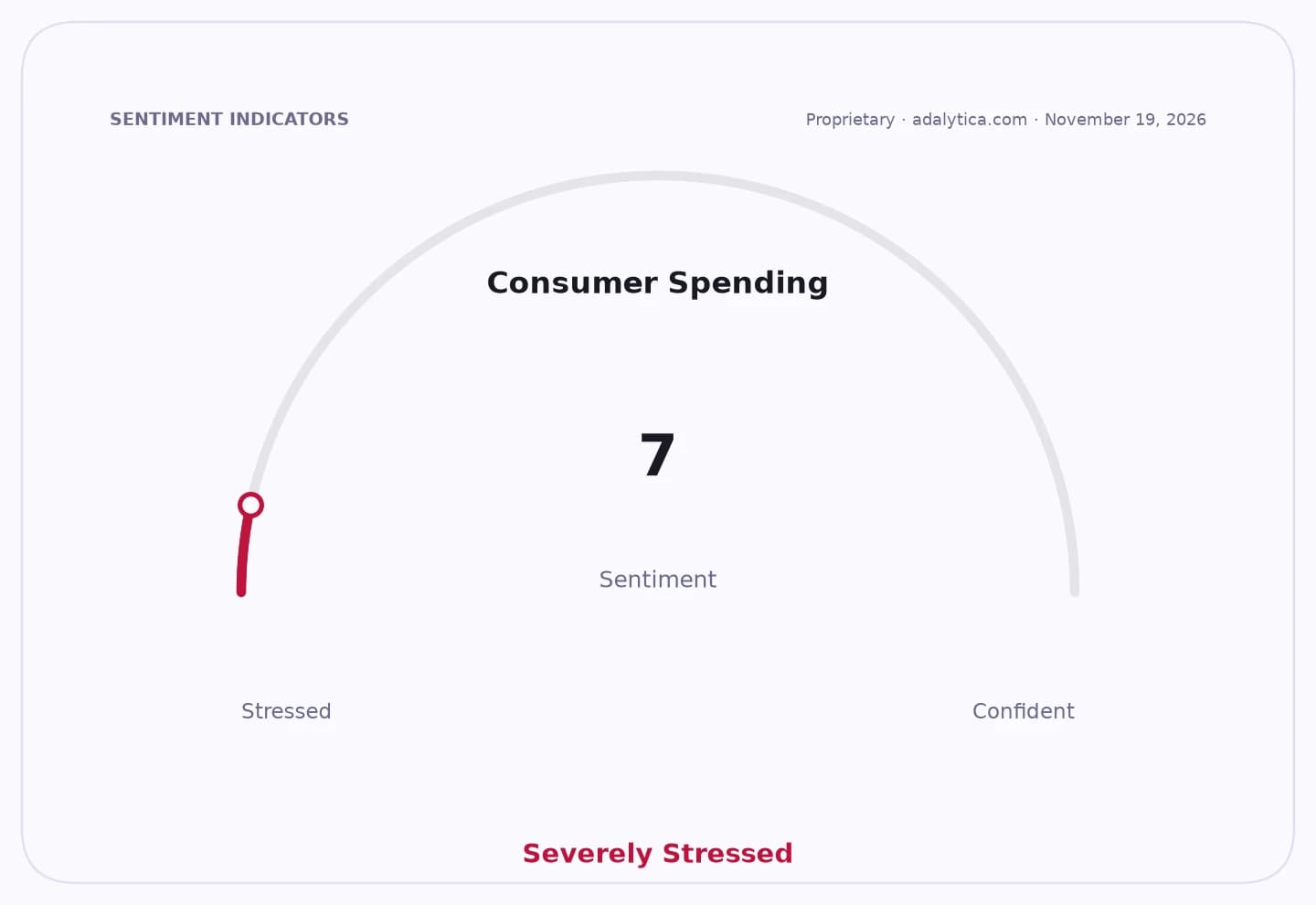
Sentiment Indicators
Wages
For investors, the significance is less about the headline tax break than about what it says on the direction of Romanian policy. If adopted, the measure would support household disposable income and could help consumption, especially at the lower end of the income distribution, where spending tends to be immediate rather than saved. That is the kind of fiscal tweak that can matter for retailers, food sellers and other domestic-demand plays, while also giving employers some relief because the proposal does not require a matching increase in gross pay.
But it also highlights the constraint that will shape the debate in the months ahead: budget discipline. PSD chairman Sorin Grindeanu said the party is studying ways to reduce labor taxation, but added that any change must fit within the deficit target and would be discussed in negotiations over the 2027 budget. That means the idea is still political, not policy, and any rollout would likely depend on offsetting measures or a broader compromise with coalition partners and fiscal authorities.
The broader backdrop is a labor market and inflation story investors cannot ignore. Romania’s economy has been trying to balance wage growth, fiscal prudence and competitiveness, while households remain sensitive to higher living costs. A targeted cut to income tax on low wages may be politically attractive because it promises relief without a direct jump in employer costs, but it also reduces state revenue unless something else fills the gap.
For long-term investors, the key question is not whether this is a market-moving trade, but whether it signals a more growth-friendly fiscal stance that could support consumption while preserving employment. If PSD can pair lower labor taxes with credible budget arithmetic, the result could be constructive for domestic demand. If not, the proposal risks staying a promise that never leaves the negotiating table.
| Entity | Gains | Losses |
|---|---|---|
| Low-wage workers | ▲Higher net pay | ▼None directly |
| Employers | ▲No gross-wage hike required | ▼Limited relief if payroll costs stay high |
| Romanian consumers | ▲More disposable income | ▼Potentially higher fiscal uncertainty |
| State budget | ▲Possible growth support | ▼Lower tax revenue |