Retailers from Walmart to Ulta and Home Depot are facing a reminder that organized shoplifting remains a direct cost and margin problem, after Georgia authorities said 11 people were indicted over a multi-state theft ring that stole more than $200,000 in merchandise from 10 chains.
Retail theft ring hits Walmart, Ulta and Home Depot
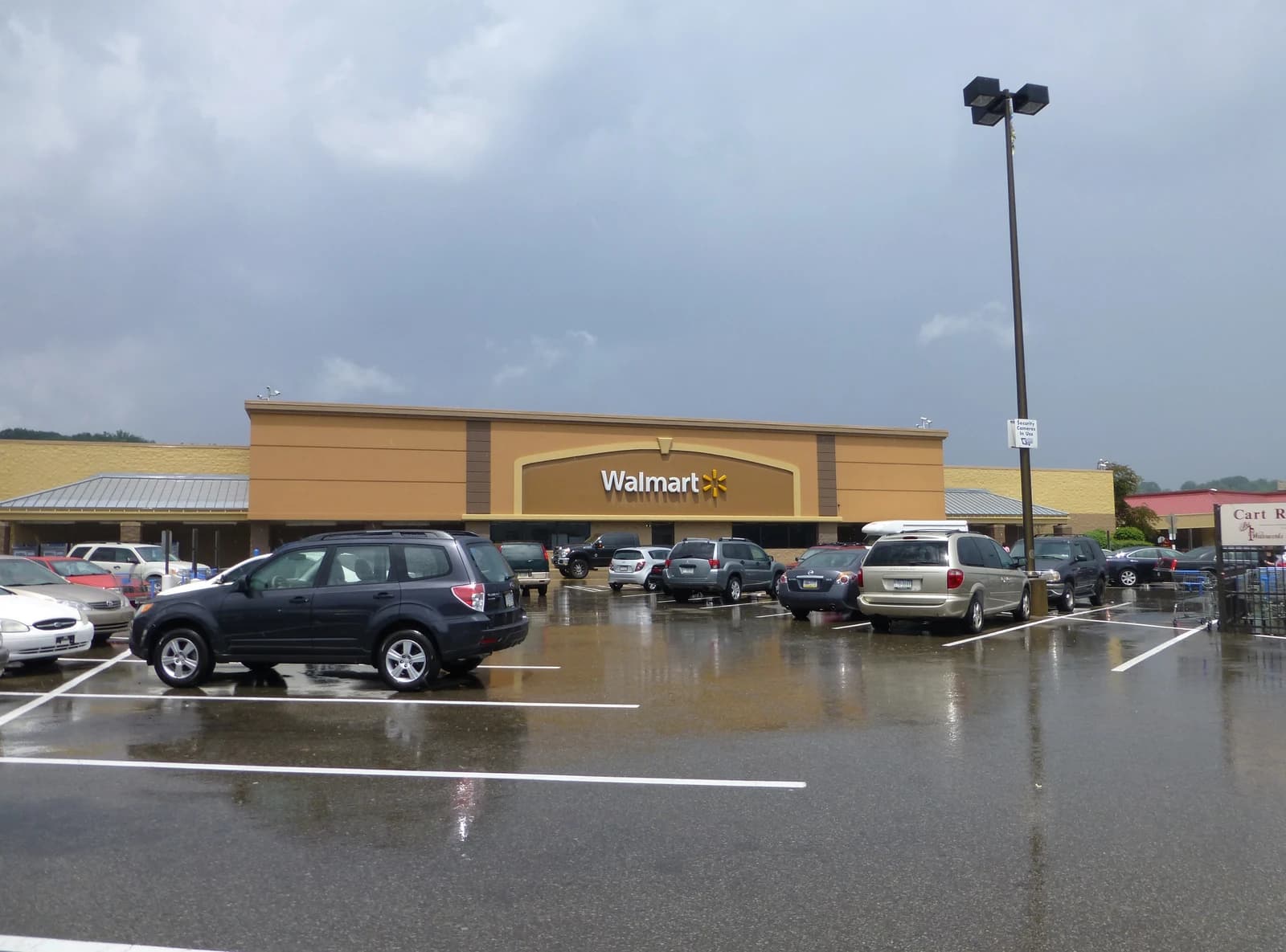
The case matters because it goes beyond opportunistic theft. Prosecutors allege a coordinated operation that hit stores in Georgia, Florida, South Carolina and Virginia over nearly four years, taking luxury goods, electronics, power tools and jewelry that were later sold through Meta platforms such as Instagram. For big-box and specialty chains, that kind of resale network turns inventory shrinkage into a broader operational and policing issue, with losses that can bleed into insurance, staffing, security and pricing decisions.
Sentiment IndicatorsⓘProprietary · adalytica.com · September 23, 2026
This is a snapshot — live sentiment, awareness and momentum for 130+ markets update continuously in the dashboard.Open AlphaPulse
Walmart, Home Depot and Ulta are especially exposed because theft hits different parts of their model. Walmart and Home Depot run high-volume, low-margin businesses where shrink can erode already tight profitability. Ulta faces a separate risk: premium beauty and fragrance products are small, easy to resell and highly visible in-store, making them attractive targets for organized groups. Kay Jewelers, Zales and Sunglass Hut are vulnerable for the same reason — compact luxury items command high resale value and can be moved quickly.
The indictment also underscores how organized retail crime has evolved with social media commerce. Prosecutors said the stolen merchandise was sold on Instagram, a distribution channel that can give stolen goods speed, anonymity and a ready customer base. That raises the enforcement burden for retailers and platforms alike, and it helps explain why some chains have pushed for more locked cases, more security staff and tighter store formats, even as those steps can hurt the shopping experience.
For investors, the immediate financial hit from this case is limited — confirmed losses are above $200,000, though officials said the full impact across four states is still being assessed. But the larger concern is the cumulative effect of repeated theft rings on gross margin and store operating costs. Walmart has explicitly flagged inventory shrinkage as a risk in its filings, and peers across retail continue to face the same pressure at a time when consumers remain price-sensitive and chains are trying to defend traffic without giving up margin.
The stock reaction should be modestly different by business mix. Essential retailers such as Walmart can usually absorb and spread the cost better than specialty chains. Jewelry and beauty retailers, by contrast, have a thinner margin of defense against theft because the value-to-size ratio of merchandise is so high. That means the same crime trend can be more material to earnings for Ulta’s high-end beauty mix and the jewelers’ branded accessory businesses than for a mass merchant.
The broader takeaway is that retail theft is no longer just a law-and-order story. It is a recurring operating expense, a supply-chain leak and a technology problem tied to online resale channels. If prosecutions and state penalties continue to rise, as they have in response to theft concerns, retailers may eventually see some deterrence. But for now, the case suggests the industry is still paying for a crime wave that is organized, multi-state and increasingly commercialized.
| Entity | Gains | Losses |
|---|---|---|
| Retailers with stronger loss controls | ▲Lower shrink burden | ▼Less exposure to organized theft |
| Walmart and Home Depot | ▲Scale to absorb losses | ▼Margin pressure from inventory shrinkage |
| Ulta, Kay, Zales, Sunglass Hut | ▲Tighter security investment | ▼High-value items targeted for resale |
| Crime ring and resale channels | ▲Short-term illicit gains | ▼Indictments, seizure risk, tougher enforcement |