AI investors are about to face a second technology wave that could be even harder to price: quantum computing, a field that is moving from theory toward usable hardware and could arrive sooner than many expected.
Quantum computing and AI investors face new hardware wave
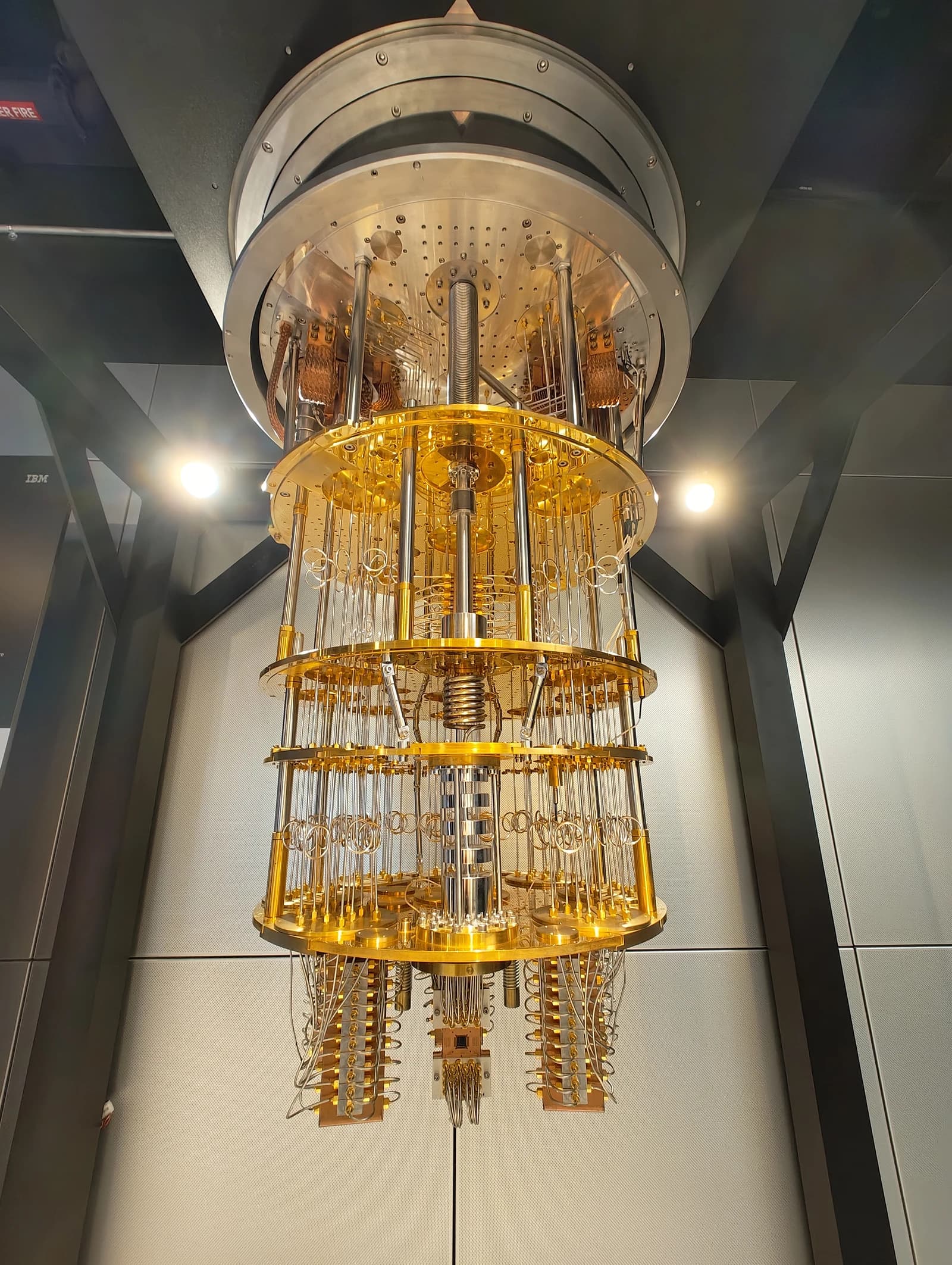
That matters because quantum computing is not simply another speculative theme layered on top of artificial intelligence. It is a hardware breakthrough that could extend AI’s capabilities, reshape cybersecurity and force capital to rotate again through the semiconductor, software and enterprise infrastructure stack. The key investment question is less whether quantum computing will matter than which companies can turn the science into commercial systems before the hype cycle outruns the economics.
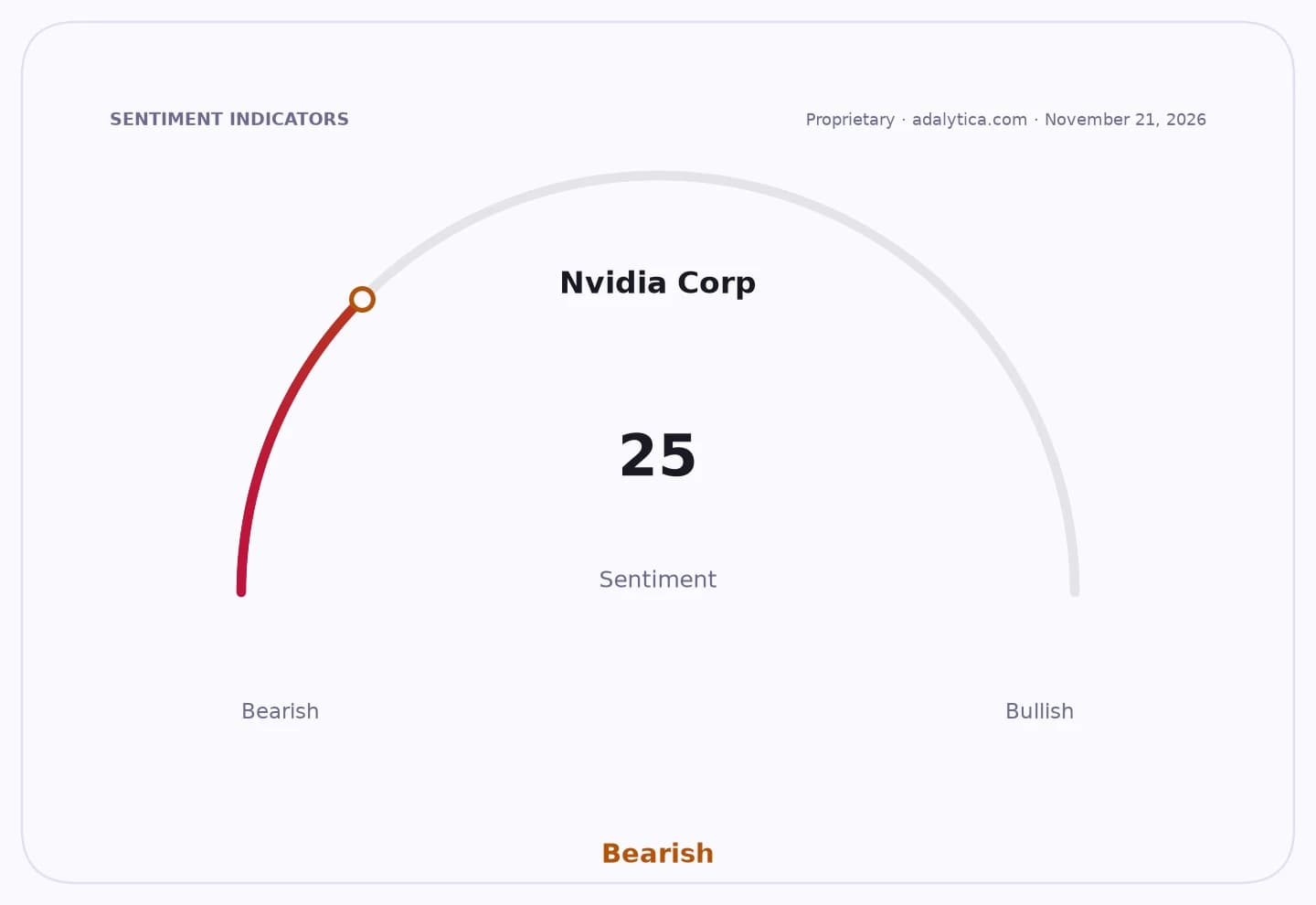
Sentiment Indicators
The latest signal comes as the market is still struggling to digest AI’s own valuation reset. Anthropic, one of the biggest AI names in the private-market imagination, fell 12% in the latest session, giving back a large part of its post-listing gains. That sort of volatility underscores how quickly investors are moving from enthusiasm to skepticism when the commercial payoff is unclear. Quantum computing could trigger a similar debate, only with an even longer runway and a narrower set of winners.
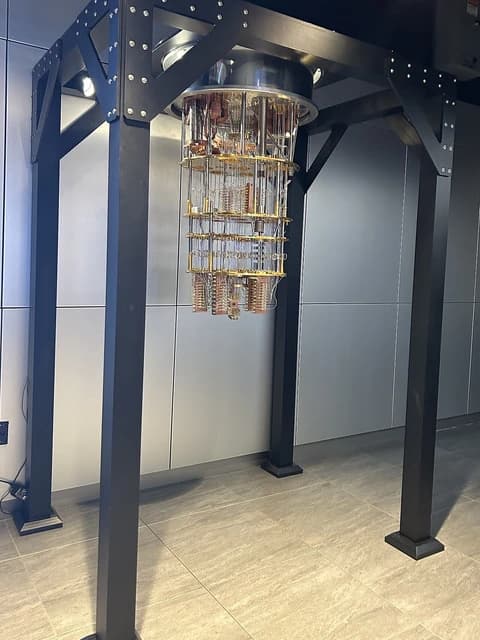
The New York Times report cited in the market commentary highlights a critical shift: competing quantum architectures are starting to solve error-correction, the central obstacle to building a usable machine. That is important because error correction has long been the difference between laboratory experiments and systems that can perform work reliably enough for commercial or scientific use. If that barrier is cracking, the timeline compresses. Usable quantum computers could be feasible by the end of the decade, or soon after, rather than in some distant future.
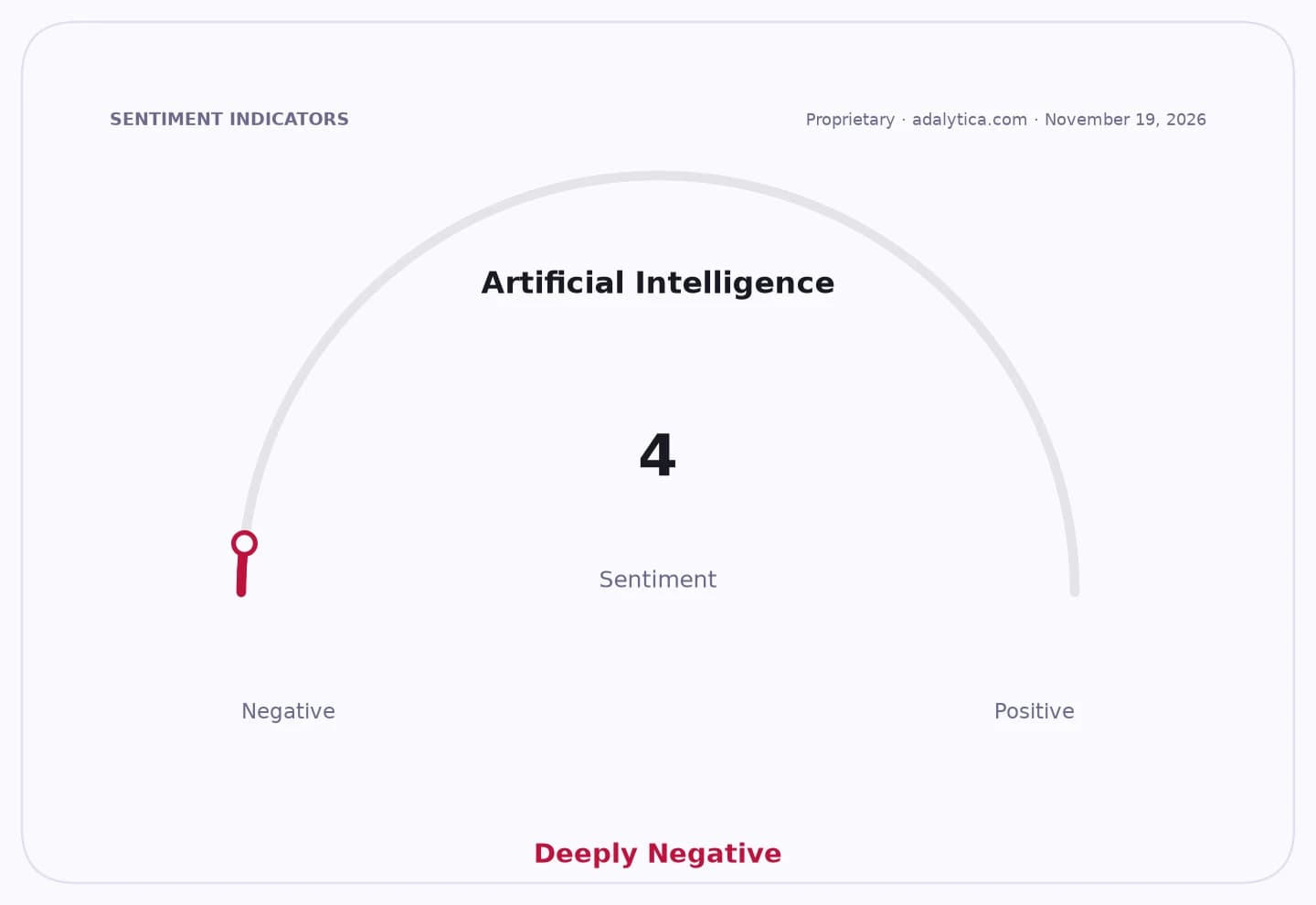
Artificial Intelligence
For investors, the implication is that the “picks and shovels” around quantum may move before the technology itself becomes mainstream. IBM has already told regulators it plans to invest more than $10 billion in quantum over five years, spanning research, capital spending, manufacturing scaling, deals and ecosystem expansion. Google, meanwhile, is involved in multiple competing approaches, suggesting the race is still open but increasingly capital-intensive. That raises the odds that the next leg of value creation will accrue to companies with balance-sheet strength, deep engineering talent and the ability to integrate quantum with AI workloads.
The market is already showing how punishing the distinction can be between story and execution. Shares of Quantum Computing Inc., or QUBT, have slumped to $4.40 from $12.31 in late May, even as broader enthusiasm for advanced computing themes has remained high. By the latest reading, QUBT’s 50-day moving average sat above the stock price, while the relative strength index had sunk to deeply oversold levels and the MACD remained negative, technical signs that momentum has clearly deteriorated. That does not make the story wrong, but it does show how quickly sentiment can unwind when a theme stops rewarding speculators.
There is also a broader strategic angle. The same advances that could eventually empower AI could also undermine today’s encryption standards, putting pressure on banks, cloud providers and digital-asset security to prepare for post-quantum cryptography. That creates a second-order investment theme: cybersecurity upgrade cycles may arrive before quantum revenues do. For crypto, especially smaller tokens pitched on quantum resistance, the risk is that the market may overestimate the speed of disruption while underestimating the time needed for standards, adoption and infrastructure changes.
| Entity | Gains | Losses |
|---|---|---|
| IBM | ▲Long-duration quantum investment thesis | ▼Cash near-term margins |
| Google/Alphabet | ▲Early lead in competing architectures | ▼R&D spending uncertainty |
| QUBT | ▲Theme-driven attention | ▼Momentum and valuation support |
| Banks/Cybersecurity firms | ▲Post-quantum upgrade demand | ▼Legacy encryption exposure |