A 7.3-magnitude earthquake in southern Qinghai has put China’s disaster response and infrastructure resilience back in focus, with the real market risk centered not on the initial tremor itself but on any follow-on damage to transport links, power systems and industrial supply chains.
Qinghai earthquake raises China infrastructure risk
The USGS said the quake struck at a depth of 10 kilometers, a relatively shallow event that can intensify shaking at the surface and increase the chance of localized damage. For investors, that matters because even when casualty reports are limited, earthquakes in western China can still disrupt roads, rail, energy networks and construction activity across a region that feeds into broader domestic logistics and raw-material flows.
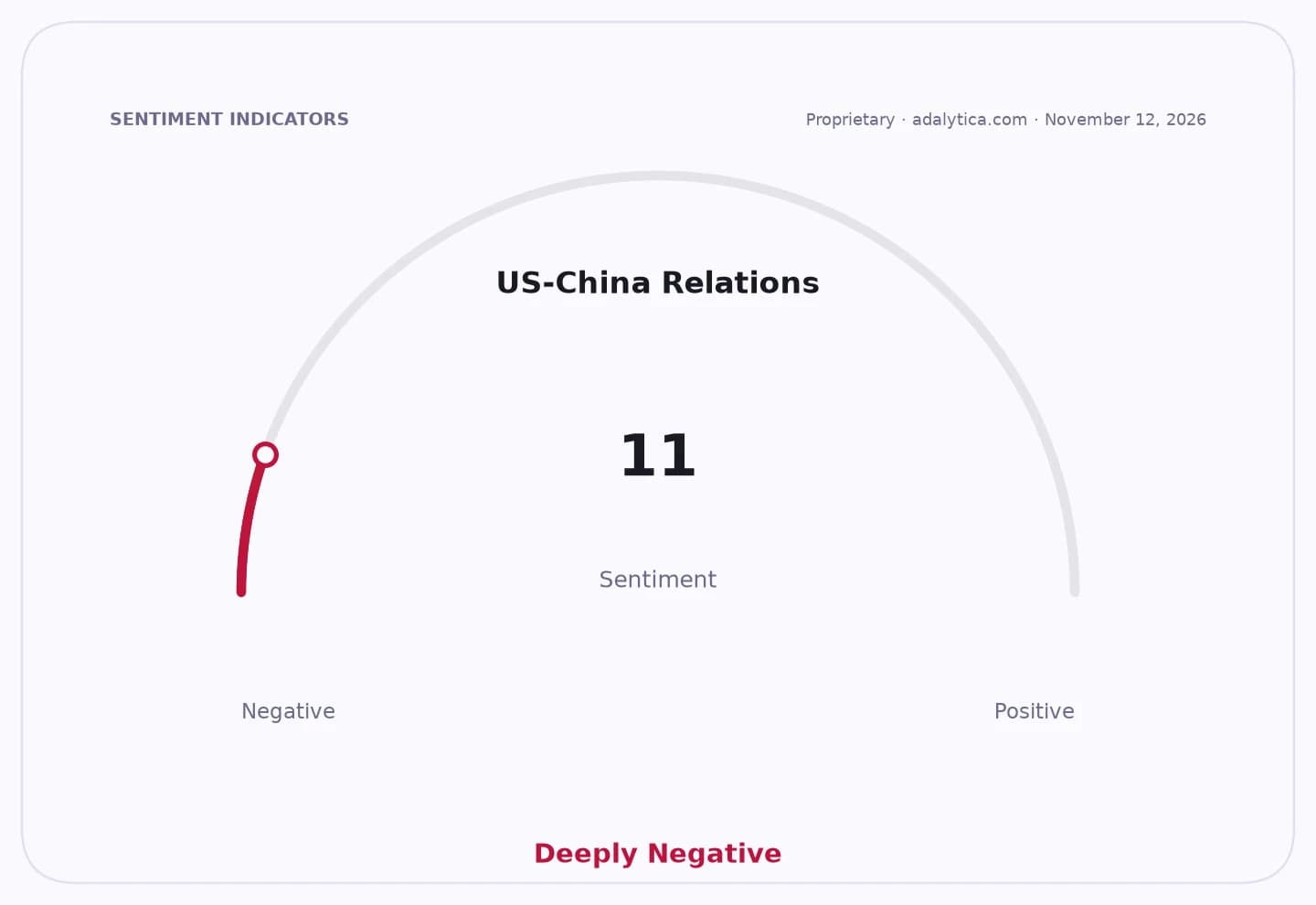
Sentiment Indicators
China is one of the world’s largest buyers of industrial metals, energy and machinery, so any material damage to infrastructure can ripple through commodity demand and project timelines. That is why the first trade is usually in risk sentiment rather than hard numbers: Chinese equities, especially broad-market funds such as FXI and MCHI, often absorb headlines like this before the market knows whether the quake is merely a headline risk or a genuine economic interruption. Recent weakness in both ETFs shows investors are already cautious on China, and a major natural disaster adds another overhang to a market that is struggling to rebuild conviction.
The broader investment angle is more durable. Earthquakes in China tend to reinforce a long-running thesis that capital will keep flowing into resilient infrastructure, engineering, emergency communications, power-grid hardening and insurance-linked solutions. That is where the asymmetric opportunity sits. The market tends to focus on the immediate shock, but over time these events increase the premium on firms that can protect networks, rebuild assets and provide continuity when the physical economy is hit.
If damage proves limited, the headline will fade quickly. But if inspections reveal outages, transport disruption or rebuilding needs, the beneficiaries are likely to be the picks-and-shovels names tied to reconstruction and grid resilience, while China-facing risk assets and cyclical suppliers remain vulnerable to a fresh round of de-risking. For investors, the actionable takeaway is to watch for any confirmation of infrastructure damage before assuming this is just a one-day event; in China, the second-order costs of a quake can matter more than the initial shake.
| Entity | Gains | Losses |
|---|---|---|
| Infrastructure contractors | ▲Rebuilding demand | ▼ |
| Insurers / reinsurers | ▲Higher premiums if losses emerge | ▼ |
| China equities (FXI, MCHI) | ▲Brief risk rebound if damage is minor | ▼Near-term sentiment hit |
| Transport and industrial supply chains | ▲ | ▼Disruption and repair costs |