Portugal’s housing shortage is no longer just a social problem — it is a macroeconomic constraint that is pressuring household budgets, distorting labor mobility and forcing investors to rethink where the next gains in Iberia will come from.
Portugal housing shortage raises rents and costs
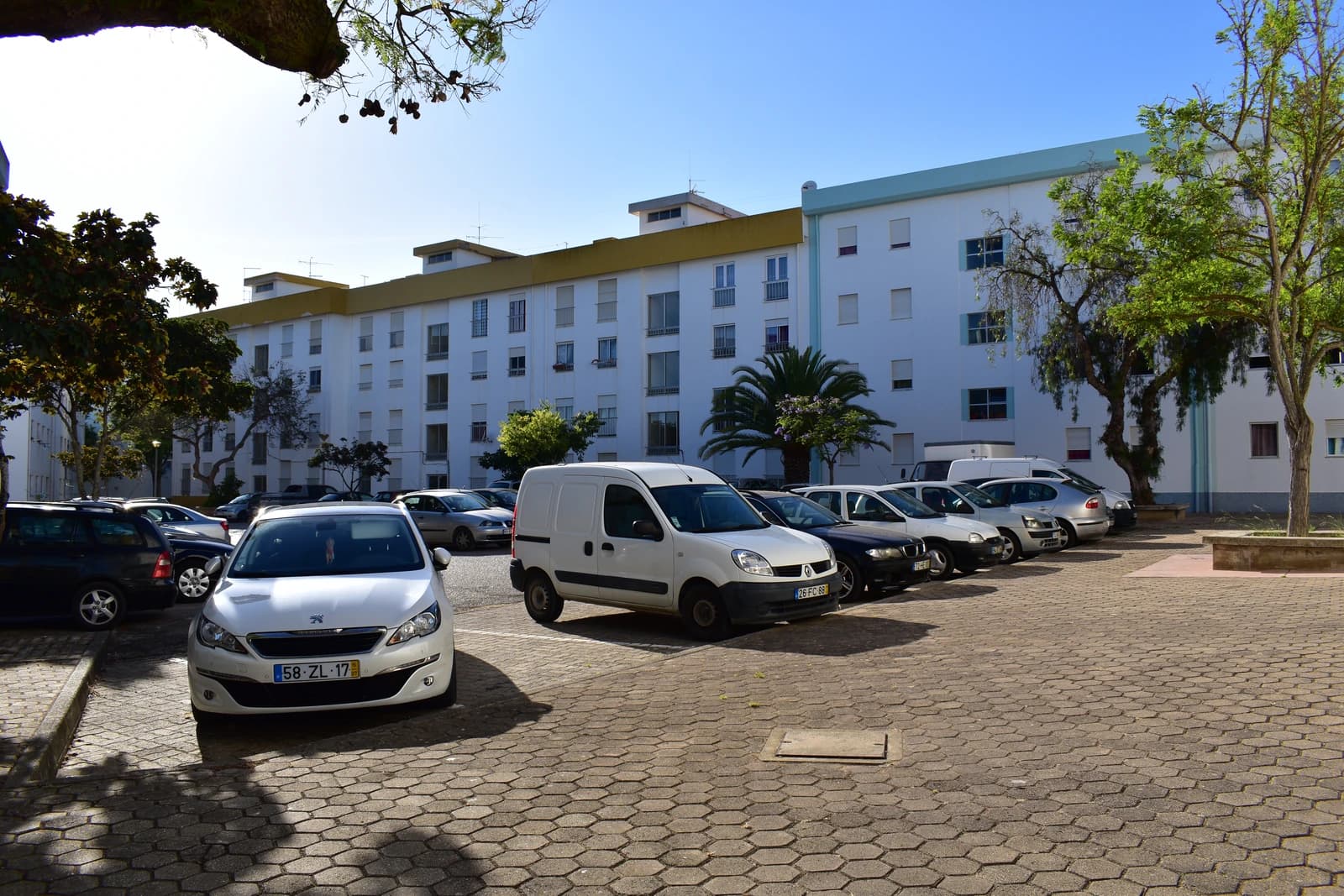
The key development is simple: demand for homes, especially in Lisbon and other major cities, is still outrunning supply fast enough to keep rents rising even as the political debate shifts toward affordability. One-bedroom apartments are now about 123% more expensive than rooms in shared accommodation, a stark sign that the market is splitting into two economies: those who can pay for privacy and those who are being pushed into more crowded, lower-quality living arrangements.
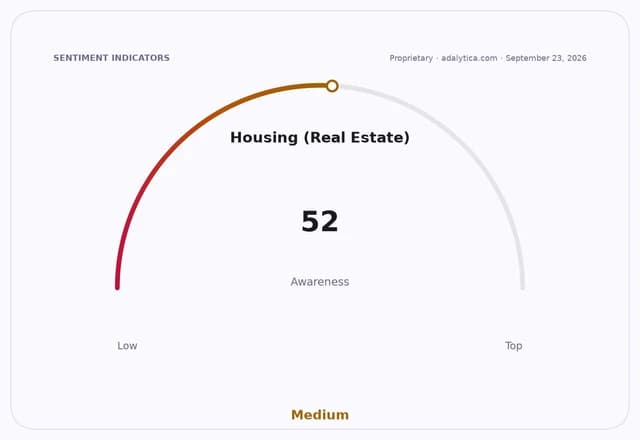
That matters because housing is not just a cost-of-living issue in Portugal; it is a productivity issue. When workers cannot find affordable places to live near jobs, wages must do more of the heavy lifting, labor supply becomes less flexible and companies face higher operating costs. The IMF has already warned about structural productivity weaknesses and housing vulnerabilities in the country, and the latest rental data suggest those warnings are becoming more economically relevant, not less.
For investors, the message is that the housing crisis is creating winners even as it deepens the policy challenge. Developers, landlords, infrastructure owners and companies tied to urban expansion stand to benefit from years of underbuilding and the need for faster permitting, more transport links and higher residential density. The market is also likely to keep rewarding assets that can provide exposure to scarcity — whether that is prime residential stock, rental platforms or the broader European names that profit when governments are forced into housing-led capex.
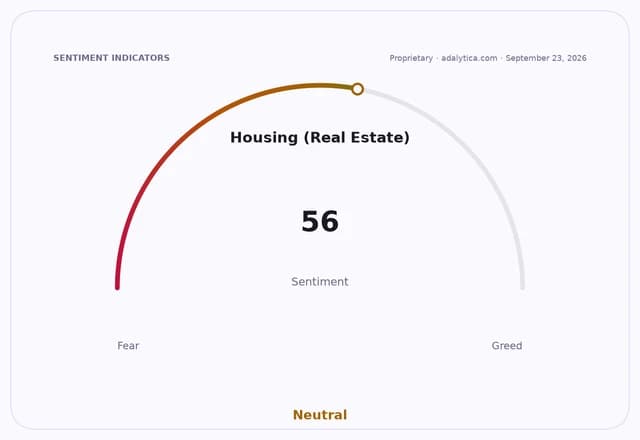
The risk, of course, is that politics lags the market. Building faster is necessary, but not sufficient if the permitting system, labor constraints and financing costs keep new supply from reaching the places where demand is strongest. That is why this story is bigger than real estate: it is about whether Portugal can protect growth, retain workers and convert tourism-led demand into a healthier long-term urban economy.
The investable takeaway is clear: the housing shortage is now a structural theme, not a cyclical one, and the next phase of returns in Portugal will likely favor the companies and assets that help relieve scarcity rather than simply bet on it.
| Entity | Gains | Losses |
|---|---|---|
| Existing landlords | ▲Higher rents | ▼Political backlash |
| Housing developers | ▲Policy urgency | ▼Permitting delays |
| Urban workers | ▲More supply over time | ▼Affordability squeeze |
| Portuguese economy | ▲Long-term investment cycle | ▼Productivity and mobility |