Portugal’s house prices climbed 7.5% in October to a new all-time high, extending a relentless affordability squeeze that is reshaping the country’s property market and keeping pressure on buyers, landlords and policymakers alike.
Portugal House Prices Rise 7.5% to Record High
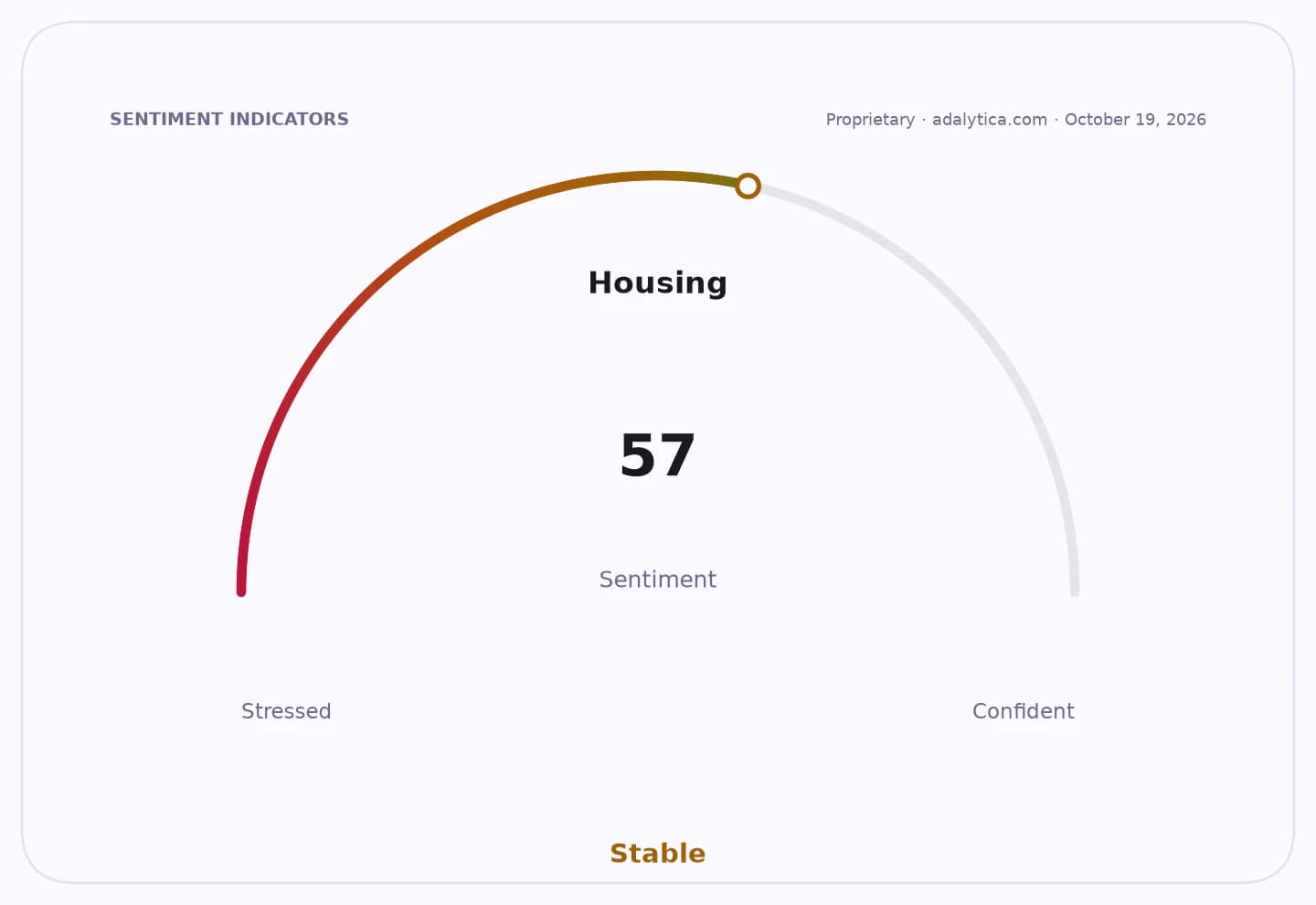
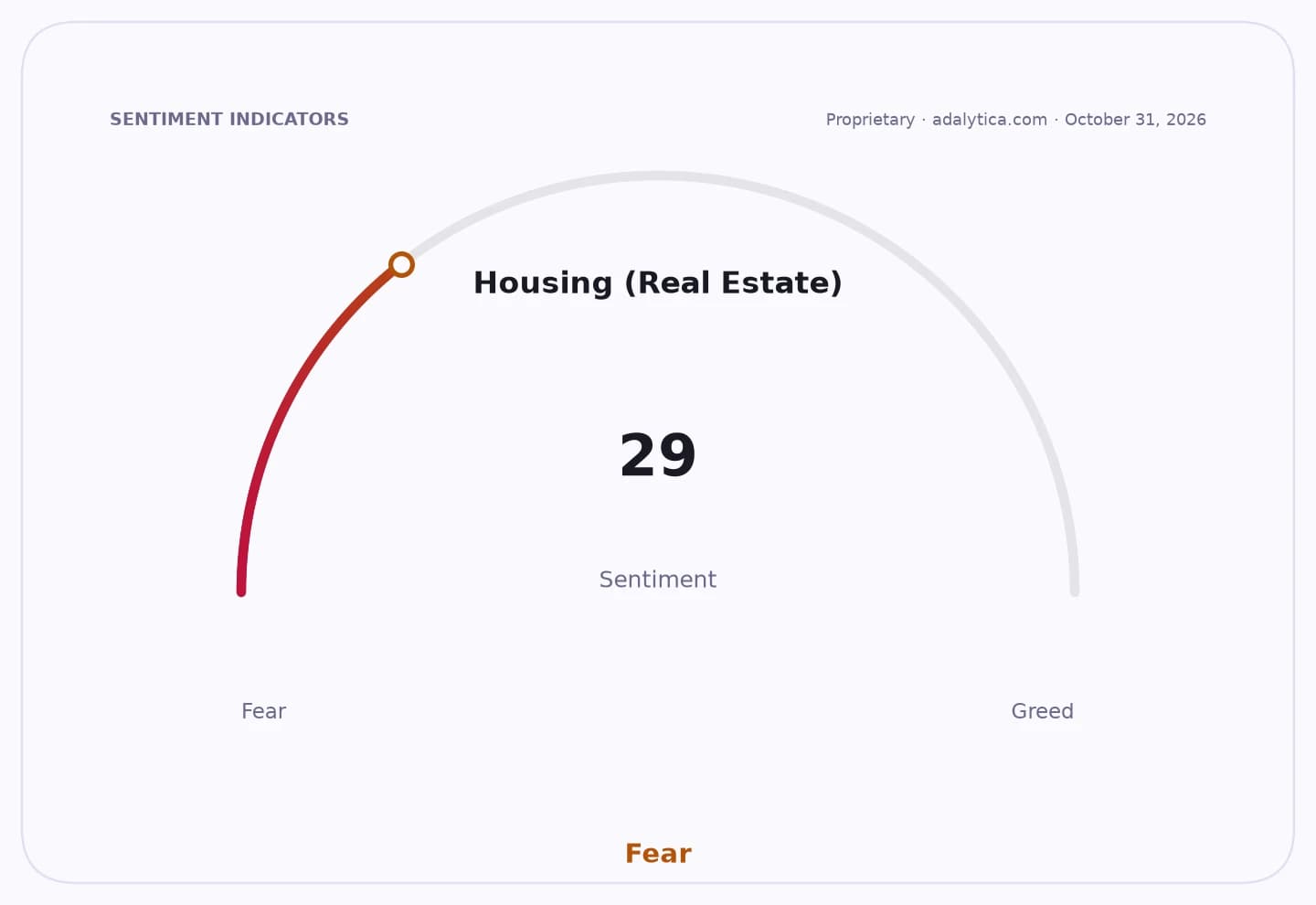
Housing
The idealista index showed the median asking price for homes reached 3,249 euros per square meter at the end of October, up 1.2% from the prior quarter, with prices rising in all 20 district capitals and autonomous regions tracked by the platform. Annual gains were especially sharp in smaller and mid-sized cities, led by Vila Real at 20.3%, Guarda at 18.4%, Beja at 17.6%, Leiria at 16.9% and Faro at 15.5%.
Sentiment Indicators
The breadth of the increase suggests Portugal’s housing inflation is no longer limited to Lisbon and Porto. Even as the capital remains the country’s most expensive market at 6,248 euros per square meter, the Porto area, the Algarve and island markets are also posting elevated levels, showing how demand is spreading beyond the largest urban centers.
That matters for the economy because housing costs feed directly into household budgets, disposable income and inflation expectations. Persistent price gains can keep first-time buyers out of the market, force more families into renting and intensify political pressure for measures that boost supply or curb speculation.
For investors, the data reinforce the case for firms exposed to Portuguese housing demand while also highlighting the risk that affordability will eventually cap transaction volumes. Residential developers, landlords and property platforms can benefit from higher price levels, but borrowers, prospective buyers and sectors tied to household spending face mounting strain.
Regional data underline the imbalance. The Alentejo posted the steepest annual rise at 14.3%, followed by the Azores at 13.9% and the Center region at 12.5%, while Lisbon still commands the highest median prices among regions at 4,525 euros per square meter. The Center remains the cheapest at 1,810 euros, but the gap has not stopped price momentum from spreading nationwide.
The latest reading points to a market still driven by scarce supply and resilient demand, with little sign that affordability constraints have yet forced a broader reset. The next test will be whether higher borrowing costs, weaker buyer power or policy intervention can slow gains heading into year-end.
| Entity | Gains | Losses |
|---|---|---|
| Homeowners/Sellers | ▲Higher valuations | ▼Fewer affordable buyers |
| Prospective Buyers | ▲None | ▼Higher entry costs |
| Landlords/Property Platforms | ▲Stronger pricing power | ▼Affordability backlash |
| Policymakers | ▲Pressure to act on supply | ▼Risk of public dissatisfaction |