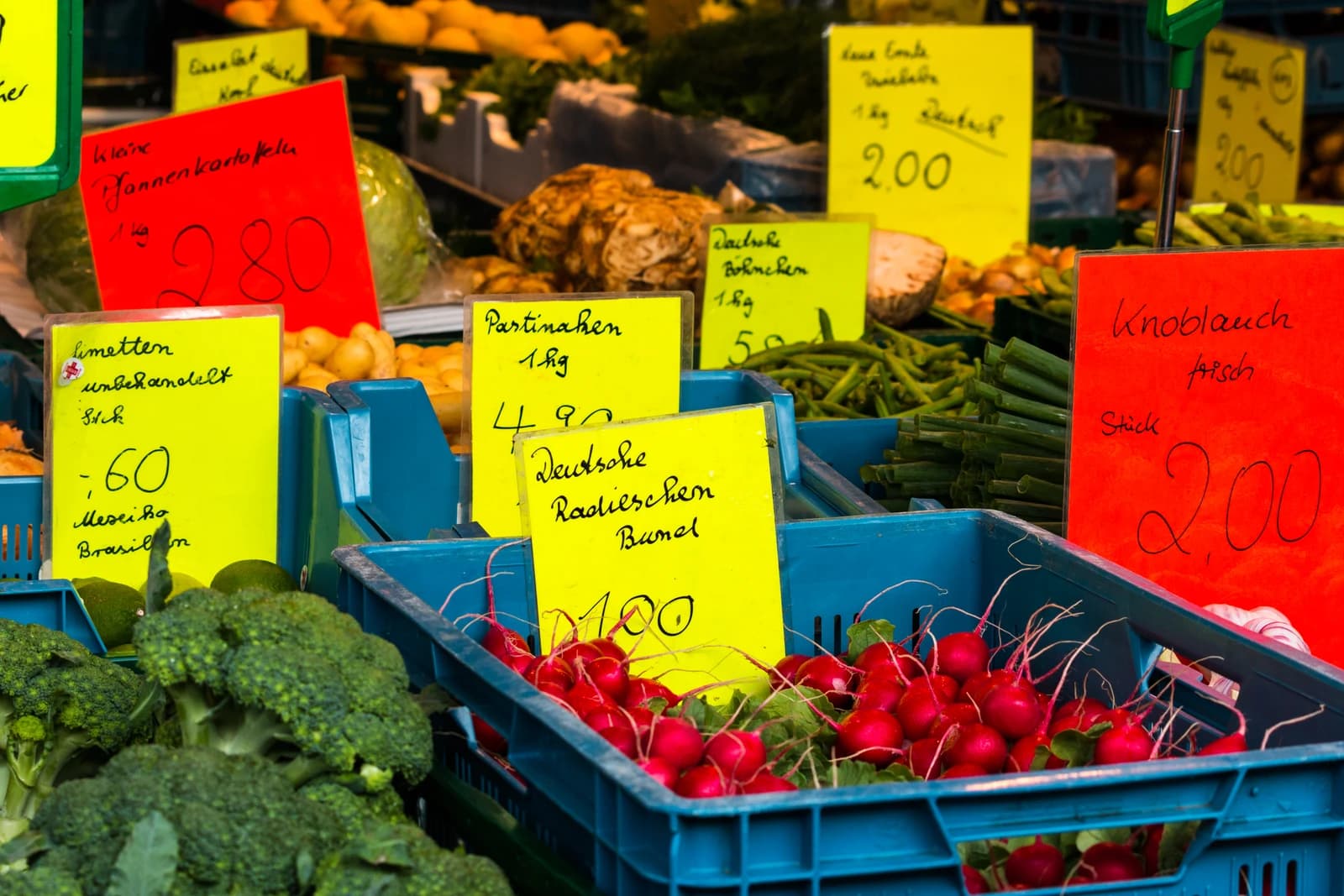
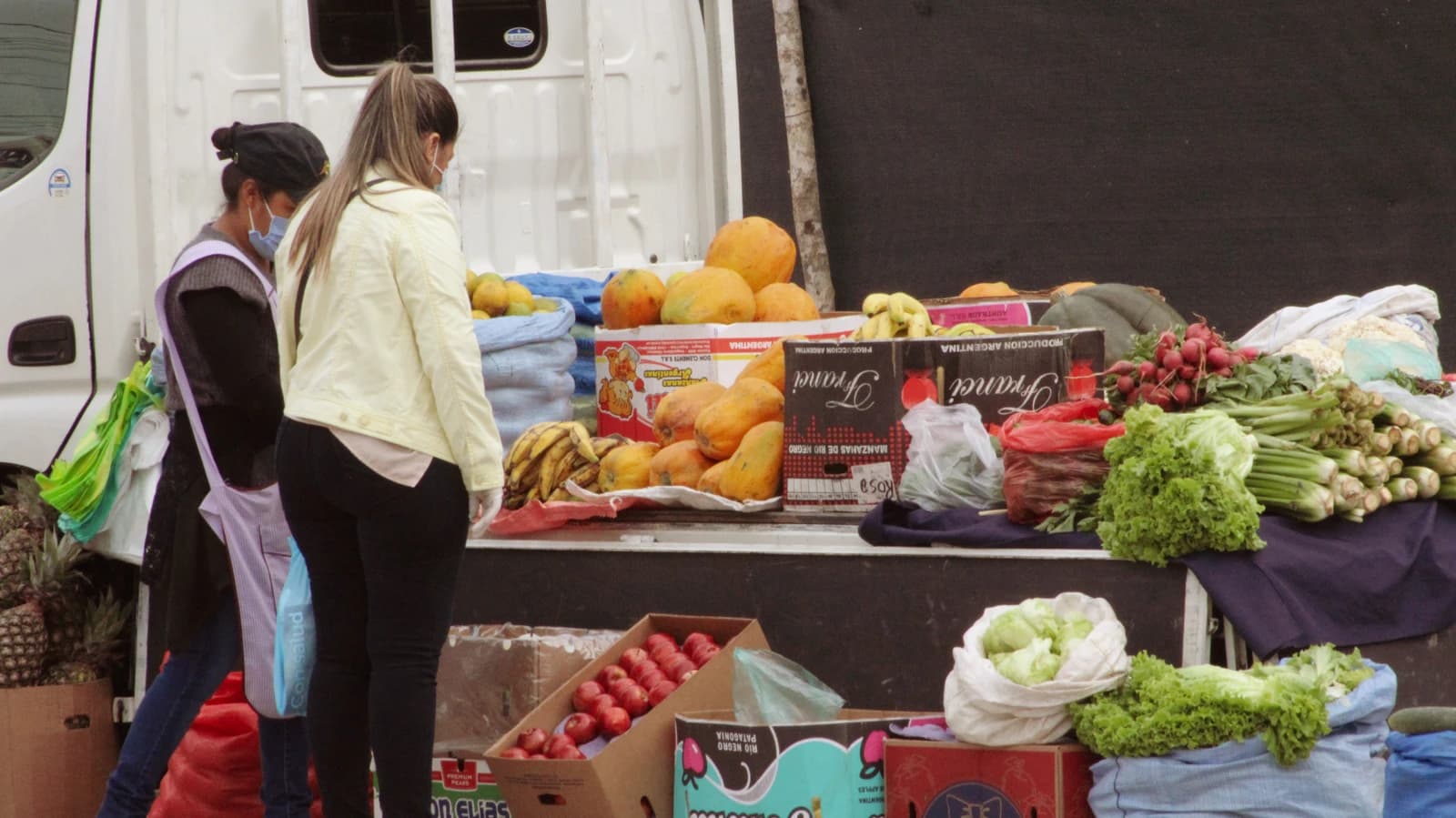
Fresh food in Portugal has become 42.4% more expensive since 2015, almost twice the pace of overall inflation, deepening pressure on household budgets and keeping food at the center of the country’s cost-of-living squeeze.
Portugal food prices rise 42.4% since 2015
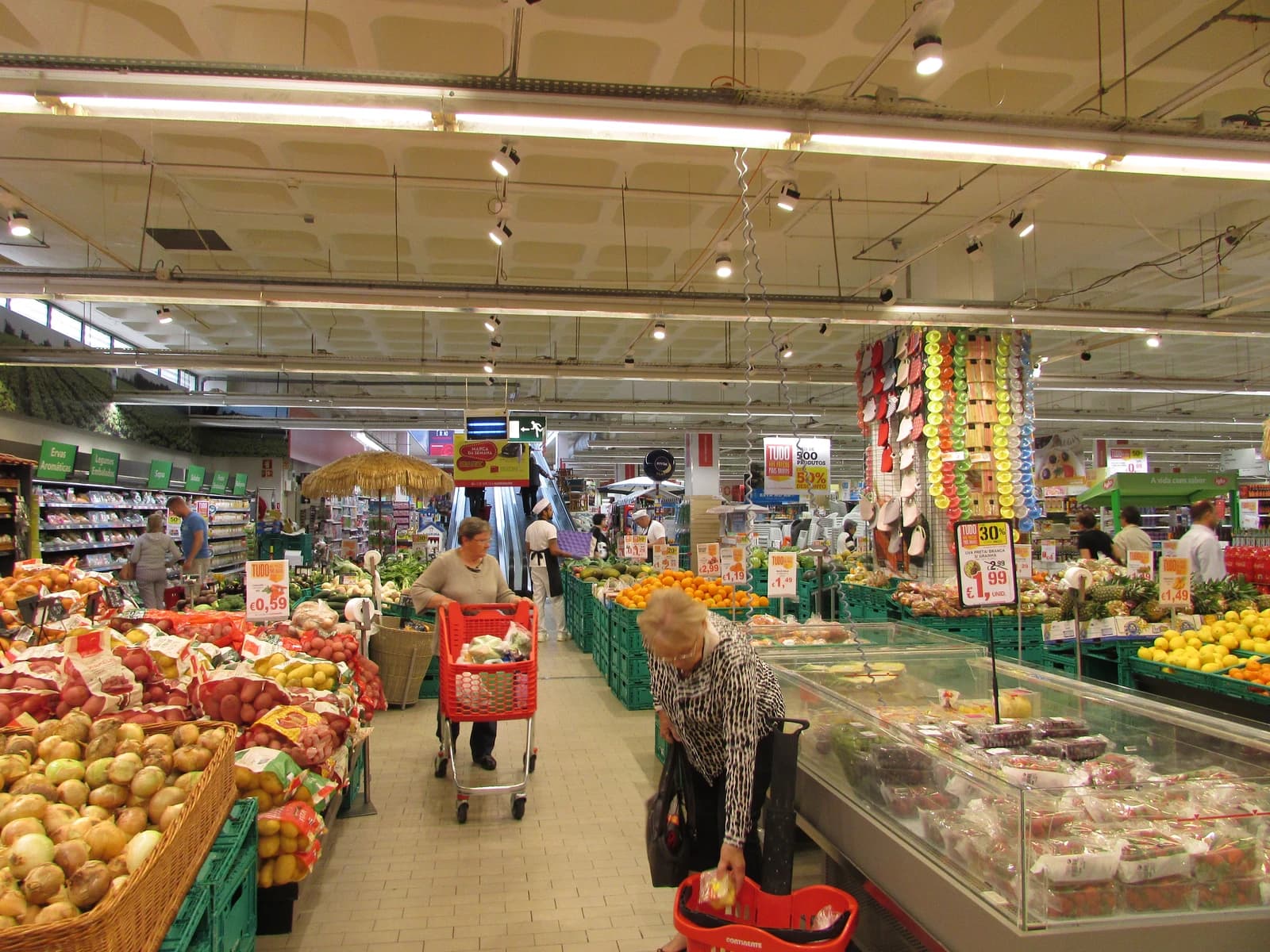
The increase matters because food carries a heavy weight in consumer baskets and leaves less room for families to adjust spending elsewhere. For lower-income households, the pain is sharper: they rely more on basic items and private-label alternatives, giving them fewer ways to absorb higher prices when groceries get more expensive.
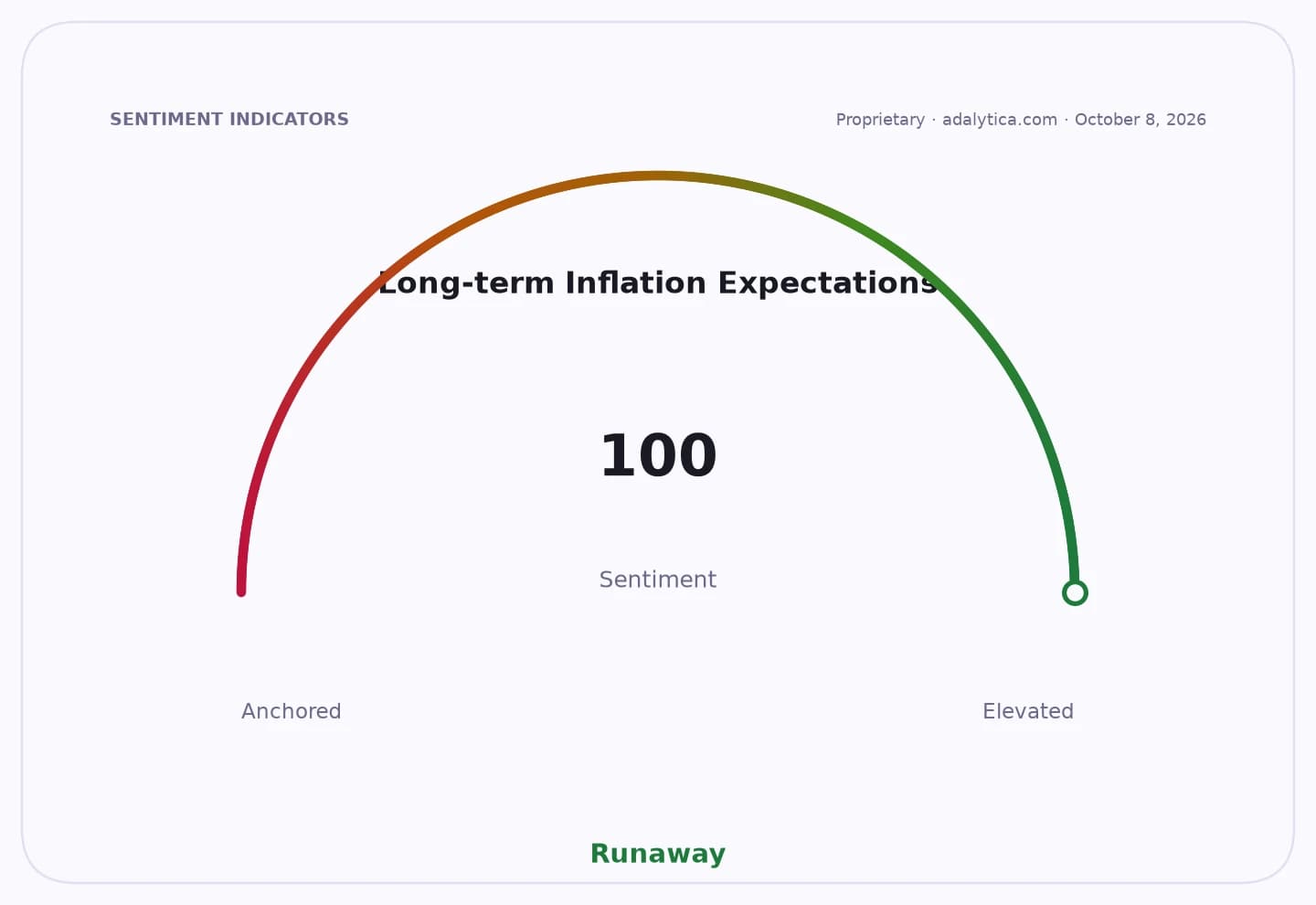
Sentiment Indicators
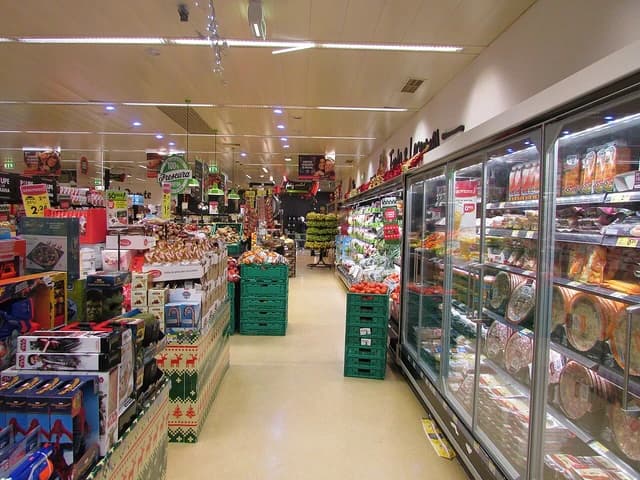
An analysis by Portugal’s finance ministry planning unit, GPEARI, and the economy directorate-general shows the broad consumer price index rose 24.8% over the same period, while processed food climbed 33.7% and non-processed food — including meat, fish, fruit and vegetables — advanced 42.4%. Eggs were the standout, surging 88.9%, while meat rose 51.5%, far above the 27.4% increase in global meat prices tracked by the UN Food and Agriculture Organization.
The gap underscores how domestic food inflation has outpaced the broader economy and, in some categories, international benchmarks. That makes Portugal’s inflation problem less a temporary price shock than a sustained erosion of purchasing power, especially after the pandemic, when supply-chain disruptions, higher energy costs, fertilizer prices and the impact of Russia’s invasion of Ukraine compounded pressure on agricultural inputs.
The latest data suggest some easing. Non-processed food inflation slowed to 3.7% in October from 5.8% at the start of the year, even as headline inflation accelerated to 3.8% from 1.9%, driven more by energy. But the European Central Bank has warned the food relief may prove short-lived as droughts and transport costs keep production and distribution vulnerable.
For investors and policymakers, the risk is that sticky food inflation keeps Portuguese households under strain even if headline CPI stabilizes, reinforcing pressure on wage demands, retail margins and consumer spending. The broader backdrop also matters beyond Portugal: rising global food prices and tighter supply conditions remain a macro risk for Europe and emerging markets alike.
| Entity | Gains | Losses |
|---|---|---|
| Food producers | ▲Higher selling prices | ▼Demand sensitivity from households |
| Retailers | ▲Pass-through pricing power | ▼Margin pressure if volumes weaken |
| Low-income households | ▲Little to no benefit | ▼Biggest hit to real incomes |
| Policymakers/BCE | ▲More urgency for supply monitoring | ▼Harder inflation disinflation path |