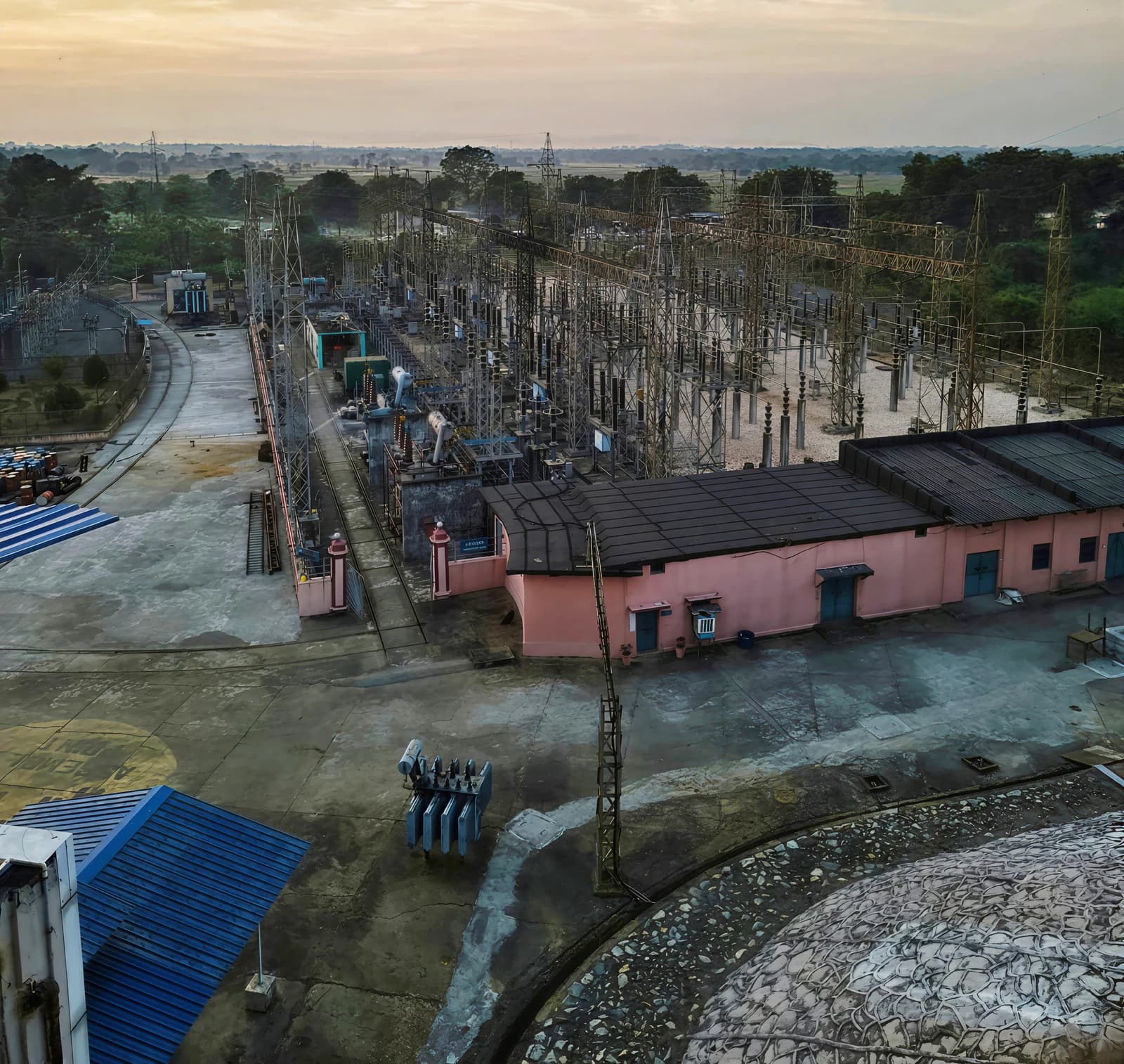
Portugal has declared urgent public utility expropriations for more than 200 parcels needed to connect the planned high-speed rail line between Porto and Lisbon to the existing Northern Line in Canelas, moving a critical piece of the project from paperwork to land access.
Portugal expropriates land for Porto-Lisbon rail link
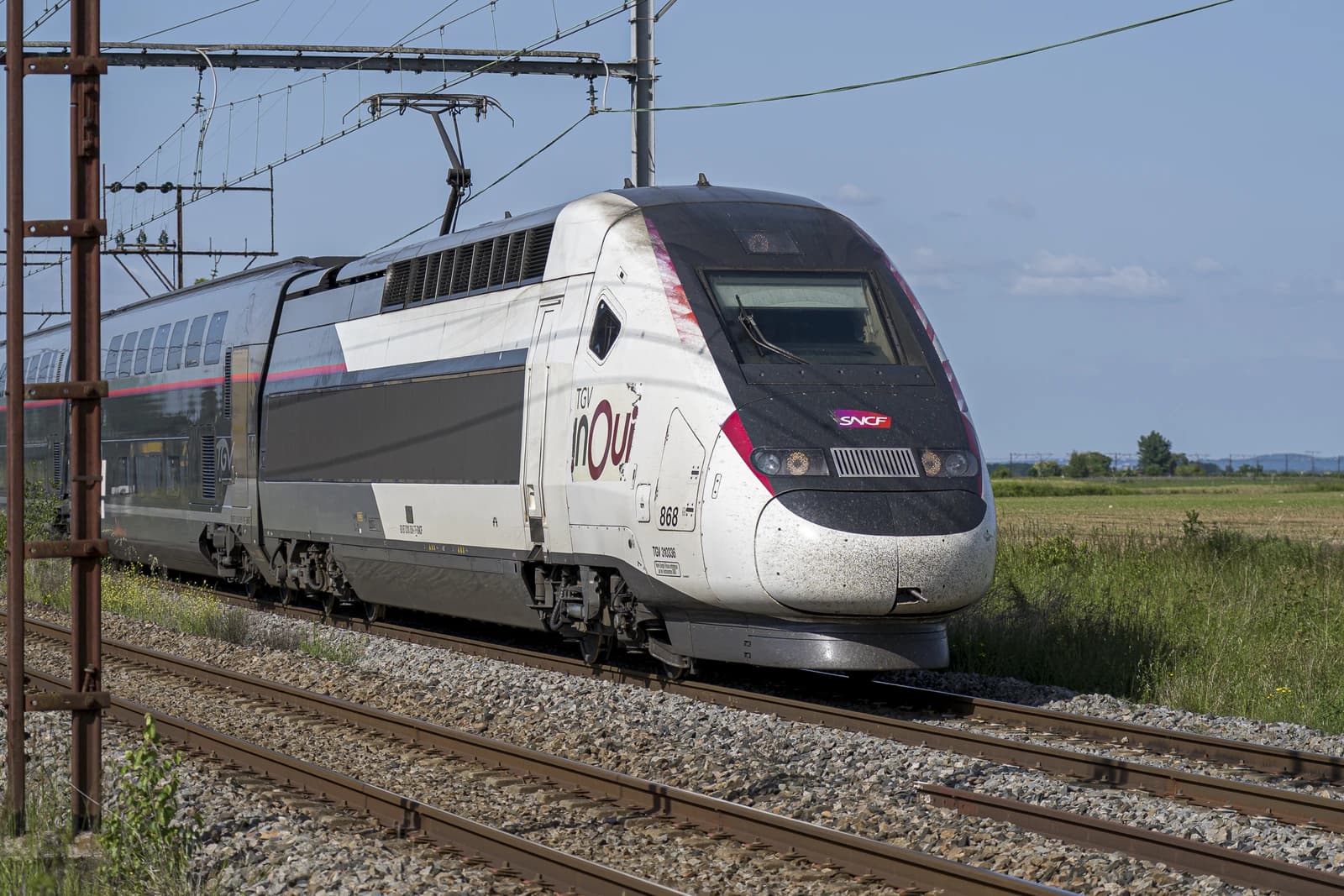
The order, published in the official gazette, covers land in Estarreja and Albergaria-a-Velha in Aveiro district and gives concessionaire AVAN Norte authority to take administrative possession of the properties while it bears the expropriation costs. The parcels span about 12 hectares, and the government said the measure is urgent, a step designed to keep construction timelines intact.
For investors, the decision reduces one of the main execution risks on Portugal’s flagship rail project: land acquisition. The Porto-Oiã section is the first 71-kilometer phase of the Porto–Lisbon high-speed line and is being built by AVAN Norte, the consortium led by Mota-Engil alongside Serena, Teixeira Duarte, Casais, Alves Ribeiro, Conduril and Gabriel Couto.
The broader project matters economically because it is one of the country’s largest transport investments and a key piece of infrastructure for cutting travel times and improving connectivity on the Lisbon-Porto corridor. The first phase is slated for completion in 2030, with the full Porto-Lisbon line targeted for 2032.
The concession contract for the Porto-Oiã stretch was signed on July 29, 2025 and is expected to cost about 2 billion euros, backed by 875 million euros from the European Investment Bank and 480 million euros from the EU’s Connecting Europe Facility. Earlier this month, the government also declared urgent expropriations for 1,076 parcels tied to the same section, underscoring how much of the project still depends on clearing land rights.
Shares in Brookfield Infrastructure Partners, which uses the BIP ticker, have been volatile on broader infrastructure sentiment, with the stock recently trading well above its 50-day and 200-day moving averages and near the upper end of its Bollinger Band range, though those moves are not directly tied to the Portuguese project.
The next market focus will be whether the expropriations allow AVAN Norte to maintain its schedule for preparatory works and full construction rollout, a test of whether Portugal can keep the high-speed rail program on track after years of planning.
| Entity | Gains | Losses |
|---|---|---|
| Government / AVAN Norte | ▲Faster land access | ▼Fewer legal delays |
| Local landowners | ▲Compensation process begins | ▼Property possession risk |
| Construction consortium | ▲Schedule visibility | ▼Expropriation costs |
| Portugal rail project | ▲Construction momentum | ▼Execution uncertainty |