Poland is moving a key section of its Via Carpatia corridor closer to completion, with work on the country’s tallest viaduct now more than 80% finished and the broader 11.6-kilometer Babica-Jawornik stretch on track for a 2027 opening.
Poland Via Carpatia viaduct passes 80% completion
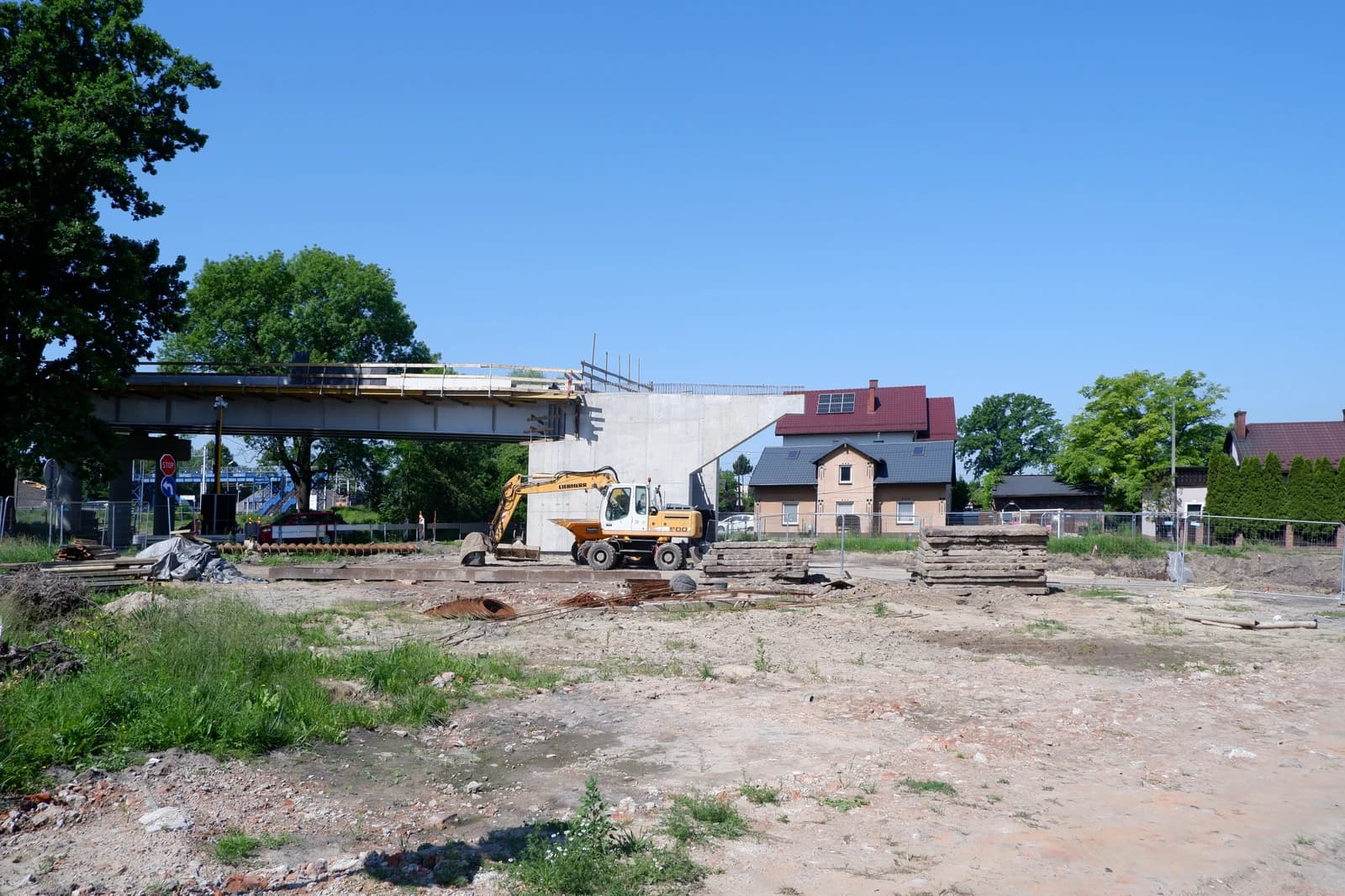
The ES-26 viaduct is not just an engineering showpiece. It is part of a strategic road link meant to connect northern and southern Europe, a route that could improve freight flows, cut travel times and strengthen Poland’s role as a transit hub between the Baltic and the Balkans.
Sentiment Indicators
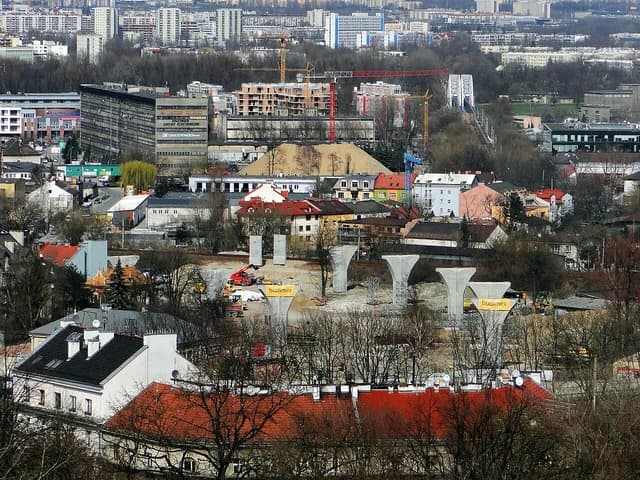
The structure spans 1,082 meters and rises 80 meters at its highest pillars, making it the tallest viaduct in Poland. The project’s scale underscores the complexity of building infrastructure in the hilly Podkarpackie region, where contractors are using a balanced cantilever method rather than conventional ground-supported scaffolding.
The investment also carries a heavy economic footprint. The Babica-Jawornik contract, awarded to Intercor, is worth more than 1.25 billion zlotys, or about 283 million euros, and is backed in part by European Union funding through the FEnIKS program. For the broader Via Carpatia network, the road has already absorbed billions of zlotys in public and EU capital, reflecting how Brussels and Warsaw view transport links as a tool for regional cohesion and supply-chain resilience.
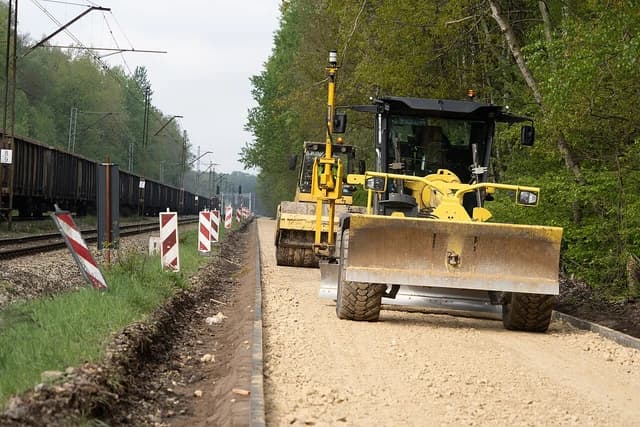
For investors, the project matters because it supports demand across Poland’s construction, materials and infrastructure supply chains, while also reinforcing the long-run case for EU-funded road building across Central and Eastern Europe. The scale of the viaduct alone — 51,800 cubic meters of concrete and 9,250 tons of steel for the pillars — points to continued work for contractors, suppliers and heavy construction equipment makers.
Prime Minister Donald Tusk has promoted the project online, underscoring its political value as well as its economic one. With bridge works already above 90% on the route and road works nearing 70%, the next catalyst is execution: whether the second viaduct and remaining road sections can stay on schedule ahead of the 2027 target.
| Entity | Gains | Losses |
|---|---|---|
| Intercor | ▲Major construction revenue | ▼Execution and deadline risk |
| EU-funded infrastructure sector | ▲More project spending | ▼Budget pressure |
| Polish logistics and freight operators | ▲Faster north-south routes | ▼Delay if works slip |
| Competing road corridors | ▲Less strategic relevance | ▼Traffic diversion risk |