Poland’s inflation story is shifting from a wage-price spiral to a more manageable disinflation path, and that matters because it leaves the National Bank of Poland with room to stay patient on rates even as global currency pressure tightens financial conditions.
Poland inflation eases as NBP stays patient
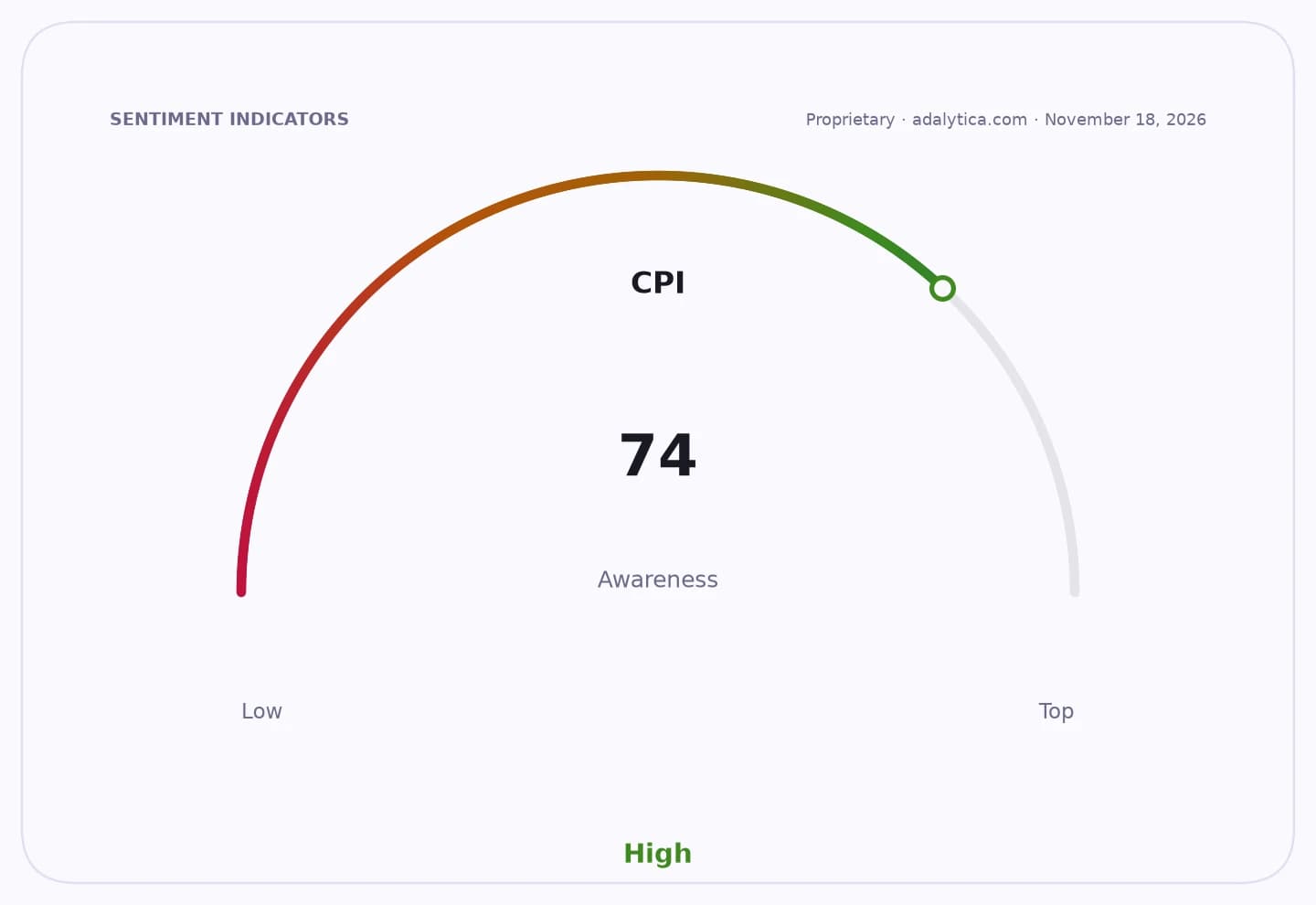
CPI
Dawid Pachucki, chief economist at PZU, said there are no signs yet of second-round effects in Polish inflation, a sign that firms and workers are not feeding a fresh wage surge into prices. That is the key macro point investors should care about: without entrenched domestic price pressure, headline inflation can keep easing without forcing the central bank into a renewed tightening cycle.
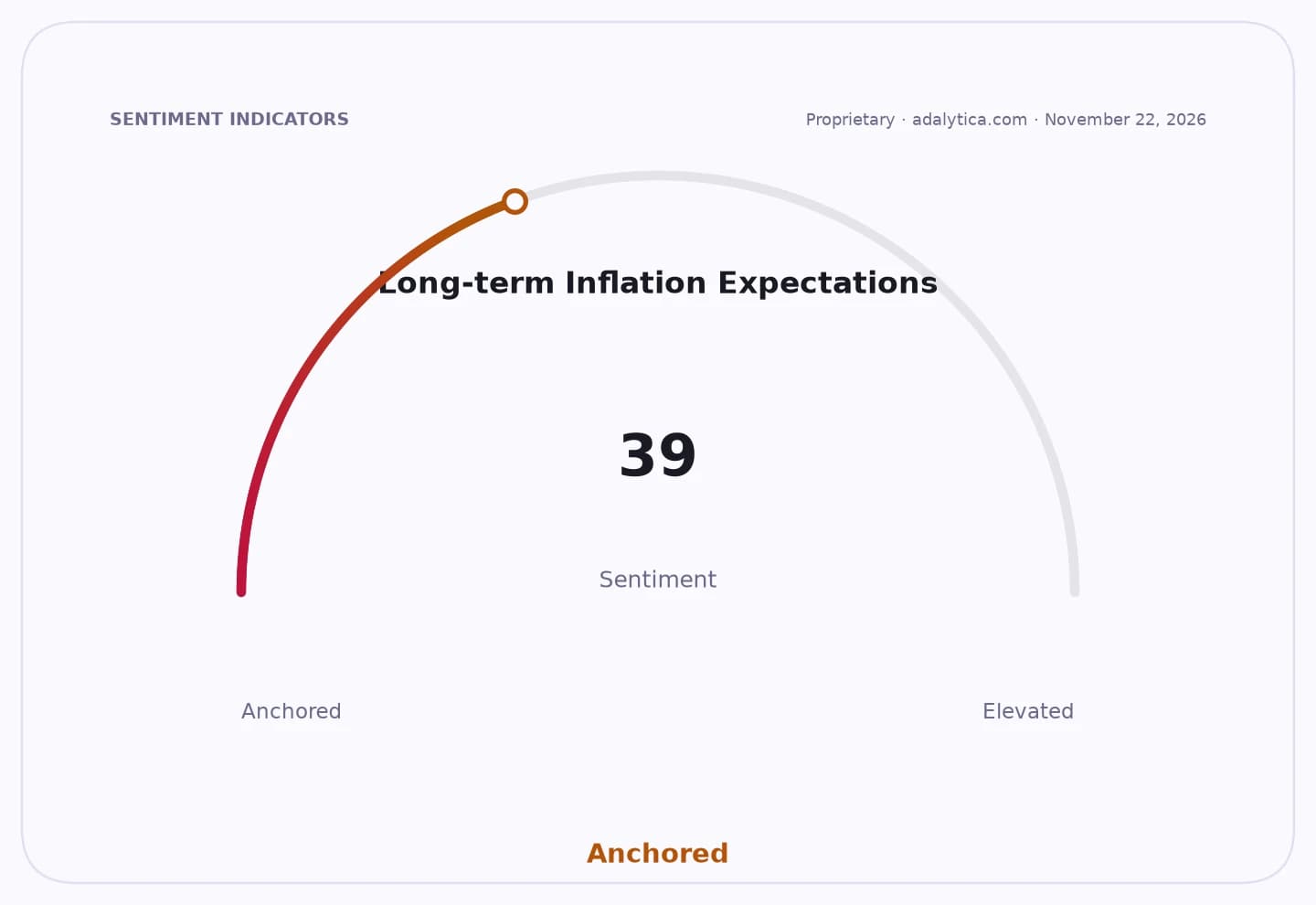
Sentiment Indicators
The immediate market implication is for rates, bonds and the zloty. If inflation remains contained, Polish real yields become more attractive relative to peers, but Pachucki warned that dollar strength is likely to persist in the near term, limiting room for the zloty to appreciate. In a market already leaning defensive — with the S&P 500 under pressure and risk appetite fragile — that combination tends to favor higher-quality sovereign debt and exporters over borrowers dependent on cheap foreign funding.
Pachucki also expects next week’s Polish data to show a modest recovery in construction and stronger retail sales than in September, a small but useful reminder that the economy is not stalling. That mix — softer inflation, better domestic activity — is the sweet spot for equities exposed to household demand, while reducing the odds that policymakers will need to choke off growth with higher rates.
For investors, the bigger message is that inflation risks are becoming more local and less self-reinforcing. If the absence of second-round effects holds, Poland could avoid the kind of sticky, wage-led inflation that forces prolonged policy tightening and punishes domestic cyclicals. The trade here is not for a dramatic re-rating overnight, but for selective positioning in Polish assets that benefit from steadier policy and improving consumption, while staying cautious on the currency until the dollar turns.
| Entity | Gains | Losses |
|---|---|---|
| Polish consumers | ▲Real incomes stabilize | ▼Less pricing power in wages |
| PZU and domestic economists | ▲Credibility on disinflation thesis | ▼Less urgency for hawkish policy calls |
| Polish exporters | ▲Weaker zloty supports revenue | ▼Stronger dollar raises funding costs |
| Zloty bulls | ▲Better inflation backdrop | ▼Global dollar strength caps upside |