Poland is preparing a sweeping overhaul of its district-heating system that would move millions of households away from coal and toward gas, a change that could reshape the country’s energy mix, support infrastructure spending and alter demand in Europe’s gas market.
Poland plans coal-to-gas heating overhaul

The government plans to launch a broad modernization program for smaller heating plants next year, with the goal of phasing out coal in favor of gas in communities outside the biggest cities. Energy Minister Miłosz Motyka confirmed the push, and the scale is striking: the reform is expected to touch the heating systems used by about 15 million people and require as much as 231 billion zlotys, or about $60 billion, in investment.
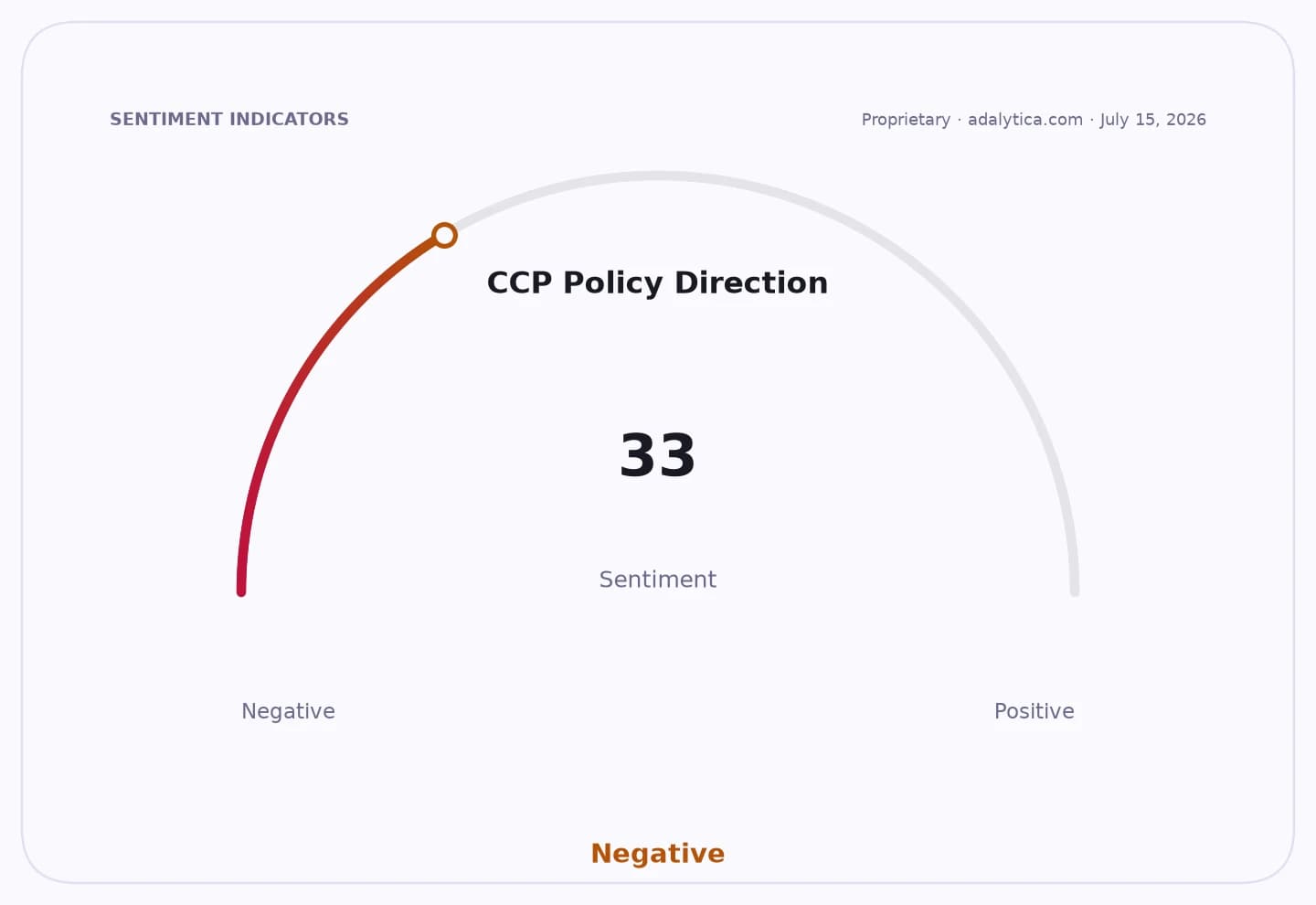
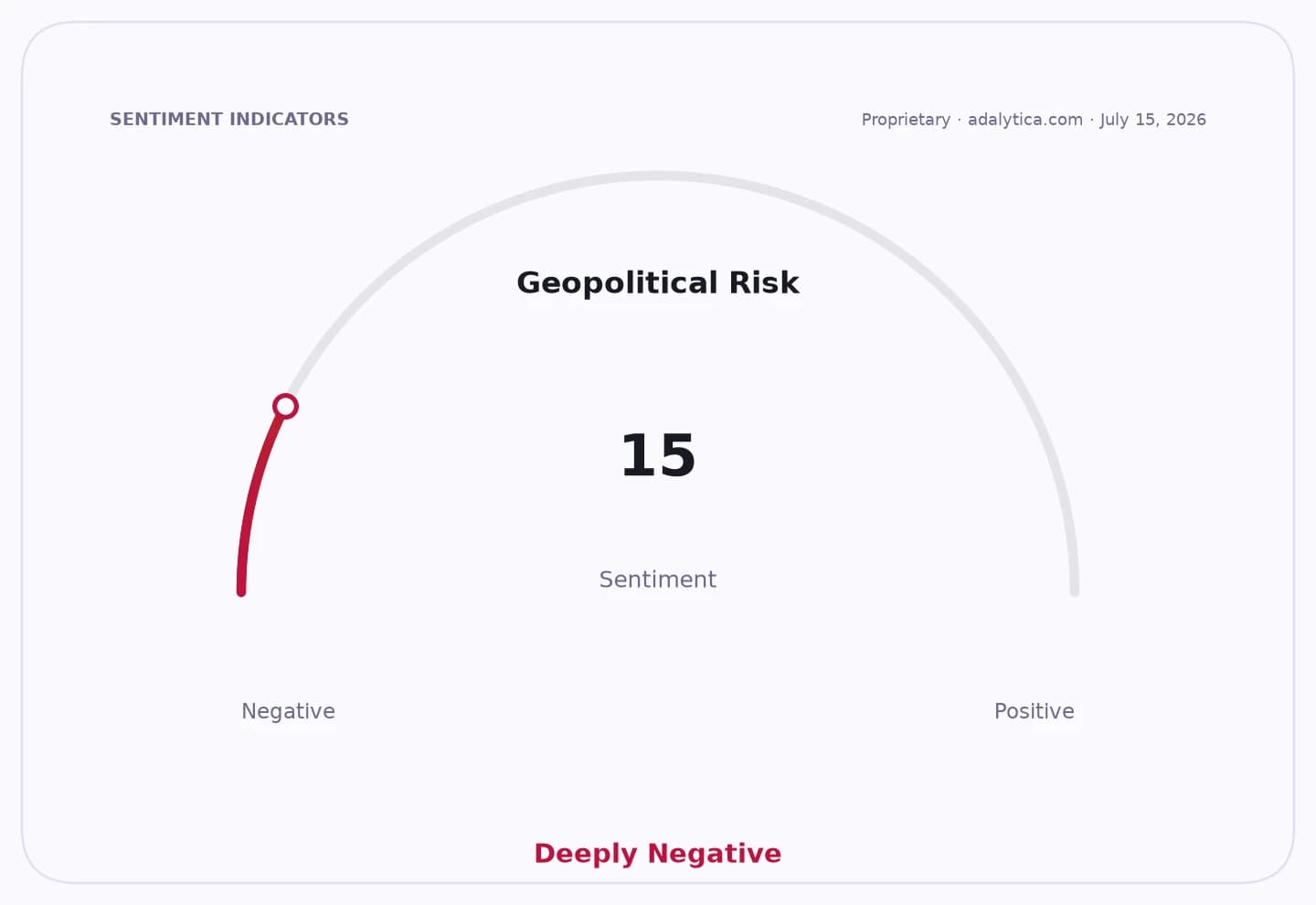
Sentiment IndicatorsⓘProprietary · adalytica.com · September 23, 2026
This is a snapshot — live sentiment, awareness and momentum for 130+ markets update continuously in the dashboard.Open AlphaPulse
For Poland, the economics are simple enough. Heating remains one of the country’s most important and politically sensitive energy costs, especially in smaller towns that are more exposed to sudden price spikes and have less room to absorb disruption. A switch from coal to gas will not solve every affordability problem, but it can help modernize aging plants, improve efficiency and reduce the country’s dependence on the dirtiest fuel in the system.
That is why investors should pay attention. This is not just a local infrastructure program; it is a demand story for utilities, gas suppliers, pipeline operators and contractors. The more Poland replaces coal-fired heat with gas-fired systems, the more it ties its long-term heating market to natural-gas availability, storage and transport. In a region where winter supply security still matters, that makes Poland a more important player than its size might suggest.
The timing also matters. Poland has been moving to secure its energy system after years of dependence on Russian fuel, while Europe as a whole remains wary of winter gas balances. News that Poland’s underground storage is nearly full has eased some of those concerns, and a larger gas-heating buildout would reinforce the country’s role as a potential regional gas hub. For producers and midstream companies, that is a constructive backdrop.
There is also a clear industrial angle. Modernizing small heating plants means steel, engineering, equipment and construction spending, which should ripple through local economies. The government is casting the plan as a way to support smaller communities and protect them from energy shocks, but the political logic is just as obvious: visible projects, local jobs and lower heating costs are powerful messages ahead of an election year.
Still, investors should keep one eye on the risks. Gas is cleaner than coal, but it is still a fossil fuel, so Poland’s transition path will likely face scrutiny from climate-focused policymakers and from Brussels over the pace of decarbonization. The scale of spending also means execution risk is real. Large public programs can be delayed, politicized or distorted by where projects are placed and who wins the contracts.
Even so, the direction is clear. Poland is not just retiring coal in theory; it is setting up a long-running replacement cycle that could keep capital flowing for years. For long-term investors, that makes the country’s heating overhaul worth watching as a potentially durable boost for gas infrastructure and energy-related equities tied to the transition.
| Entity | Gains | Losses |
|---|---|---|
| Polish gas suppliers | ▲Higher heating demand | ▼Coal heat decline |
| Heating plant contractors | ▲Modernization contracts | ▼Old coal systems |
| Households in smaller towns | ▲More efficient heat | ▼Fuel-switch disruption |
| Coal-linked utilities | ▲— | ▼Lower long-term demand |